
Last updated November 16, 2026
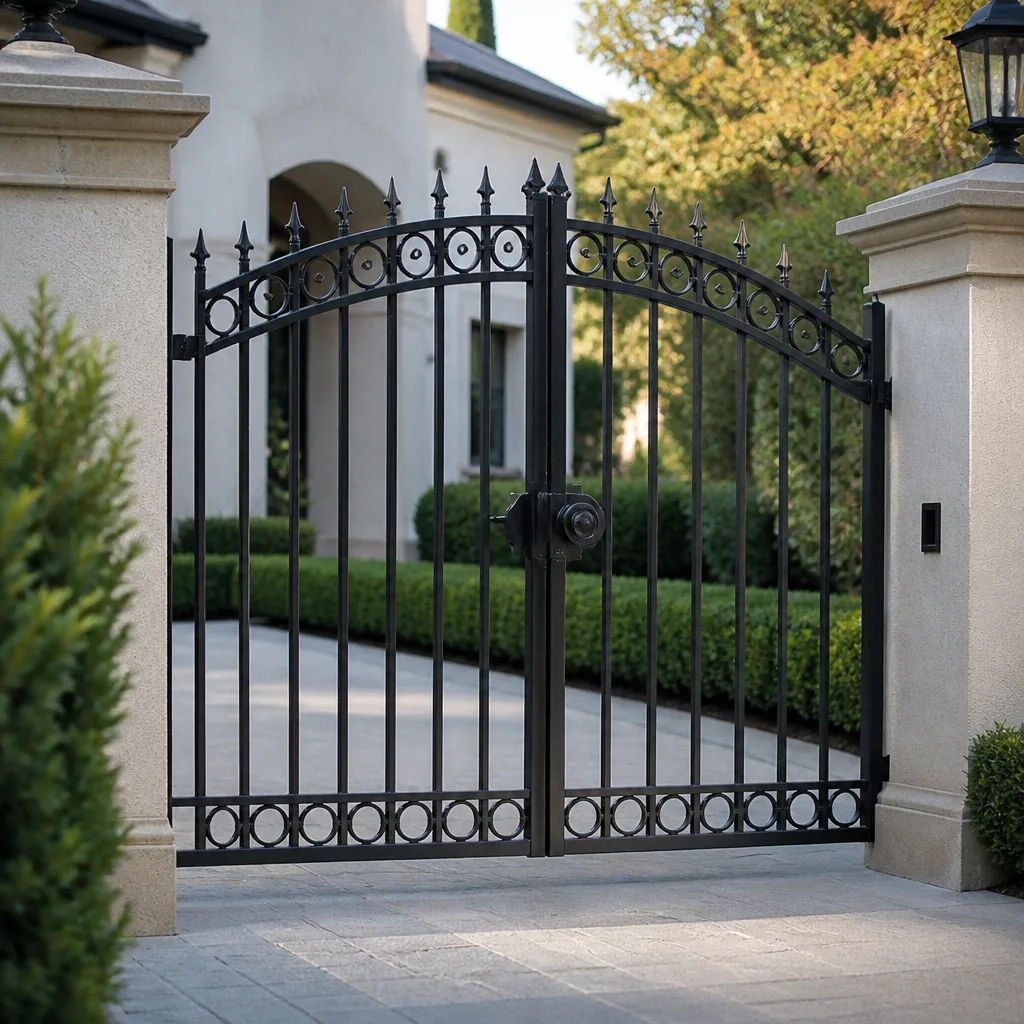 Wrought iron
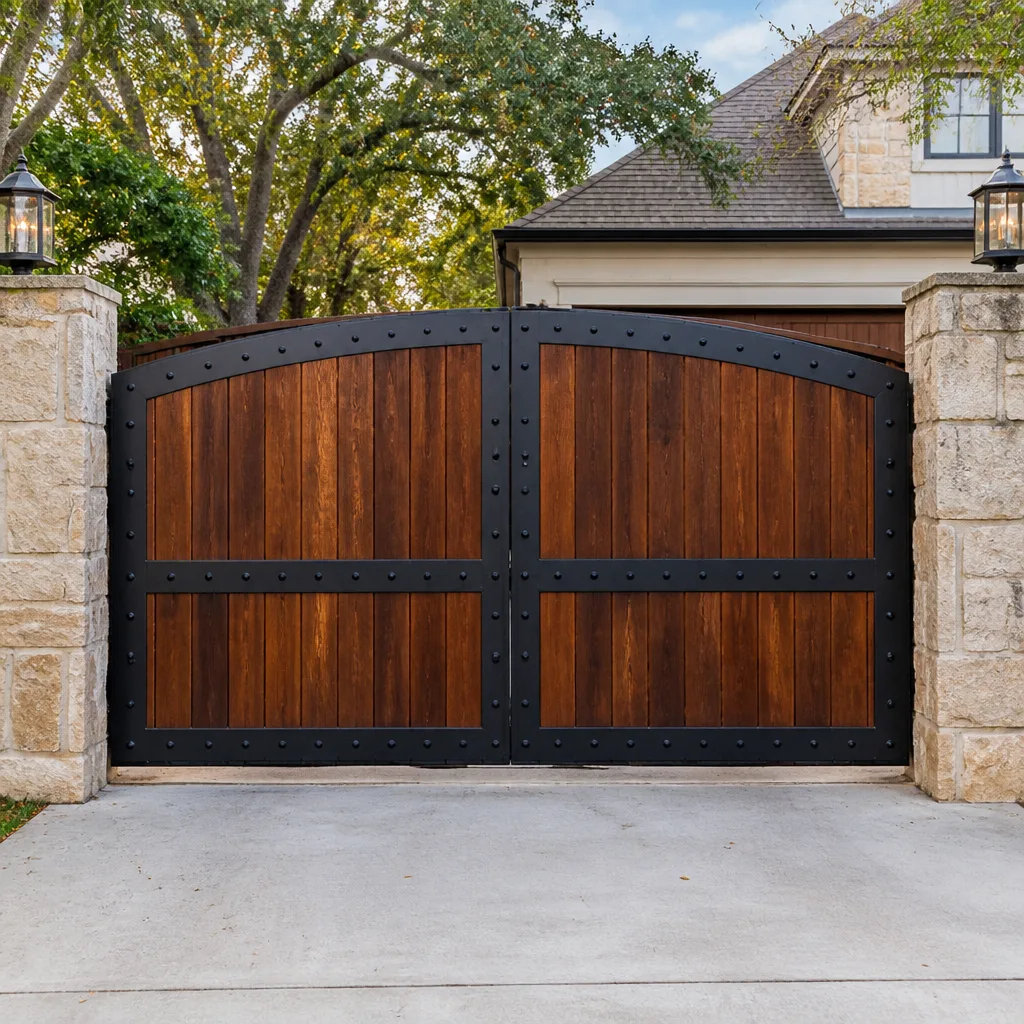 Wood & steel frame
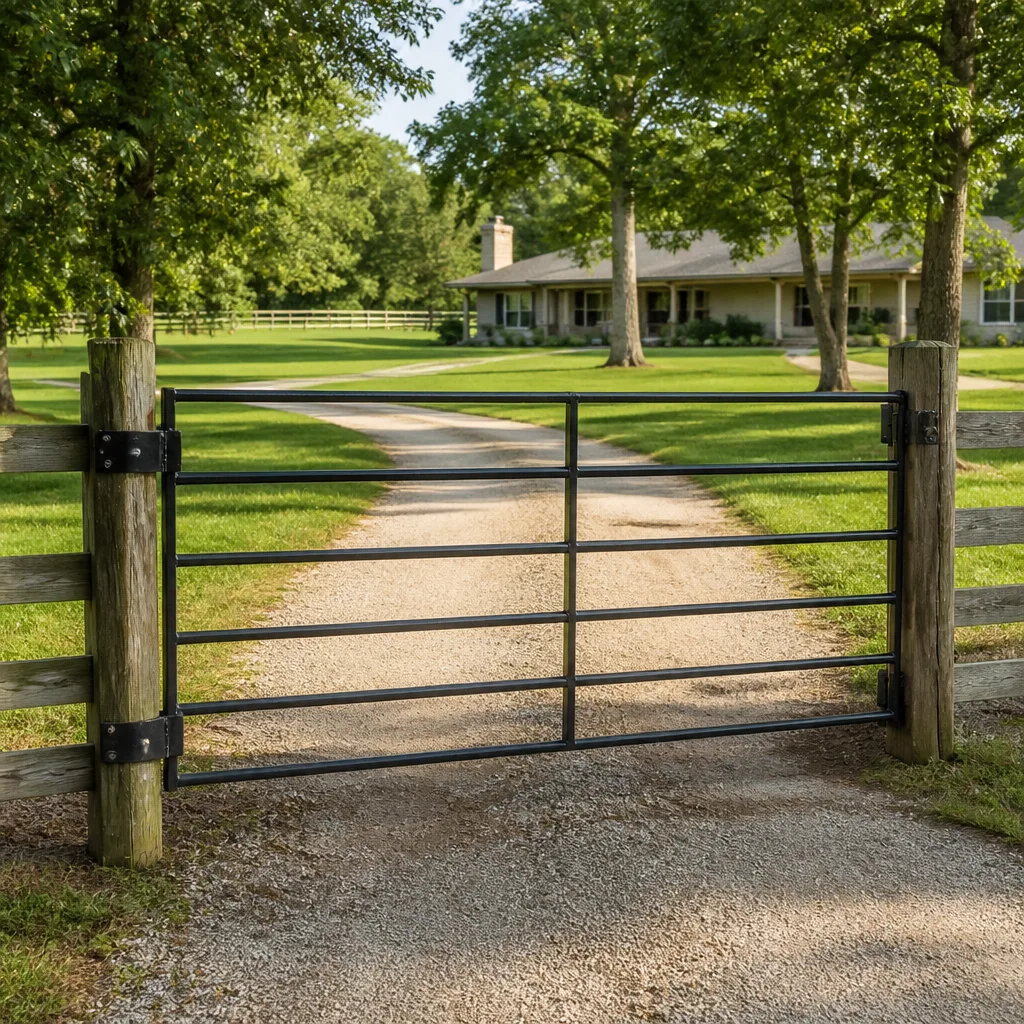 Farm & ranch
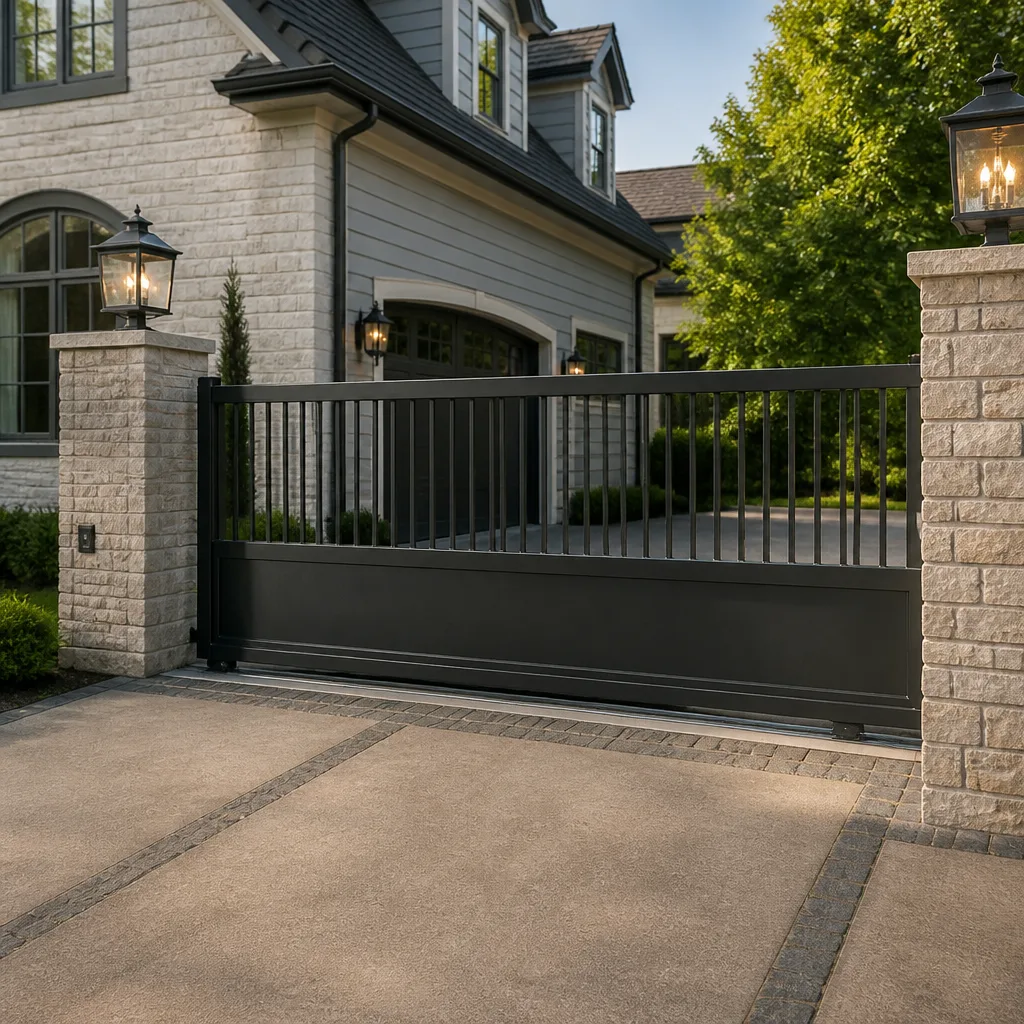 Sliding driveway gates
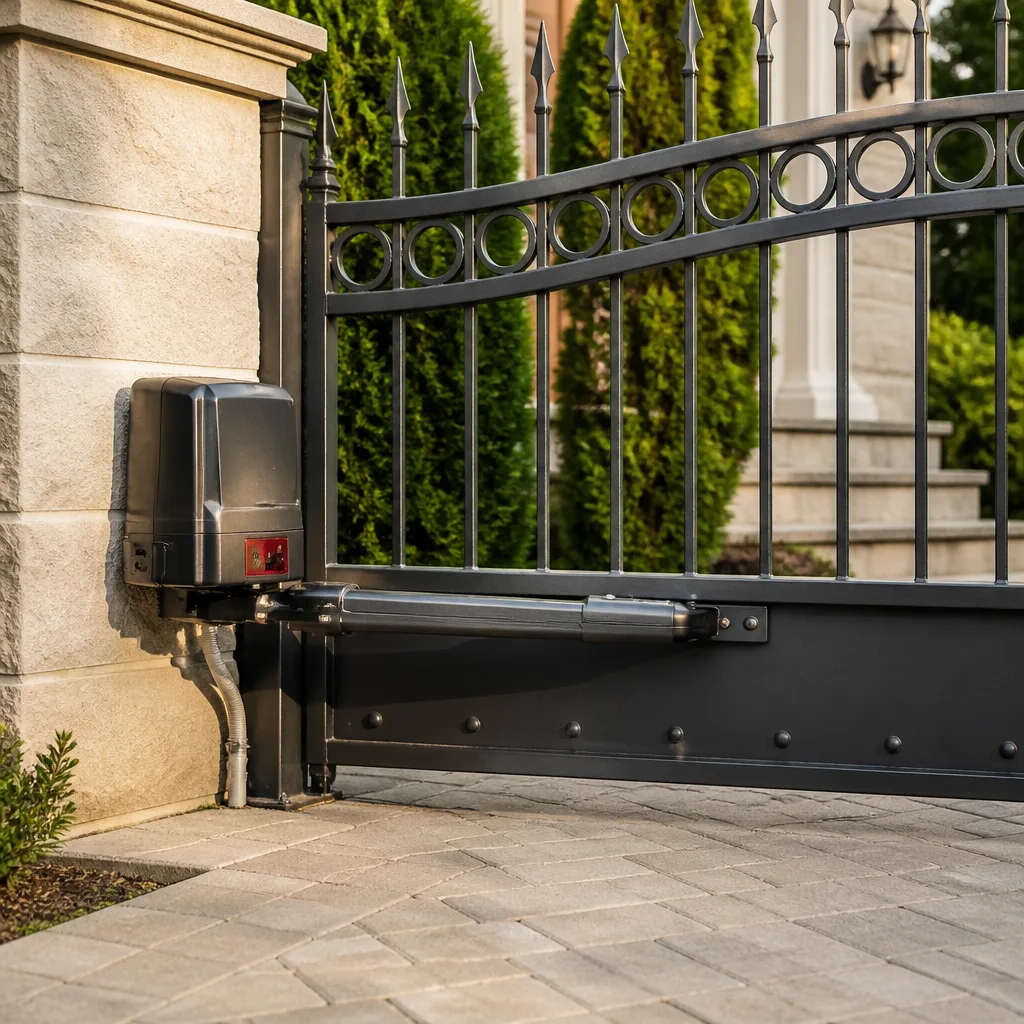 LiftMaster operators
Free on-site gate assessment - hinges, posts, and your LiftMaster or Nice gate operator checked before anything is quoted
The assessment is free and the quote is the invoice.
Get your free estimateChoosing the Right Gate Repair Brand: A Buyer’s Guide for Everett
Most buyers assume a gate operator is an operator, and the only real question is which one costs less up front. That assumption is where a lot of trouble begins. The brand you choose decides how fast a part arrives when your gate quits, how many local pros actually know the control board inside it, and how well the housing survives a long wet season. A model that’s brilliantly supported in Phoenix or Dallas may sit waiting on a shipped board for two weeks in Snohomish County. This guide walks you through brand strengths, duty cycles, climate fit, and the real five-to-ten-year cost of ownership, so you can pick with your eyes open here in Everett.
Quick Answer
For most Everett homeowners, a well-supported residential operator from a brand with regional parts access is the right call, while multi-tenant and high-traffic entrances need a commercial-duty unit even though the price stings. Match the operator’s duty cycle to how often the gate actually cycles, confirm parts can reach Snohomish County quickly, and weigh the five-to-ten-year cost of repairs and control-board support over the sticker price. Brands like LiftMaster, FAAC, BFT, Viking, and Mighty Mule each fit different jobs, and the fit matters more than the badge.
Styles & brands we work with
- Wrought iron
- Wood & steel frame
- Farm & ranch
- Sliding driveway gates
- LiftMaster operators
Table of Contents
- Why the Brand Matters More Than the Price Tag
- A Brand-by-Brand Look for Everett Properties
- Parts and Service Support in Snohomish County
- How Operators Hold Up in Everett’s Wet Climate
- Matching Duty Cycle to Real Gate Usage
- Total Cost of Ownership Over Five to Ten Years
- Residential Driveway Versus Commercial Entrance
- Five Steps to Choosing the Right Brand
Why the Brand Matters More Than the Price Tag
When a gate stops opening, the failure itself is rarely the biggest problem. The bigger issue is whether anyone can get the right part and the right know-how to it in a reasonable stretch of time. Every brand carries its own failure patterns, its own control-board quirks, and its own supply path into the Pacific Northwest. A technician who has worked the same family of operators for years will recognize a symptom from the sound of the motor or the pattern of the fault light, which shortens diagnosis and cuts down on return visits.
This is why we lead with brand fluency rather than a sales pitch. We work on the brand you already own. Whether your driveway operator is a budget-friendly Mighty Mule or a commercial BFT actuator, the diagnostic path is specific to that unit, not a generic guess. That specificity is what separates a focused gate repair call from a general handyman who happens to touch gates now and then.
There’s a second layer that homeowners discover only after installation: the software and access-control side. Older operators can be solid mechanically but impossible to integrate with modern keypads, intercoms, or remote management. Choosing a brand with a clear update path protects you from a system that works one day and can’t be serviced the next.
In Everett, this matters because the local climate pushes operators hard. A gate that cycles dozens of times a day through a long rain season will expose weak housings, marginal board protection, and undersized motors far sooner than the same unit in a drier place. The brand decision and the climate decision are really the same decision.
A Brand-by-Brand Look for Everett Properties
No single brand wins on every count. What follows is how the major names tend to sort out for real jobs around Everett, along with their honest trade-offs. These are broad patterns from the field, not a ranking, and the right pick still depends on your gate’s weight, cycle count, and access needs.
Mighty Mule is the familiar entry point for residential driveways. It’s straightforward, widely available, and a reasonable fit for a light-use home gate. Its weakness shows up under heavy cycling: residential-rated components wear faster when a gate runs more often than a typical driveway, and the control electronics are less forgiving in a high-moisture setting unless the enclosure is well protected.
LiftMaster covers the residential-to-light-commercial middle ground well. It’s a common system, parts are broadly available, and access-control add-ons are plentiful. For a homeowner who wants room to grow into keypads and smartphone control, it’s a solid anchor. On large heavy gates or busy entrances, though, you have to pick the commercial-grade model rather than the residential one.
FAAC and BFT are the names that come up for commercial and high-cycle gates. They’re built to run often and hold up, and they’re the right choice when a gate opens dozens of times an hour. The trade-off is that they’re more specialized; not every local tech knows them, which is why brand-fluent service matters. When a control board or actuator needs attention, working with someone who knows the platform saves guesswork.
Viking Access is a strong fit for commercial multi-tenant entrances, where you need reliable slide or swing operation and consistent access control. Linear and Ghost Controls round out the residential and light-commercial options, each with its own following and its own parts picture. A property manager in Everett running an HOA entrance should weigh Viking or a comparable commercial platform; a single-family driveway usually doesn’t need that ceiling.
Parts and Service Support in Snohomish County
Here’s the part buyers rarely price in until something breaks: how long it takes a replacement part to reach your gate. A brand can be excellent and still be a headache if its components have to ship from a distant distribution center with no regional dealer support. When a motor or control board fails, the wait can turn a simple fix into a stalled entrance for days or weeks.
The practical rule is to favor operators that have real support density in the Pacific Northwest. Some brands maintain regional dealer and parts networks, which means standard components arrive quickly. Others rely on shipping from out-of-state warehouses, so even common parts carry a lead time that’s easy to underestimate.
- Check the supply path before you commit. Ask how fast a replacement control board or motor would reach Snohomish County.
- Weigh common versus rare parts. High-volume residential brands usually have more readily available components; specialized commercial units can be worth the wait if the duty cycle demands them.
- Consider who can service it. A brand that few local pros know means longer searches when you need help.
- Don’t overlook access-control parts. Keypads, receivers, and intercom modules can carry their own lead times.
This is a big reason a genuinely local perspective helps. When you’re choosing a brand in Everett, the question isn’t only “is this a good operator?” It’s “is this a good operator that can be kept running here?” Our Gate Repair Everett team sees the difference constantly, because parts lead time is a repair decision, not just a purchasing one.
How Operators Hold Up in Everett’s Wet Climate
Everett’s long rain season is the quiet stress test that shapes which operators last. Moisture finds its way into housings, control enclosures, and exposed wiring, and it attacks the weakest seam first. Moderate temperatures help, since you’re not fighting deep cold, but consistent damp is relentless. That makes the operator’s housing design, board protection, and sealing quality just as important as its motor specs.
Look at how a unit guards its control board. A well-sealed enclosure, drainage that lets water escape rather than pool, and quality gaskets all extend life in a wet setting. Cheap housing and marginal sealing invite corrosion on terminals and board failures that look mysterious until you see the moisture inside.
- Housing and sealing: water-resistant enclosures matter more than a spec sheet suggests.
- Board protection: conformal coatings and good gasketing on the control board keep dampness from shorting electronics.
- Motor spec: a properly sized motor runs cooler and copes better with the extra resistance a damp, slightly binding gate can create.
- Mounting and drainage: how the housing sits relative to the ground decides whether water drains away or collects.
A residential operator rated for dry, light use can struggle when it’s wet and working hard. For Everett properties, it’s worth choosing a unit whose enclosure and electronics are built with moisture in mind, not just one that meets the basic residential spec. That single choice heads off a lot of premature board replacements.
Matching Duty Cycle to Real Gate Usage
The most common failure we see isn’t a defective brand. It’s a residential-rated operator installed on a gate that cycles far more than once in a while. Duty cycle is simply how hard an operator can work before it needs to rest, and when you exceed it, the unit overheats, wears early, and quits long before it should. A multi-tenant entrance with dozens of daily cycles will burn through a driveway-grade operator.
Before choosing a brand, count how often the gate actually opens. A single-family driveway might cycle a handful of times on a busy day. A small commercial lot, an apartment entrance, or an HOA access point can cycle far more, and that changes everything about which platform makes sense.
- Estimate your real cycle count. Rough out daily openings, including delivery and visitor traffic, not just residents.
- Read the duty rating. Match the operator’s rated capacity to that count with headroom to spare.
- Weigh gate size and weight. Heavier and longer gates demand more torque and a sturdier platform.
- Choose the platform that fits the job. Residential brands for driveways; commercial platforms like FAAC, BFT, or Viking for high-cycle entrances.
- Plan for growth. If traffic may rise, pick an operator with room to handle it rather than replacing later.
Getting duty cycle right is the single biggest lever on longevity. An operator working well within its rating last for years; the same brand pushed past its rating fails early. That’s true whether you’re on a quiet residential street in Everett or managing a busy entrance nearby.
Total Cost of Ownership Over Five to Ten Years
Sticker price is a small part of what a gate operator costs you. The number that matters is the total across five to ten years: the unit itself, installation, repair frequency, parts cost, and whether the software and access control stay serviceable. A cheaper operator that needs a board every couple of years can cost more than a pricier unit that simply runs.
- Up-front cost: the operator and installation. Real, but only the first line.
- Repair frequency: how often the brand’s common failure points show up under your cycle count.
- Parts cost and availability: what replacements run and how long they take to arrive in Snohomish County.
- Access-control and software path: whether you can add or update keypads, remotes, and intercoms as needs change.
- Downtime cost: an entrance out of service has a real operational price, especially for commercial properties.
The brands that win on total cost are usually the ones that match the job: a residential brand on a driveway, a commercial platform on a busy entrance, both with parts that reach this region promptly. A premium commercial unit that runs reliably for a decade often beats a budget unit replaced twice. Over the life of the gate, the brand decision is a cost decision.
Residential Driveway Versus Commercial Entrance
The right answer for a home gate and the right answer for a multi-tenant entrance are genuinely different, and confusing the two is where budgets go wrong. A residential driveway on a quiet Everett street has modest needs: reliability, decent weather protection, and room for a keypad or remote. Brands like Mighty Mule, Ghost Controls, and LiftMaster’s residential line fit comfortably.
A commercial or HOA entrance plays a different game. Cycle counts climb, access control gets more complex, and downtime gets expensive. Here you’re looking at commercial-duty platforms like FAAC, BFT, or Viking, with control hardware built for frequent use and integrating with the wider access system. A residential operator on this kind of gate is a false economy; it’ll overheat and wear early.
If your needs may shift, plan around the change now. A homeowner who might rent out a unit, or an HOA weighing rising traffic, should choose a platform with the headroom to handle it. This is where a focused gate specialist earns its keep, because the fit depends on specifics a generalist tends to gloss over.
Five Steps to Choosing the Right Brand
Choose in a sensible order and the brand question largely answers itself. This is the sequence we’d walk a property owner through in Everett when the goal is a gate that stays working, not just one that looks good on the quote.
- Measure the gate and count the cycles. Note size, weight, and how often it opens on a real busy day. These set the floor for any operator.
- Decide residential or commercial platform. If cycles are high or access control is complex, you’re in commercial territory.
- Confirm parts and support in Snohomish County. Ask how quickly a control board or motor would reach you, and who can service the brand.
- Check the climate build. In Everett, favor strong housing, board protection, and proper sealing for the wet season.
- Weigh the five-to-ten-year total, not the sticker. Add repair frequency, parts cost, and the access-control update path to the up-front price.
Run those five steps and you’ll usually land on a short list of two or three brands that genuinely fit, then pick on details. When it’s time to diagnose an existing unit, the same order applies. If you’re weighing a fix against a replacement, our electric gate repair work is built around that honest call. And if you’re new to the area, getting to know Everett and its housing stock makes the cycle-count estimates far more realistic.
Common Mistakes to Avoid
- Buying on sticker price alone. The cheapest operator often costs the most over five to ten years once parts and repairs pile up. Weigh the full cost.
- Putting a residential unit on a high-traffic gate. A driveway-rated operator on a multi-tenant entrance overheats and fails early. Match duty cycle to real usage.
- Ignoring local parts lead time. A brand with no regional support can leave you waiting weeks for a control board during Everett’s busy season. Confirm the supply path first.
- Skipping the climate check. In a long wet season, weak housing and poor board sealing invite corrosion and electronic failures sooner than you’d expect.
- Assuming a repair always means a replacement. Many failures are a motor, board, sensor, or access-control issue that a brand-fluent technician can fix without a new unit.
- Forgetting the software and access-control path. An operator that can’t integrate with modern keypads or intercoms can become a dead end.
- Choosing a generalist who “also does gates.” A focused gate specialist knows the failure patterns brand by brand, which shortens diagnosis and cuts return visits.
See the difference
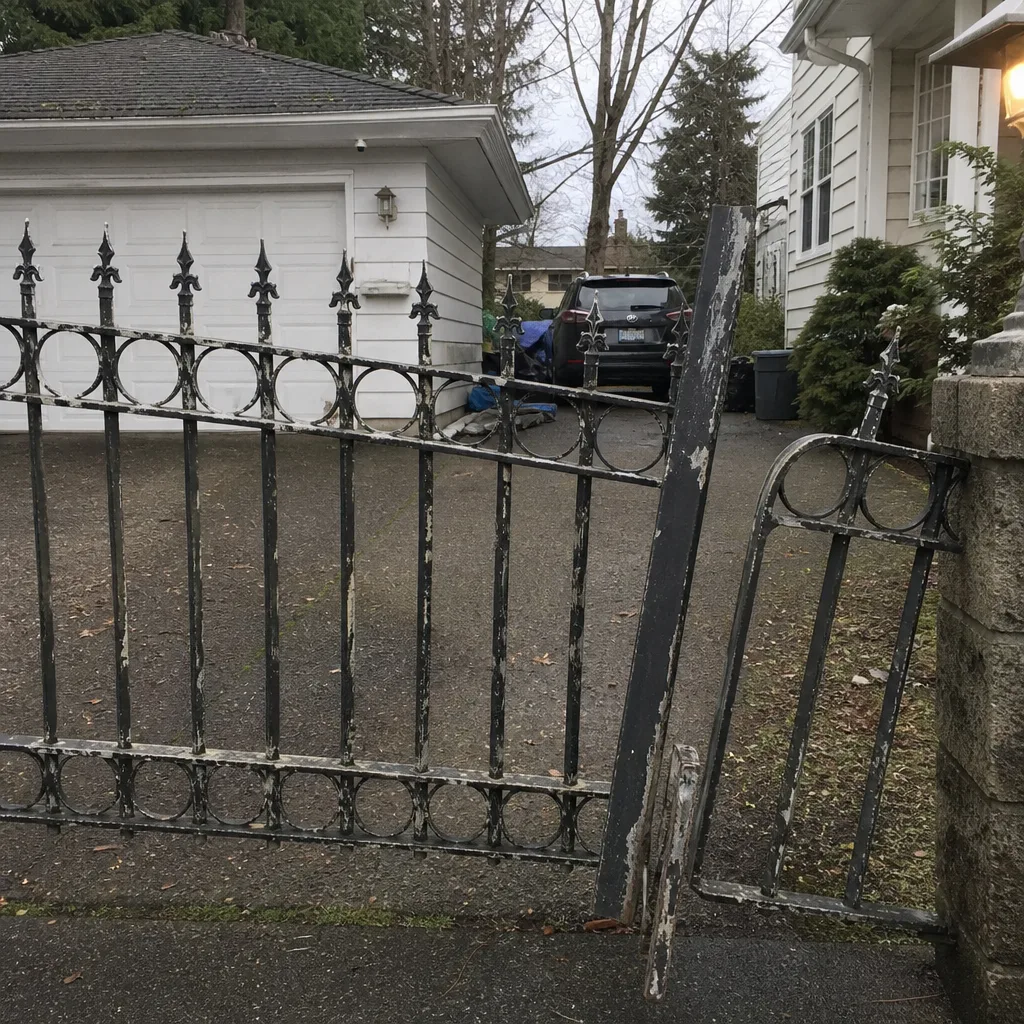 Before
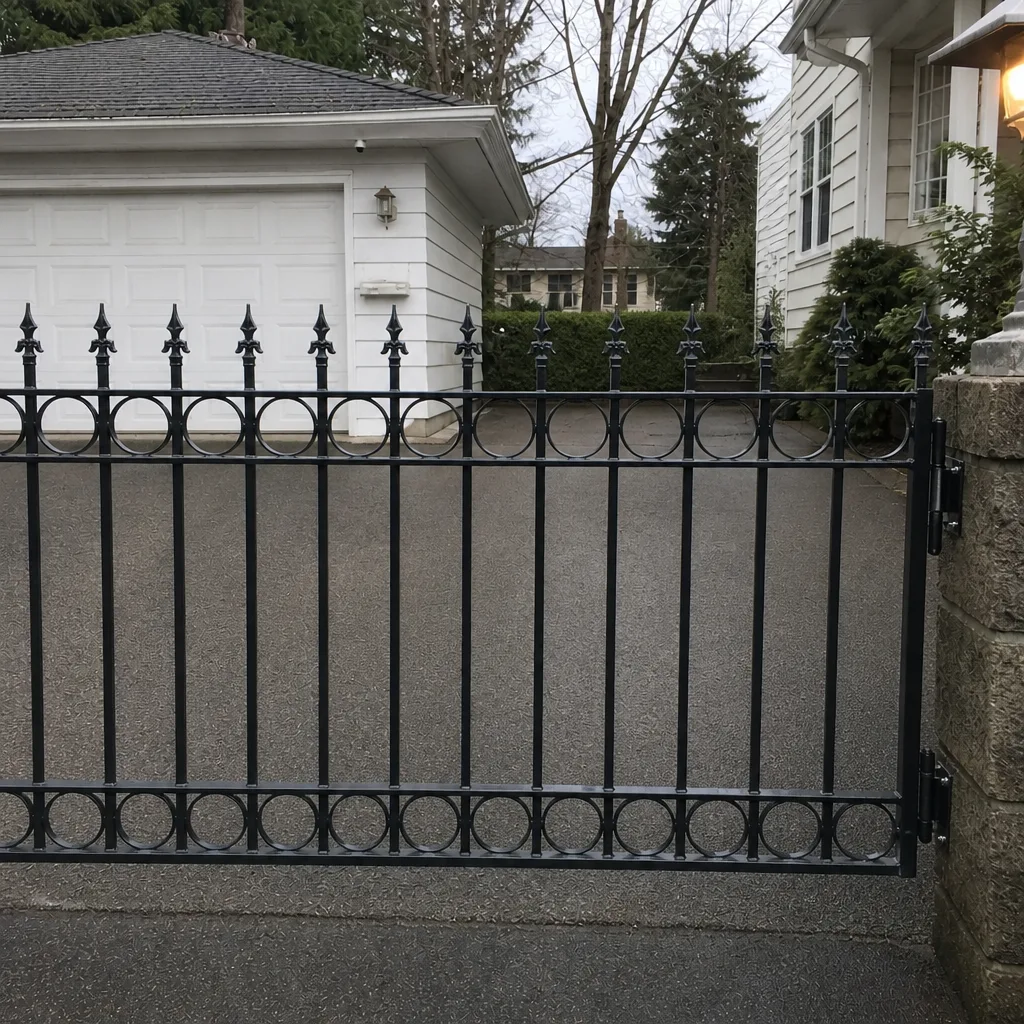 After
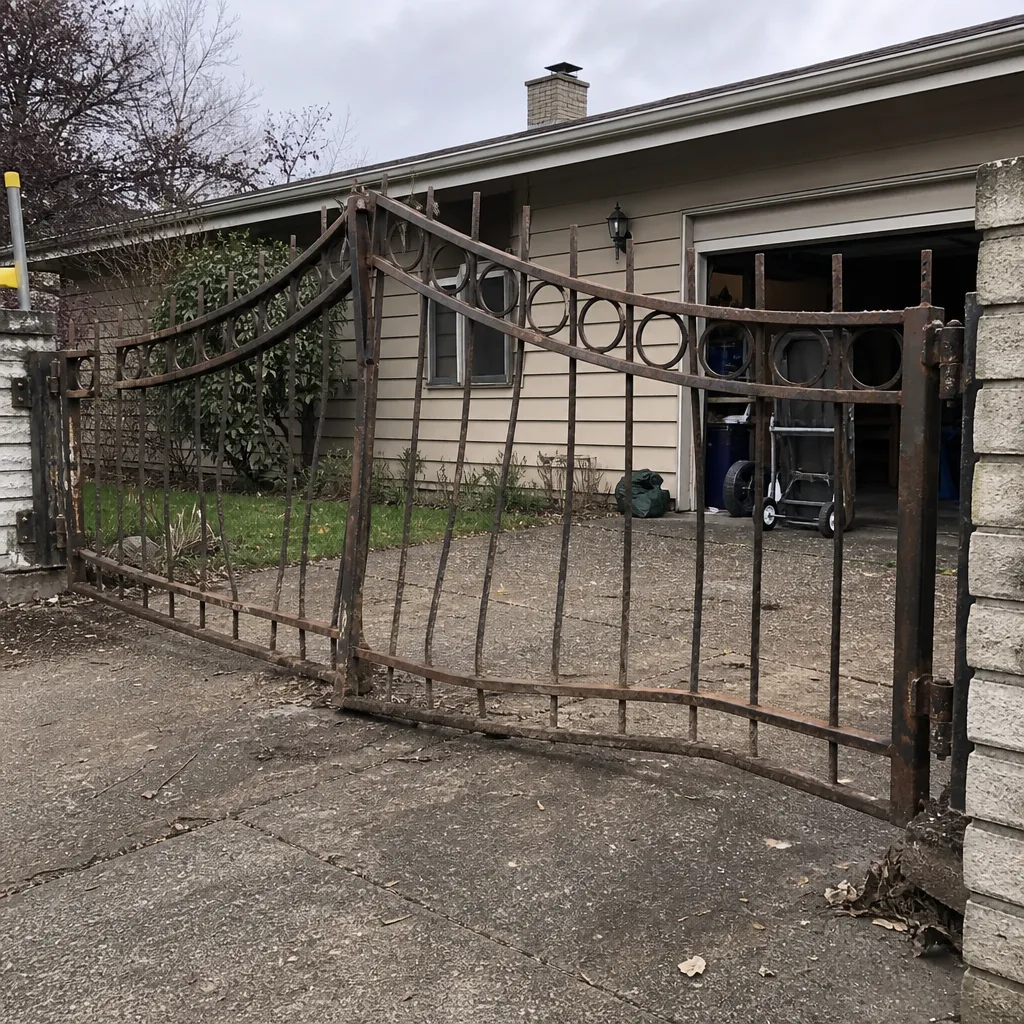 Before
 After
 Before
 After
When to Call a Professional
Some gate issues are fine to observe but not to fix yourself, especially anything involving the operator’s power, wiring, and safety sensors. Call a pro if the gate reverses unpredictably, if the operator hums but the gate won’t move, if the control board shows fault lights or a burnt smell, if safety edges or sensors stop responding, or if a heavy slide gate comes off its track. These involve electrical and crushing hazards that a trained technician is equipped to handle safely. If your gate is simply slow, noisy, or misaligned, that’s worth an on-site look before a minor issue grows into a bigger repair. A focused gate specialist can diagnose the electrical, mechanical, and control-board side and tell you honestly whether it’s repair or replace. Gate Repair Everett offers free estimates in Everett; call (844) 834-1197. We answer 24/7. Fast dispatch from 7am to 7pm, Sunday through Friday.
Frequently Asked Questions
For most Everett driveways, a well-supported residential operator is the right pick, and the best brand is the one whose duty cycle and parts support match your gate. LiftMaster, Ghost Controls, and Mighty Mule are common residential choices, each with different strengths in parts availability and access-control options. Match the unit’s rating to your real cycle count and confirm parts can reach Snohomish County quickly. Call (844) 834-1197 for an exact recommendation.
Yes, in most cases a high-traffic entrance needs a commercial-duty platform like FAAC, BFT, or Viking rather than a residential unit. Those gates cycle far more often than a driveway, and a residential-rated operator pushed past its duty rating overheats and wears out early. Match the operator to the cycle count with headroom to spare. Call (844) 834-1197 to talk through your entrance’s usage.
A gate operator repair is priced per job after we look at the unit, so the written estimate sets the final price. The cost depends on whether the issue is a motor, control board, sensor, or access-control component, and on the brand’s parts availability. We quote and agree on the price before any work starts, and estimates are free. Call (844) 834-1197 for an exact quote.
The brands that hold up best are the ones with strong housing, good control-board protection, and proper sealing, regardless of the badge. In a long rain season, moisture attacks weak seams and marginal enclosures first, so build quality on the electronics matters as much as motor specs. A unit designed with moisture in mind heads off premature board failures. Call (844) 834-1197 to discuss which operators fit Everett conditions.
Repair usually makes sense when the failure is isolated to a motor, board, sensor, or access-control part, while replacement is the better call when the unit is undersized for how hard it works. A brand-fluent technician can tell you which one actually makes sense rather than recommending a full replacement by default. It’s worth an on-site look before deciding. Call (844) 834-1197 for a free estimate.
Brand matters because it decides how fast parts arrive and how many local pros know the unit’s control board. A brand with strong regional support gets common components to Snohomish County quickly, while one that relies on distant shipping can leave a gate stalled for weeks. Brand-specific knowledge also speeds diagnosis. Call (844) 834-1197 and we’ll tell you what your brand needs.
The Bottom Line
Choosing a gate operator brand isn’t about price or feature lists alone. It’s about matching duty cycle to how hard your gate actually works, picking a platform with real parts and service support in Snohomish County, and choosing a build that holds up through Everett’s wet season. A residential driveway and a busy HOA entrance want different answers, and the total cost across five to ten years matters more than the sticker. Get those right and the brand choice becomes clear. Our technicians have up to experience across the major brands, and we’re glad to help you sort it out.
Ready to choose with confidence, or wondering whether to repair or replace? Call (844) 834-1197 for a free estimate. We answer 24/7. Fast dispatch from 7am to 7pm, Sunday through Friday. We work on the brand you already own, from Ghost Controls to FAAC, residential to commercial, and we’ll give you a straight answer on what actually makes sense for your gate.
Written by the team at Gate Repair Everett.