
Last updated November 16, 2026
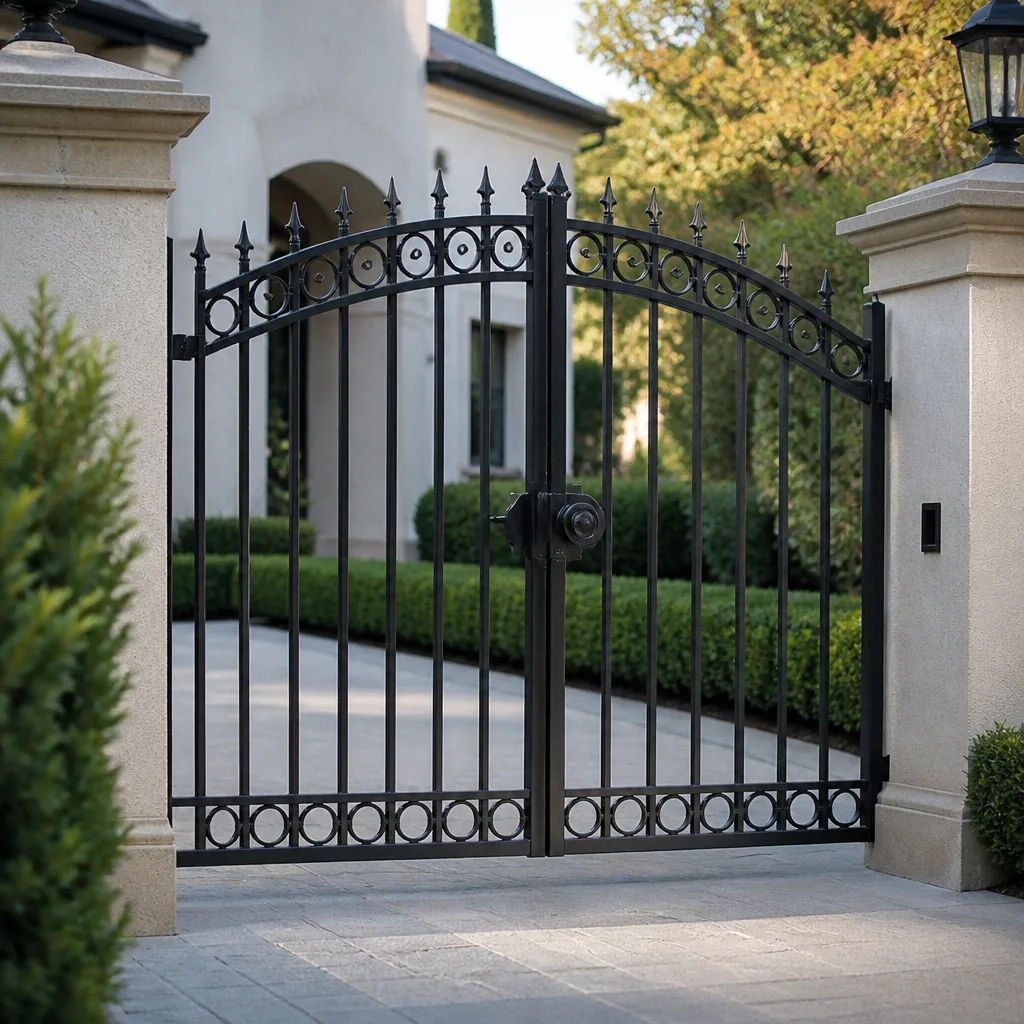 Wrought iron
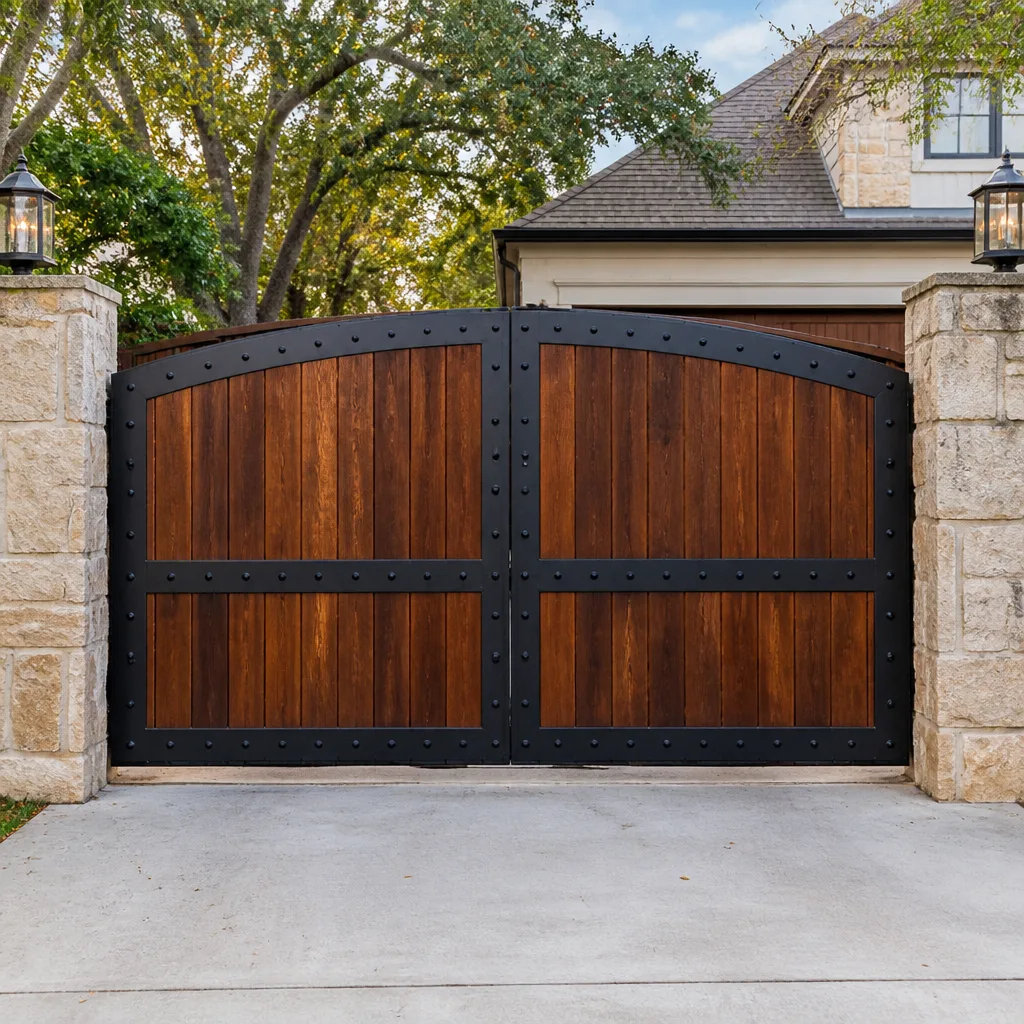 Wood & steel frame
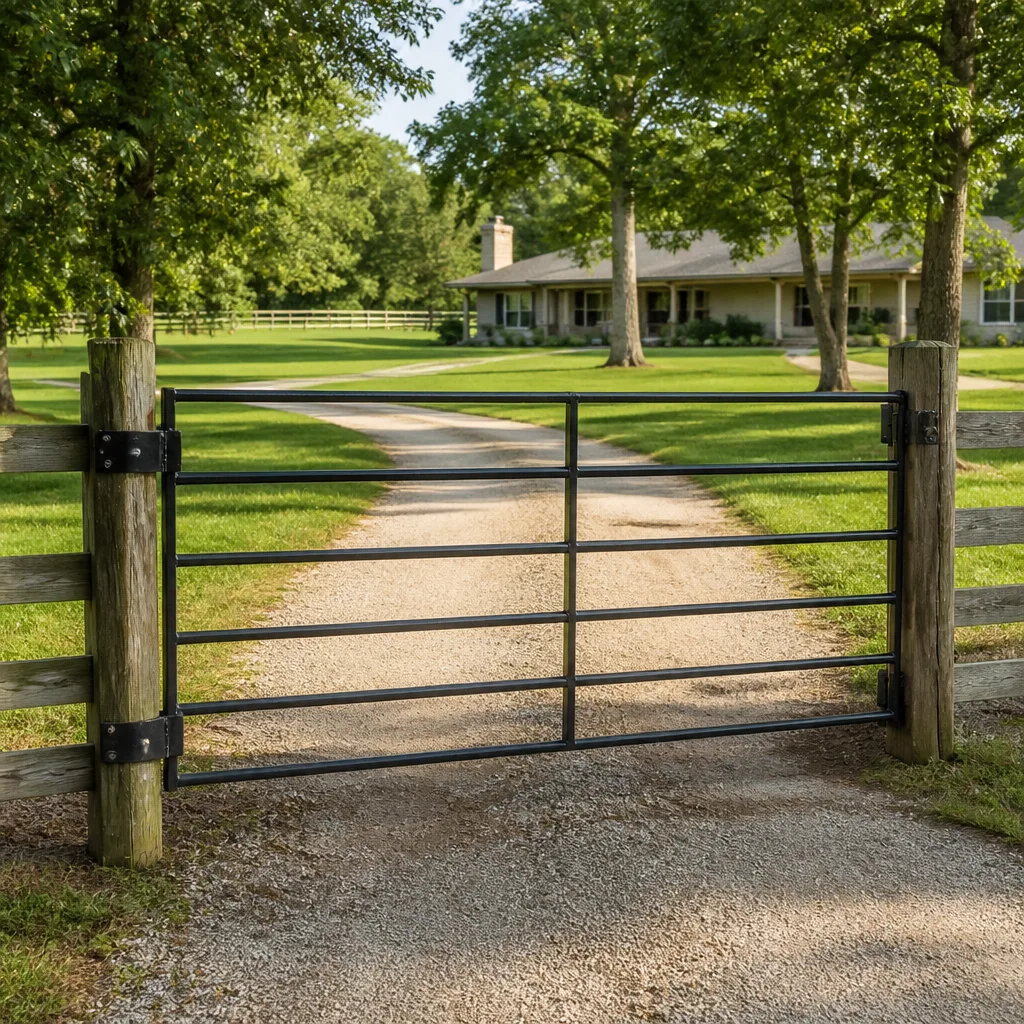 Farm & ranch
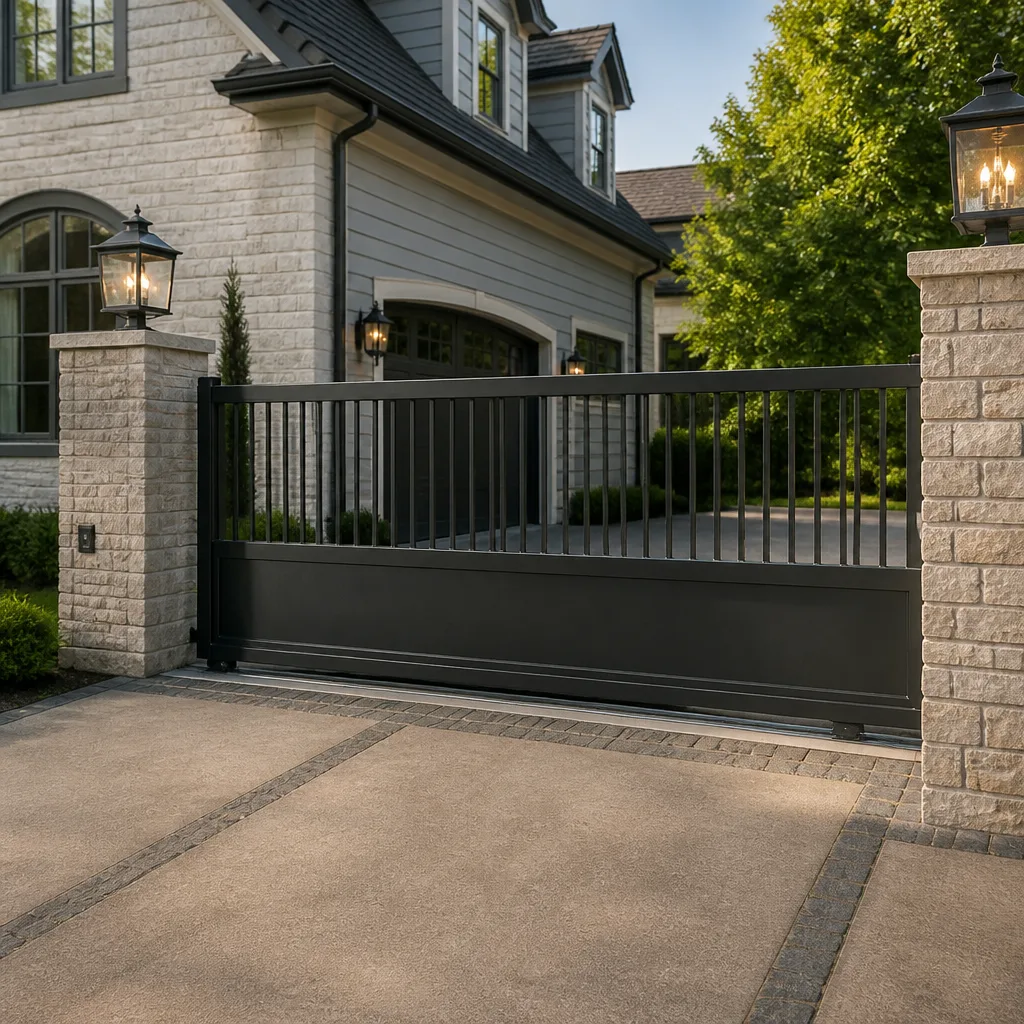 Sliding driveway gates
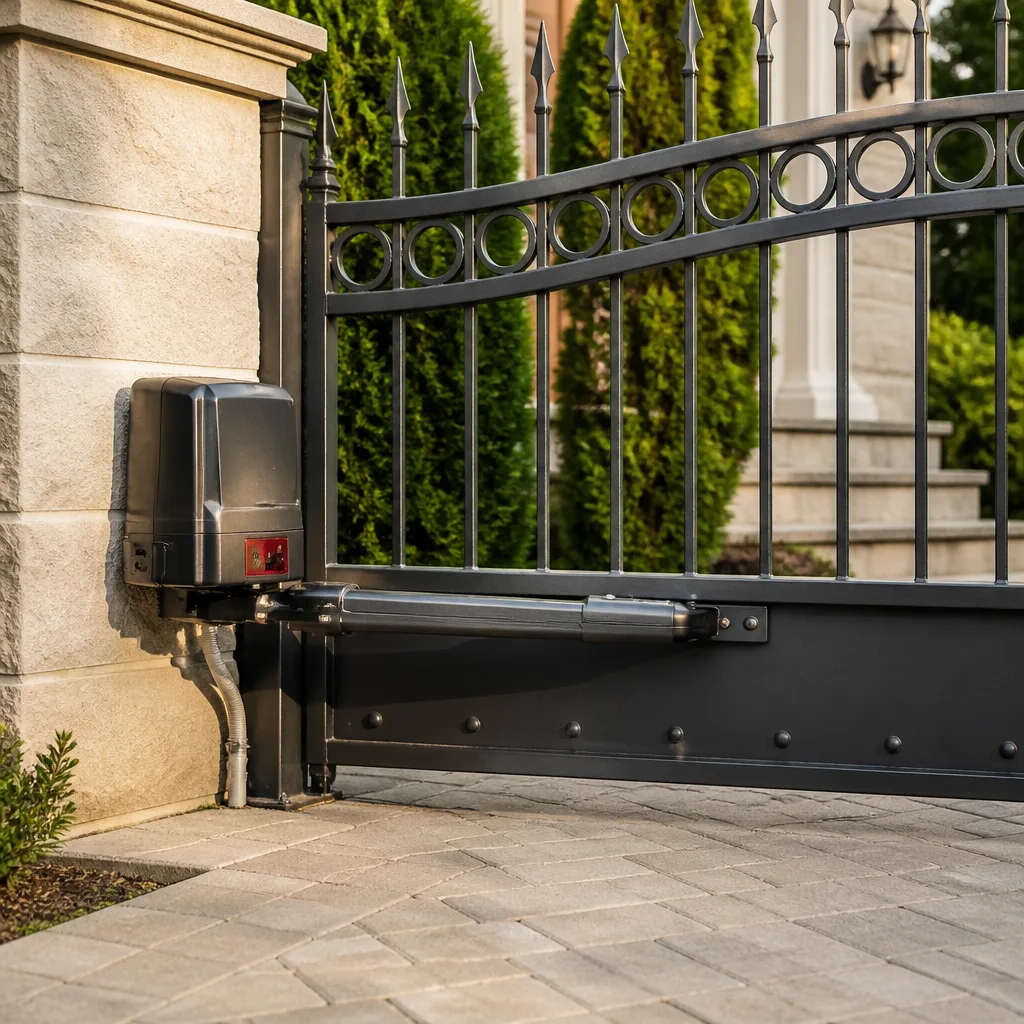 LiftMaster operators
Free on-site gate assessment - hinges, posts, and your LiftMaster or Nice gate operator checked before anything is quoted
The assessment is free and the quote is the invoice.
Get your free estimateThe Complete Guide to Gate Repair in Everett
A gate that’s “just slow” is usually two weeks from failing completely, and in Everett’s wet climate that two-week window closes faster than most people expect. Hinges that squeak and stick, a swing that hesitates halfway, a remote that only works when you’re ten feet away – these are early warnings, not quirks to live with. Most gate failures in Everett trace back to three root causes: moisture intrusion, misaligned hardware, and operator neglect. This guide walks the full repair decision tree so you know whether you’re looking at a small adjustment or a system that needs replacing, and how to tell the difference before anyone quotes you a number.
Quick Answer
Gate repair in Everett usually comes down to diagnosing whether the problem is mechanical (hinges, rollers, alignment, latches) or electrical (the operator, receiver, control board, or access control). A well-run service call isolates the failure first, explains it plainly, and gives you a written estimate before touching a screwdriver. Most issues are repairable on the original system rather than requiring replacement, but moisture-related control-board damage is the exception homeowners underestimate most.
Styles & brands we work with
- Wrought iron
- Wood & steel frame
- Farm & ranch
- Sliding driveway gates
- LiftMaster operators
Table of Contents
- Why Everetts Gates Fail Differently
- Mechanical vs. Electrical Failure: Know the Difference
- Brand-Specific Failure Patterns You Should Know
- Repair or Replace? The Honest Test
- What a Qualified Service Visit Looks Like
- What You Can Check Yourself (And When to Stop)
- Staying Ahead of the Next Failure
Why Everetts Gates Fail Differently Than Inland Washington
Everett sits close enough to Puget Sound that the moisture story here isn’t the same as it is in Spokane or Yakima. The rain totals are obvious, but it’s the persistent damp – the weeks where the air never really dries out – that does the damage on gate hardware. Hinges, rollers, and pivot points stay coated in a thin film of moisture that works its way into the grease and, over a couple of seasons, into the metal itself. That’s the first place we look on any swing gate in the city.
It’s not salt air that corrodes hardware here the way people sometimes assume; it’s continuous wetness and the grit that rides along with it. Rain splashes dirt into roller tracks and hinge cups, and that slurry grinds moving parts down far faster than dry grit does. On slide gates especially, the ground track holds water and debris, and rollers that should spin freely start to drag. A dragging roller loads the operator, the operator works harder, and the next thing you know the motor is overheating or the control board is throwing faults.
The other Everett-specific factor is the interior of operators. Automatic gate operators are outdoor equipment, but they still have vents, gaskets, and low spots where condensate collects. When a control board fails here, moisture intrusion is a leading suspect – not a power surge, not a manufacturing defect. That single reality shapes how we diagnose electric gate problems across Snohomish County.
Mechanical vs. Electrical Failure: Why Getting This Wrong Costs Money
Most wasted money on gate repair comes from misidentifying which system failed. A homeowner sees a gate that won’t open and assumes the operator is dead, when the real culprit is a hinge so stiff the operator’s safety reverse kicks in and stops the cycle. Or the opposite: the gate swings freely by hand, so nobody suspects the motor, but the doorKing operator has a blown receiver and the remotes are simply not reaching it. Getting the diagnosis right is the whole ballgame.
Mechanical Failure Symptoms
- Gate sags, drags, or scrapes the ground when moving
- Hinges squeak or feel loose; the gate won’t stay in a halfway position
- The gate won’t latch or align with the post
- Rollers on a slide gate are flat-spotted or won’t spin
- Movement is jerky or rocks side to side in the track
Electrical Failure Symptoms
- Gate is dead to the remote but works from a keypad or wall button (receiver issue)
- Motor runs but the gate doesn’t move (coupler or drive gear)
- Gate reverses immediately when it hits resistance that isn’t physical
- Operator beeps or flashes error codes and stops mid-cycle
- No response from any control source, but you’ve confirmed power at the operator
If you’re unsure which category you’re in, that’s exactly the point where a professional diagnosis saves you money rather than costing it. Electric gate repair is the part of the trade where guesswork is most expensive, because control boards and receivers are not cheap to swap on a hunch. Our technicians have up to experience reading these symptoms, and the right answer is almost always found before a part is ordered. When you’re ready for an on-site look, electric gate repair covers the full electrical side.
Brand-Specific Failure Patterns Across Everett Operators
We work on the brand you already own. That’s not a marketing line – it’s a diagnostic advantage. Different operators fail in different ways, and recognizing the pattern early saves you time, money, and a second visit. Here’s what we see again and again across the brands that dominate Everett properties.
Mighty Mule
Mighty Mule units are the most common residential swing operators on the market, and their typical failure points are well-known. The control board is the frequent trouble spot, especially after a winter of wet weather. The arms and stroke geometry also wear predictably; when a Mighty Mule acts up after a couple of hard seasons, the board and the arm are the first things to inspect.
LiftMaster
LiftMaster operators are robust but not immortal. The receiver is the most common early failure on LiftMaster systems – a remote that suddenly needs to be ten feet away is usually a receiver problem, not a remote problem. Battery backup and photo-eye issues round out the list. Access control integration is where these systems shine, and where a quick, accurate diagnosis pays off.
DoorKing and Elite
DoorKing systems sit on the commercial side of the fence and are often found on HOAs and light-commercial entrances. When they fail, it’s typically in the access control layer – keypads, loop detectors, or the interface between the operator and the entry system. Elite operators are solid residential and light-commercial units, and their typical failure points are the limit switches and drive components.
Because we’re familiar with the full range – from consumer-grade Mighty Mule to commercial FAAC and BFT operators – we recognize model-level failure patterns instead of starting from scratch on every call. That reduces guesswork and, more often than not, return visits.
Repair or Replace? The Test That Actually Makes Sense
The single most common question on a service call is whether the gate can be fixed or whether it’s time for a new system. We’ll tell you which one actually makes sense, and the test isn’t complicated once you break it down.
- Age and remaining service life. Most residential operators have a lifespan measured in a certain number of duty cycles, not years. If the unit is well past its expected duty life, spending money on a major part may be throwing good money after bad.
- Nature of the failure. A single failed component – a receiver, a limit switch, a hinge – is almost always worth repairing. A failure that traces back to structural problems across the operator, or to multiple failures in the same season, points toward replacement.
- Availability of parts. Some legacy models are still well-supported; others are not. If the part you need isn’t available, repair becomes a temporary fix, and a temporary fix that will fail again in a few months is not a good use of your budget.
- Repair cost as a share of replacement. A rough rule: if the repair is a meaningful fraction of the cost of a new system and the existing unit is nearing the end of its life, replacement is the more honest recommendation.
- What’s needed for the next stage. If you’re planning to add keypad access, an intercom, phone entry, or a different gate configuration, replacement often makes more sense than upgrading an aging operator.
A temporary fix that masks a failing system wastes money twice: once when you pay for it, and again when it fails. If the honest answer is replacement, we’ll say so, and we do complete gate installation as well, so you don’t have to call a second company.
The Repair-versus-Replacement Decision at a Glance
- Repair: single part failure, well-supported model, rest of system in good shape
- Investigate further: operator runs but gate doesn’t move, intermittent faults, one brand-specific known failure present
- Replace: multiple failures in a season, structural operator failure, no parts availability, planned upgrade
What a Qualified Service Visit Should Look Like in Everett
If you’ve only ever had a general handyman look at your gate, you may not know what to expect from a specialist. Here’s the baseline standard. Every service call should include:
- A clear symptom interview. What fails, when it fails, and what you hear or see when it does. The more specific you can be, the faster the diagnosis.
- A hands-on inspection of the mechanical side first. Hinge wear, roller condition, track alignment, post stability, and clearance. This is where most “dead operator” complaints actually originate.
- A full electrical and control diagnosis. Power at the operator, receiver function, control board condition, safety edge and photo-eye operation, and any access-control wiring.
- An access-control check. Remotes, keypads, loop detectors, intercoms, and phone entry tested across the full range of inputs, not just whichever one the homeowner uses.
- A written explanation of the failure. What went wrong, why, and what the options are – not a verbal estimate muttered from under the gate.
- A written estimate before any work begins. The price is quoted and agreed before we start. No surprises on the invoice.
That last item is where the trade sometimes falls short and where Everett property owners should hold a firm line. If a technician can’t tell you what the fix will cost before starting, you’re not getting a service call – you’re getting a handshake. When it’s time to get eyes on your system, gate repair covers the mechanical side and the diagnostic visit in one call.
What You Can Check Yourself (And When to Stop)
There are a handful of things worth checking yourself before you pick up the phone – and then there’s the point where a trained professional is the safer and more sensible call. Here’s how to tell the difference. Note the danger boundary: the operator’s wiring, the 120V power feed, and any access-control low-voltage runs are the dangerous parts. Heavy swing and slide panels that can crush are the other. If your symptom touches the powered side of the system, treat it as professional work.
Safe Checks You Can Do
- Open and close the gate by hand (with the operator disconnected or in manual mode) and feel for drag, scraping, or resistance
- Watch the gate through a full cycle and note where it hesitates or stops
- Test all remotes and the wall button and note which inputs work and which don’t
- Confirm the safety photo-eye is clean and unobstructed on both sides
- Inspect hinges and rollers visually for obvious wear, rust, or debris
- Check for loose hardware at the hinges, brackets, and posts
Stop and Call a Professional When
- You see a burned smell, scorch marks, or any sign of electrical arcing
- The operator hums but the gate doesn’t move
- The gate is heavy, off-track, or listing to one side
- The control board has visible water damage or corrosion
- Anything on the 120V feed side looks suspect
- A safety edge or photo-eye is failing to reverse the gate
We answer 24/7. Fast dispatch from 7am to 7pm, Sunday through Friday, closed Saturday. If you’re outside dispatch hours, a call is booked into the next opening. Call (844) 834-1197 for a free estimate.
Staying Ahead of the Next Failure
The best gate repair in Everett is the one you don’t have to make. Granted, not everyone has the time or appetite for preventive work, but a few habits meaningfully extend the life of a system here.
- Clear the track. On a slide gate, debris buildup after a windy week or a storm loads the rollers. A quick sweep is the cheapest maintenance there is.
- Watch the first symptom. A gate that used to open smoothly and now hesitates is telling you something. Two weeks is often how long it takes before that hesitation becomes a failure. The point is worth acting on sooner rather than later.
- Test safety devices – photo-eyes and safety edges – every couple of months, especially before any change of season.
- Schedule a one-time inspection if you’re not sure of the system’s health. Gate maintenance is a per-job visit priced after we look at the gate, and there’s no contract involved.
- Keep the operator clear of standing water. If the ground around the operator stays wet after rain, drainage is worth addressing.
- Note warning signs – beeps, error codes, remote range shrinking, slower movement – and act while it’s still a small fix.
Common Mistakes to Avoid
- Assuming a dead gate needs a new operator. A stiff hinge or a jammed roller can stop a healthy operator cold. Diagnose the mechanical side first, and you’ll often save the operator cost entirely.
- Ignoring an early warning. A gate that’s “just a little slow” is usually two weeks from failure, and in Everett’s damp shoulder seasons that window can close even faster.
- Calling a general handyman for an electrical fault. Access control, receivers, and control boards require the specific diagnostic skills of a gate specialist. A generalist will usually swap the wrong part.
- Signing off on a “temporary fix” for a failing system. It’s easy to pay for a repair that only masks the root problem. If there’s no parts support or the system is well past its duty life, honest replacement guidance is worth more than a band-aid.
- Skipping the written estimate. On any repair that could climb, insist on a written price before work begins. Verbal estimates inevitably drift.
- Not asking which brand you own. If the shop can’t tell you how they’ve handled your brand before, they may be about to learn on your property.
- Ignoring moisture. In this part of Snohomish County, water is the quiet cause of most control-board failures. If an operator has any sign of water intrusion, treat that as urgent.
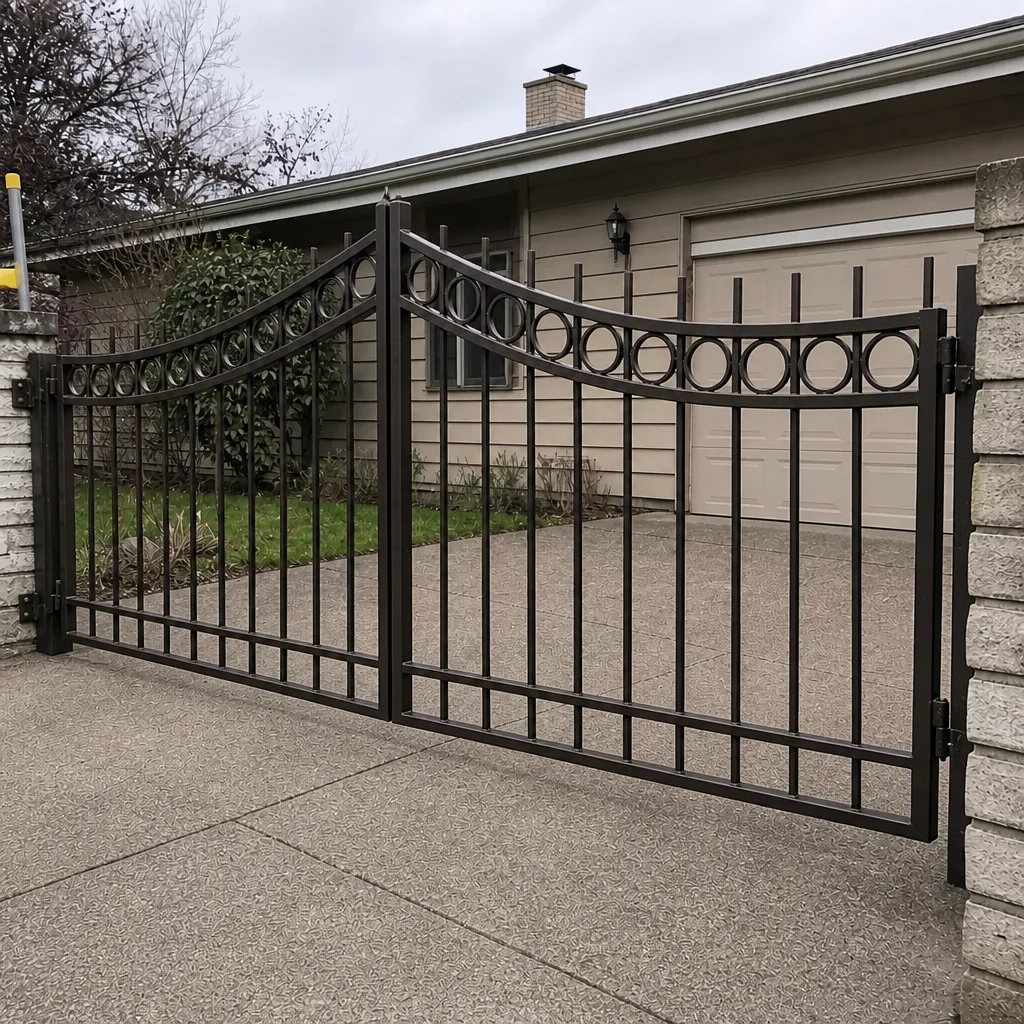
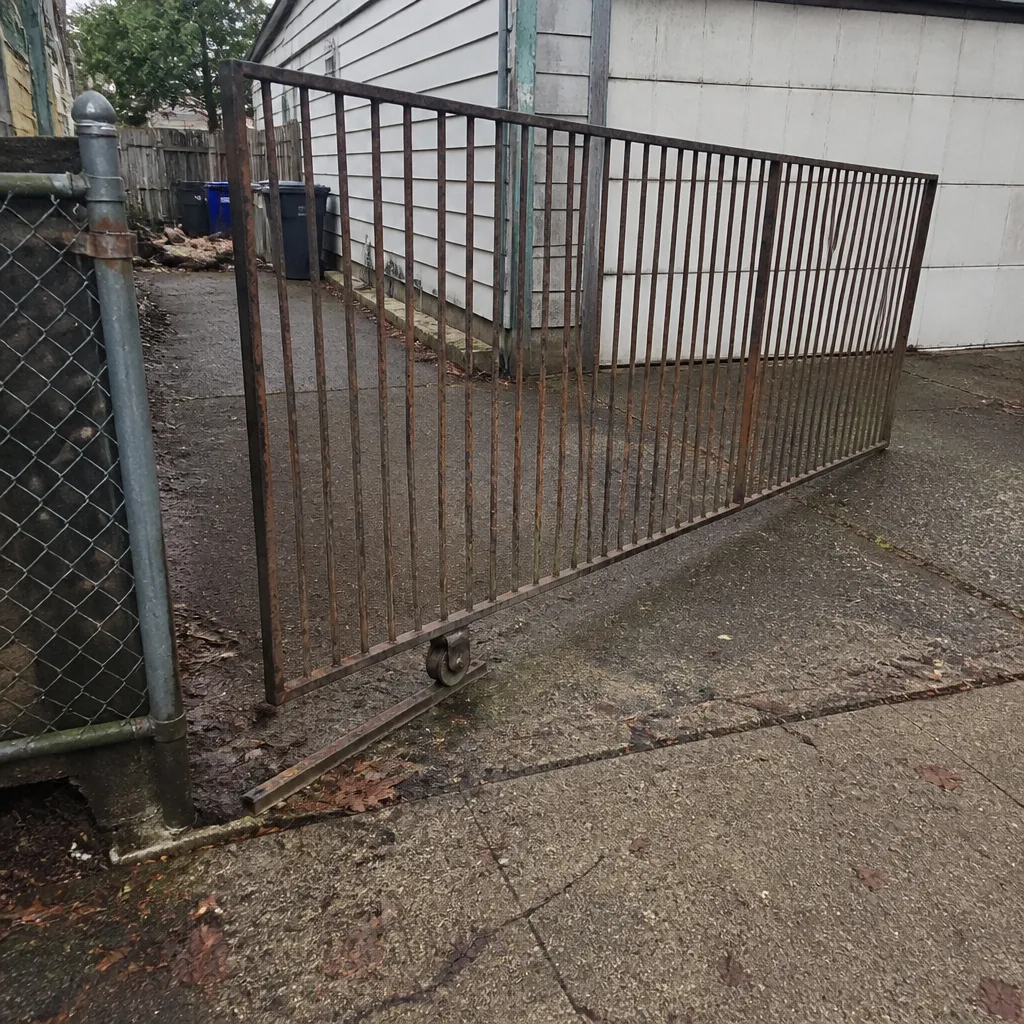
See the difference
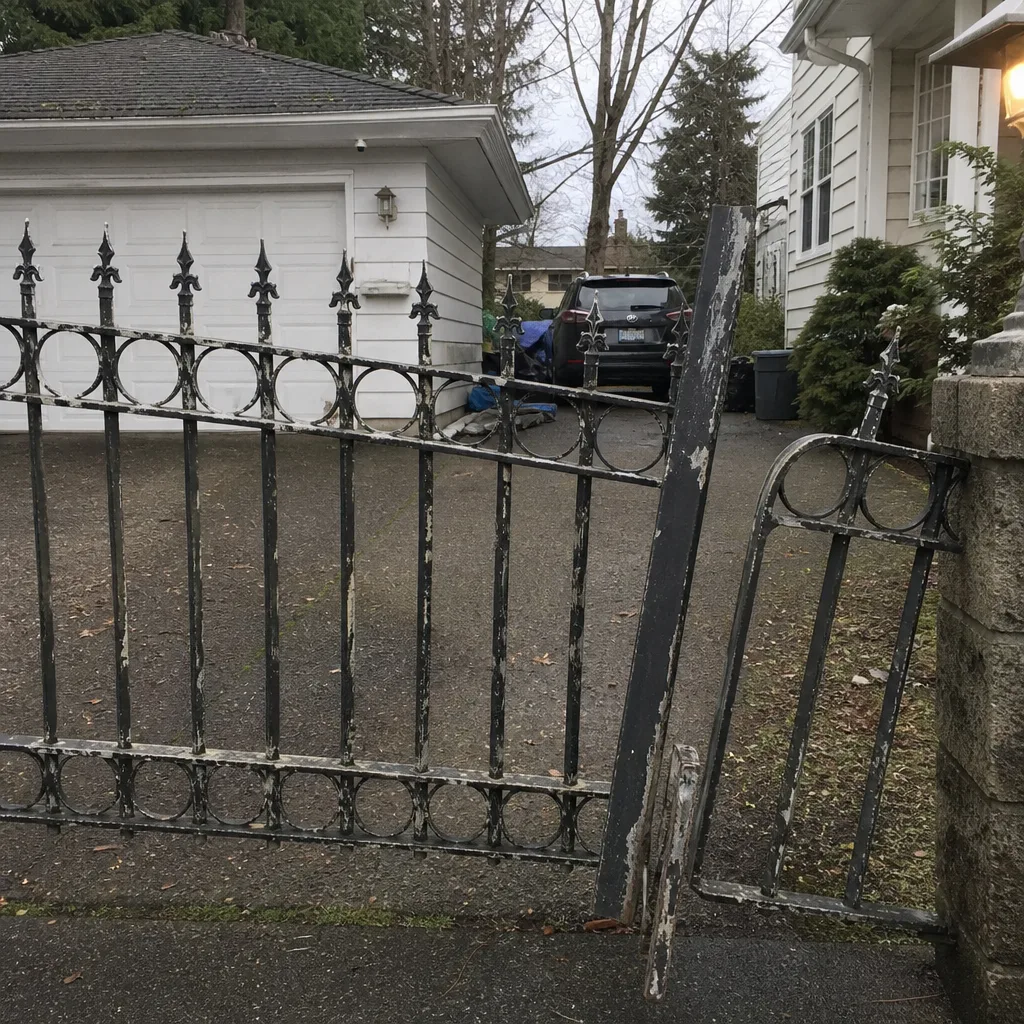 Before
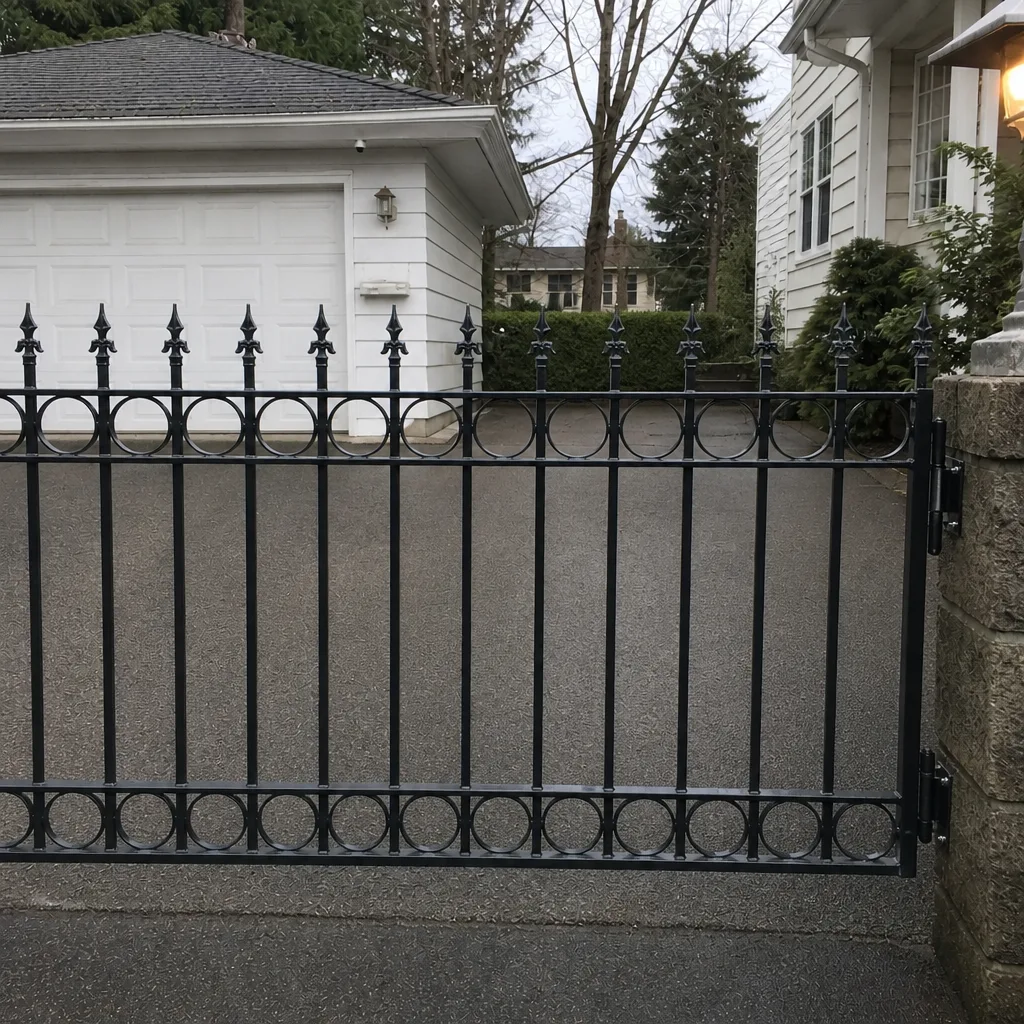 After
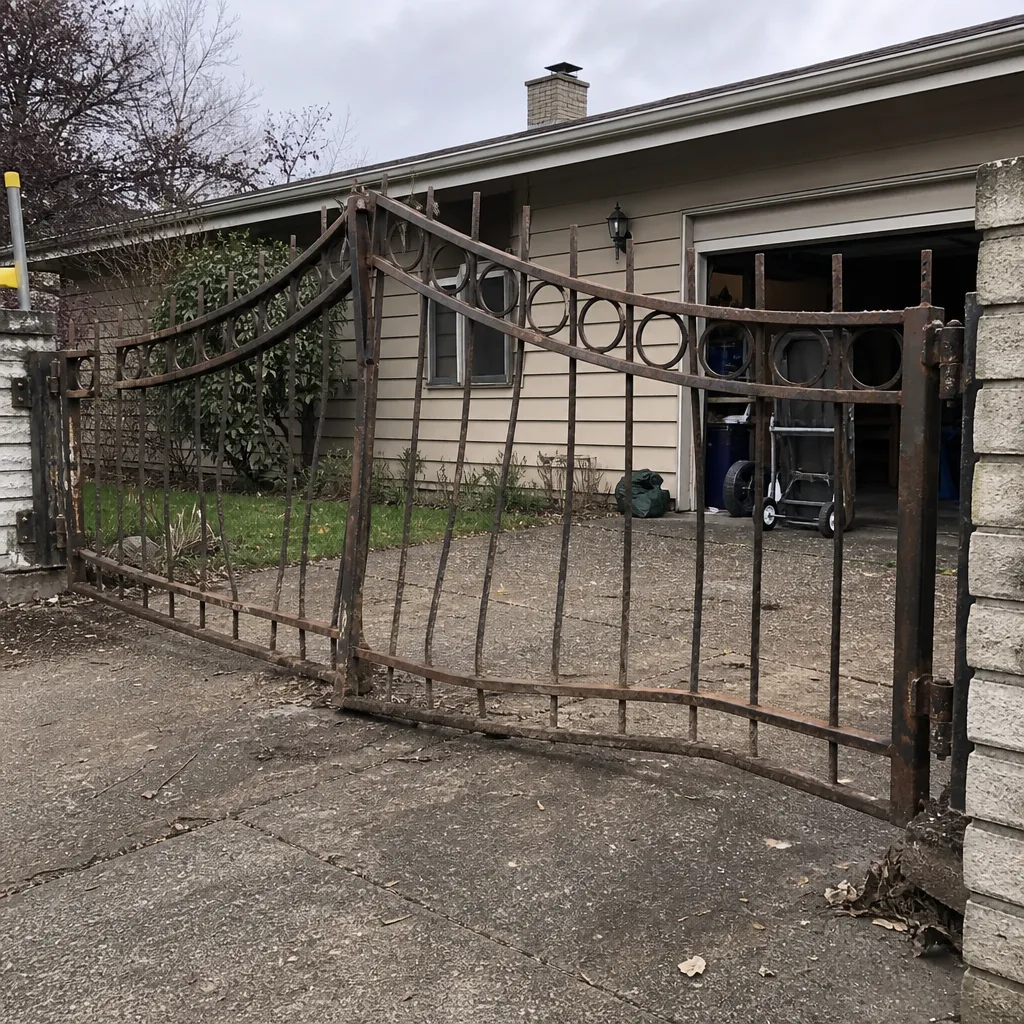 Before
 After
 Before
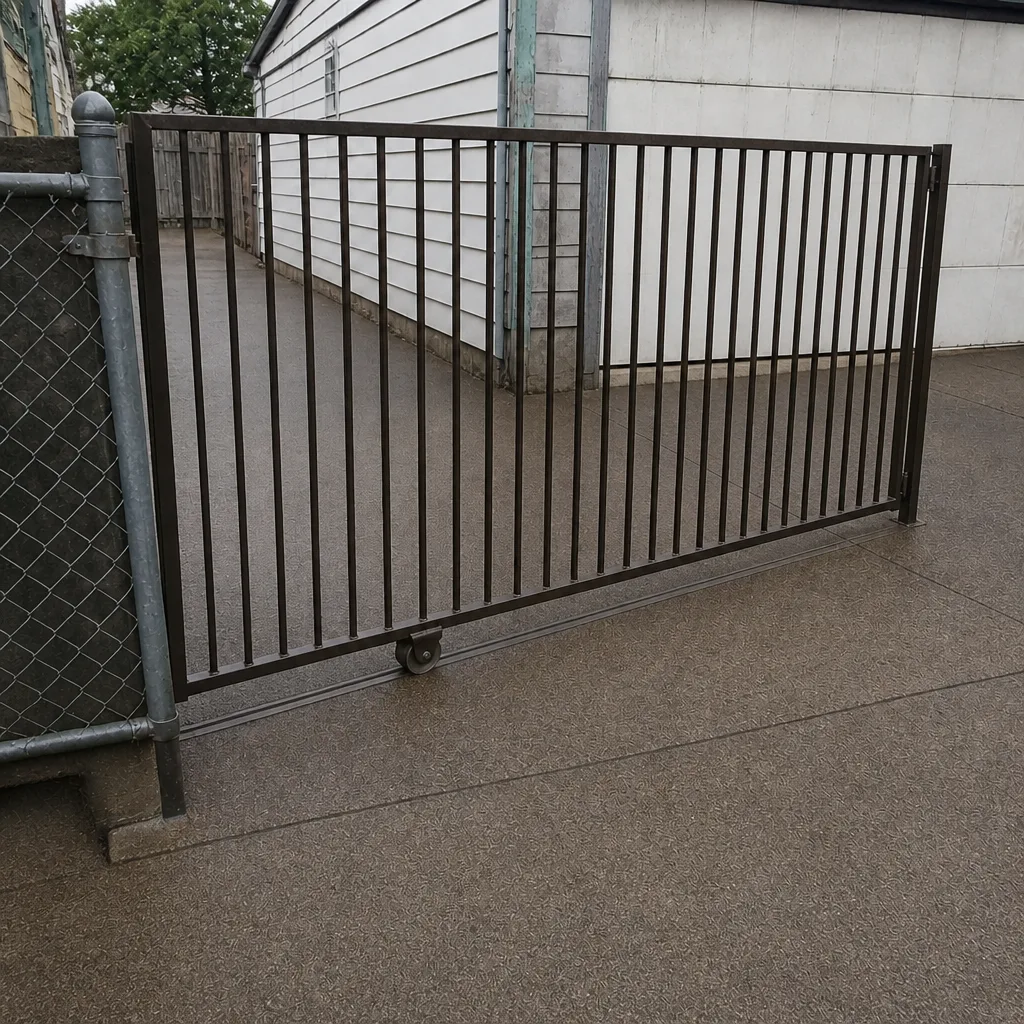 After
When to Call a Professional
Call a professional the moment anything on the powered side of the system acts up: a humming motor, an error code, a burned smell, a safety device that won’t reverse the gate, or a control board showing corrosion. Call when the gate is heavy, off-track, or starts to sag – the weight of a swing gate is genuinely dangerous to handle yourself. Call when a remote works intermittently or an access keypad has stopped responding, because those symptoms are almost always diagnosable on the first visit and easily fixed once correctly identified. And call if the fix you’ve already had keeps failing. Gate Repair Everett is the focused choice for Everett properties. We offer free estimates in Everett; call (844) 834-1197 and we’ll get the right answer for your gate.
Frequently Asked Questions
Gate repair in Everett is priced per job, and the written estimate sets the final price. A minor adjustment or a $40-class part can be a small fix, while an operator or control board replacement is a bigger ticket item. The only reliable way to know is a proper on-site diagnosis. Call (844) 834-1197 for a free estimate.
Yes, many gate repairs are same-day when the right parts are available. Mechanical adjustments, hinge and roller fixes, and some receiver or controller issues are typically resolved on the first visit. Electric repairs that require ordering a control board may take a second visit. We answer 24/7 and dispatch from 7am to 7pm, Sunday through Friday. Call (844) 834-1197 for an on-site estimate.
Mechanical repair covers the physical gate: hinges, rollers, tracks, brackets, latches, and alignment. Electrical repair covers the operator, receiver, control board, safety devices, and access control. Getting the diagnosis right first is the single biggest money saver, because the symptom on the outside doesn’t always match the failing system underneath. If you’re not sure, that’s the right time to call.
In most cases, yes. We’re familiar with the major residential and commercial gate brands, from Mighty Mule and LiftMaster to DoorKing and Elite. Being brand-familiar means we recognize the failure patterns these operators show up with, which shortens diagnosis and reduces the chance of a return visit. Call (844) 834-1197 and have your brand and model handy – it speeds up the estimate.
Yes. We handle repair, electric gate repair, and full gate installation, so you don’t need a different company if the honest answer is replacement. New gate and operator work is measured, ordered, and scheduled, not same-day. Start with a call for a free measure and a written price on the new system. Call (844) 834-1197.
You should expect a clear symptom interview, a hands-on inspection of both the mechanical and electrical systems, a check of the access control inputs, a plain-language explanation of what’s wrong, and a written estimate before any work begins. If a technician skips the written estimate, ask for one. That’s the baseline standard for gate repair in Everett. Call (844) 834-1197 to schedule.
The Bottom Line
Three root causes explain most gate failures in Everett: moisture intrusion, misaligned hardware, and operator neglect. Diagnosing which one you’re up against – before buying parts or accepting a replacement quote – is the difference between a small adjustment and an unnecessary expense. Brand-specific knowledge matters, because DoorKing, LiftMaster, Elite, and Mighty Mule systems each fail in recognizable ways. Insist on a written estimate before work begins, treat a hesitating gate as an early warning, and call a specialist when the symptom touches the powered side of the system. That’s the whole decision tree.
When you’re ready to have your gate looked at properly, call Gate Repair Everett at (844) 834-1197 for a free estimate. We answer 24/7. Fast dispatch from 7am to 7pm, Sunday through Friday, closed Saturday. We work on the brand you already own, and we’ll tell you whether a repair or a replacement actually makes sense.
Written by the team at Gate Repair Everett.