
Last updated November 16, 2026
 Wrought iron
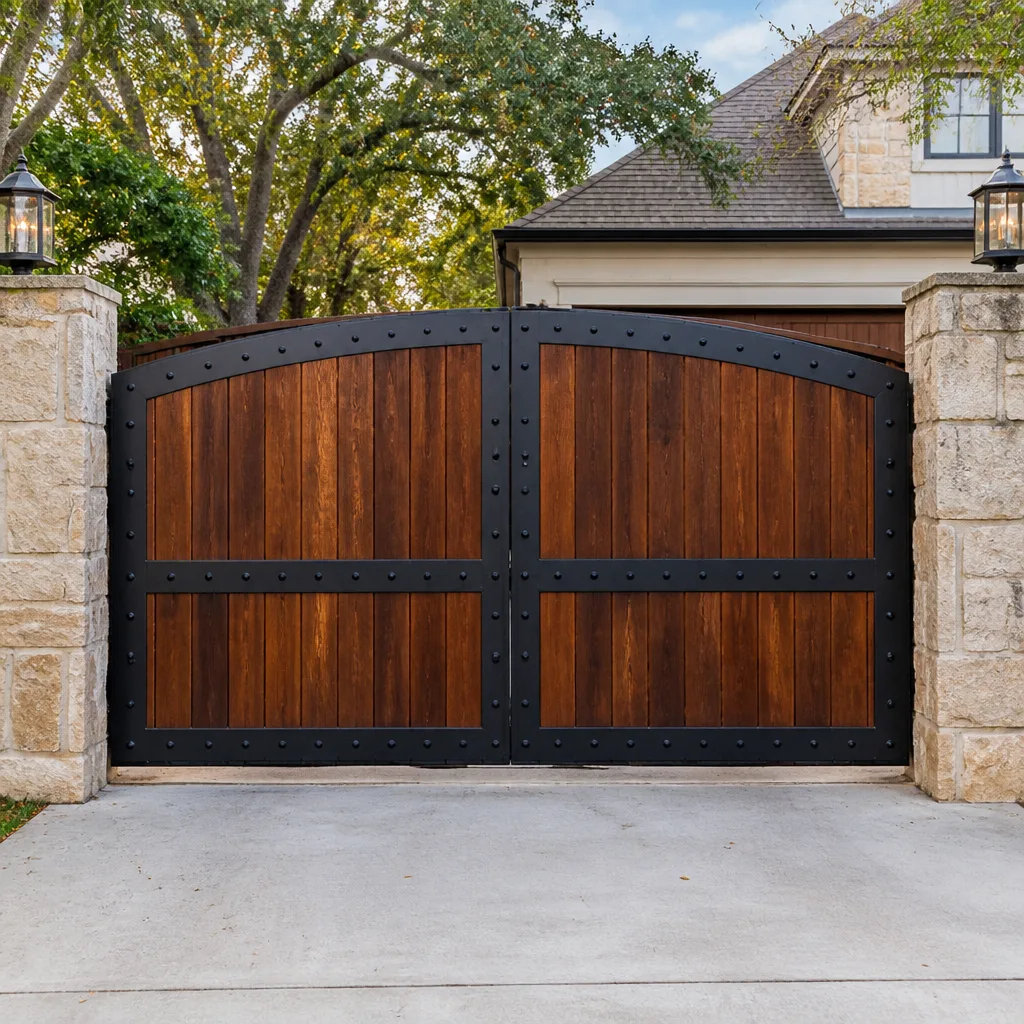 Wood & steel frame
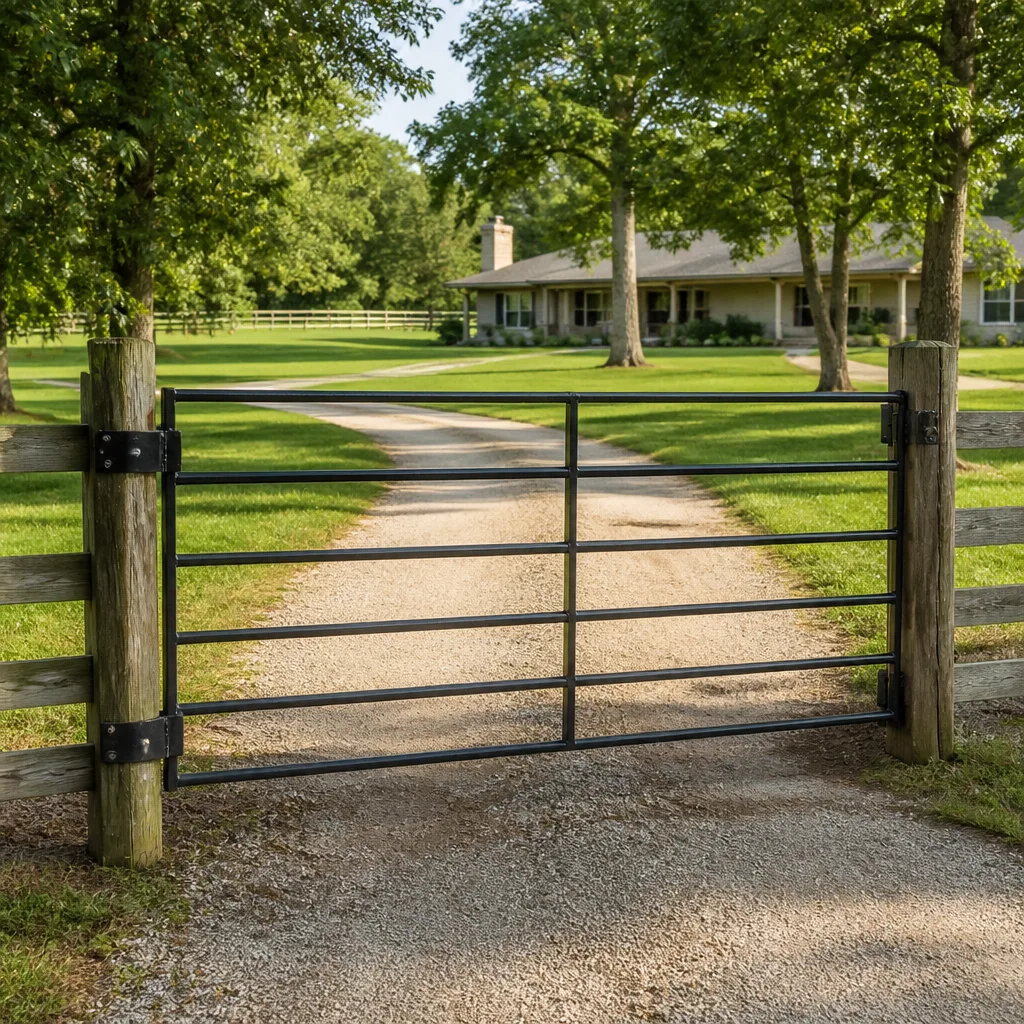 Farm & ranch
 Sliding driveway gates
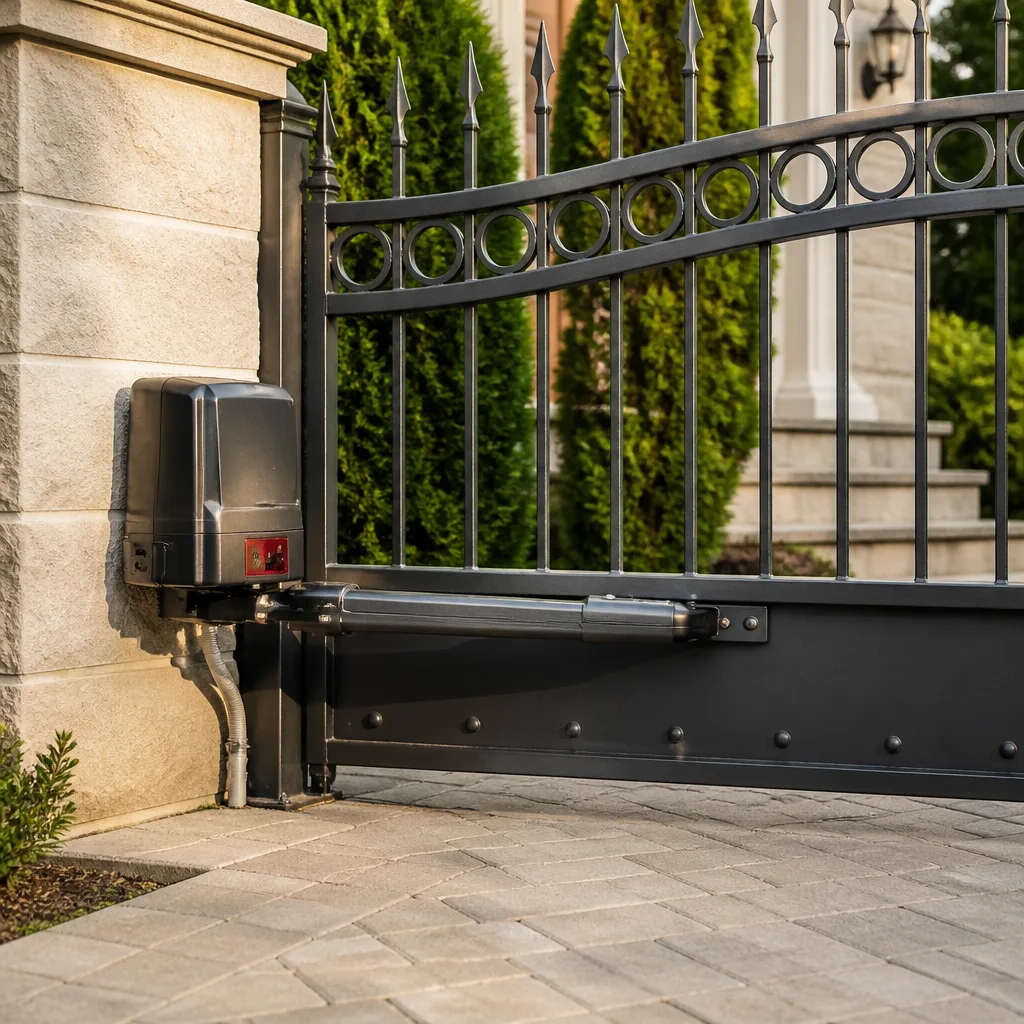 LiftMaster operators
Free on-site gate assessment - hinges, posts, and your LiftMaster or Nice gate operator checked before anything is quoted
The assessment is free and the quote is the invoice.
Get your free estimateGate Repair Emergency Preparedness Guide for Everett Homes
Most gate emergencies aren’t really about the gate. They’re about the moment you realize you don’t know how to open the thing by hand. A gate stuck open during a power outage is an active security gap, and a gate stuck closed is an access problem that can trap a car, block a caregiver, or strand a whole household. The two failures look similar from the driveway and they call for completely different responses. What follows is a practical guide for Everett homeowners: how manual release works on the operator you own, what to do while you wait for help, and how to set up your gate so the next failure is shorter and cheaper. We’ll cover winter storm outages, flooding around posts, vehicle impacts, and the information you should have ready before you call anyone.
Quick Answer
A gate stuck open is a security risk and a gate stuck closed is an access risk. Handle a stuck-open gate first by chaining or barricading the opening and securing the property another way, then find and use your operator’s manual release so you can move the gate by hand. For a stuck-closed gate, confirm the operator has power, check the remote battery and the control board for a fault code, and try the manual release. Never force a gate that won’t move, and never reach into the operator’s housing or the gate’s hinge and track zones while it’s powered. Call a gate technician with your operator’s make and model ready.
Styles & brands we work with
- Wrought iron
- Wood & steel frame
- Farm & ranch
- Sliding driveway gates
- LiftMaster operators
Table of Contents
- Stuck Open vs. Stuck Closed: Two Different Emergencies
- Manual Release Procedures by Operator Type
- Everett-Specific Gate Emergencies
- How to Secure a Gate Stuck Open
- What to Have Ready Before You Call
- Reading the Warning Signs: Common Operator Faults
- Preventive Steps That Make Emergencies Less Severe
- Repair or Replace: Making the Honest Call
Stuck Open vs. Stuck Closed: Two Different Emergencies
The first thing to establish when your gate fails is which direction of failure you’re dealing with, because the priorities invert. A gate stuck open leaves your property exposed. A gate stuck closed leaves you, your vehicles, or your visitors trapped on one side of it. Both are urgent, but only one is a security event in progress.
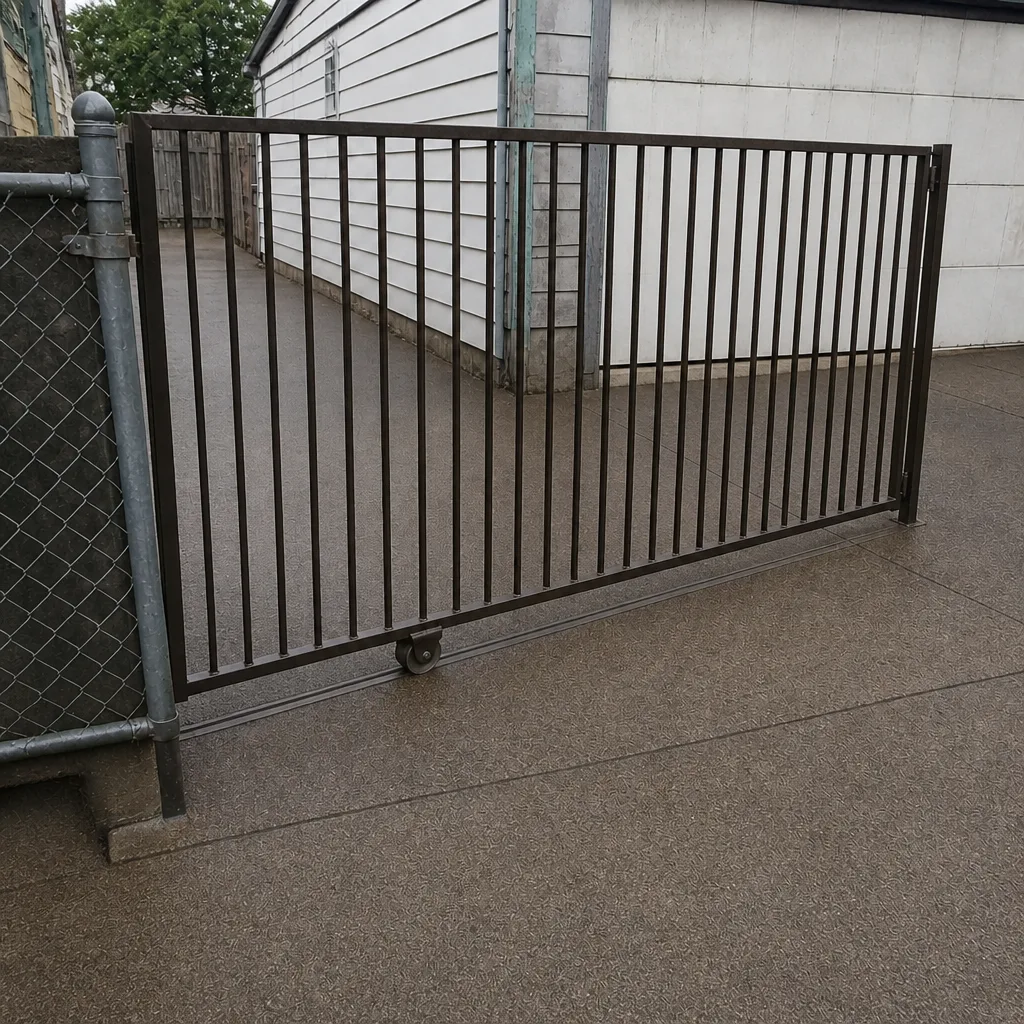
Gates stuck open usually trace back to a few causes. A power outage kills the operator mid-cycle and leaves the gate at whatever position it held. A safety sensor that’s been knocked out of alignment can prevent the gate from closing at all. A limit switch that’s drifted tells the board the gate is already home when it isn’t. On a slide gate, a wheel that’s jumped the track or debris in the channel can stall the gate partway through travel and the operator will stop or reverse.
Gates stuck closed are often electrical. The operator has no power, the control board has faulted, the battery in the remote is dead, or the access control system (a keypad, card reader, or intercom) isn’t sending the open command. On a swing gate, the actuator arm may have seized, or the gate leaf may be physically jammed against a post that’s shifted with the ground.
Here in Everett, the failure direction also tells you something about season. Winter storms that bring down branches or knock out power tend to leave gates stuck partway through a cycle, most often open. The wet season does its own damage at the base of the posts, where standing water and soft soil can shift a hinge or seat a slide gate’s track out of level. Knowing which failure you have helps you decide whether to secure the opening first or troubleshoot power first.
Manual Release Procedures by Operator Type
Manual release is the single most useful thing a gate owner can learn, and it’s the step most people skip until they need it. Every powered gate operator made by LiftMaster, FAAC, BFT, Linear, or any other brand has a manual release so the gate can be operated by hand when the power is out or the operator has failed. The release mechanism differs by operator type, and getting it wrong can damage the gearbox or drop a gate leaf on your foot. Below is how the three most common configurations work in general terms. Before you touch anything, put the gate in a safe state: stand clear of the gate’s path, make sure no one is in the opening, and keep hands out of the hinge zone on a swing gate or the track channel on a slide gate.
Slide Operator (LiftMaster and similar)
- Locate the manual release. On most slide operators it’s a keyed lever or a pull handle on the operator housing, or a release chain on the top of the unit.
- Turn the key or pull the lever to disengage the drive gear from the gate.
- Move the gate slowly by hand along the track. Listen for grinding or scraping. If it binds, stop; forcing it can bend the track or damage the gate frame.
- Re-engage the release once the gate is where you need it, unless you plan to leave it in manual until a technician arrives.
On some commercial-grade slide operators, the manual release is a hand crank or a release chain that lifts a lever inside the housing. Follow the label on the unit itself; if there’s no label, that’s a good reason to have one added.
Swing Arm Actuator
- Identify the actuator arm connecting the operator to the gate leaf.
- Find the release pin, key, or lever on the arm or at the operator housing.
- Disengage the arm so the leaf moves freely, then swing the gate open or closed by hand.
- Support the gate leaf while you move it; an unpowered swing gate can swing fast and strike a person or vehicle.
Barrier Arm
- Locate the manual release on the barrier housing, usually a keyed release or a lever on the cabinet.
- Disengage the drive and raise or lower the arm by hand.
- Never prop a raised barrier arm with a stick or block that can slip; if you need it open, secure the arm with a proper tie or lock the cabinet.
We’ve seen gates damaged because a homeowner tried to force a release that was already engaged, or tried to hand-move a gate with debris in the track. If the release won’t move, stop and call. The mechanism may be seized from rust or water intrusion, and that’s a repair, not a wrestling match.
Everett-Specific Gate Emergencies
Everett’s weather shapes the kinds of gate failures we see. The rainy season, from late fall through early spring, brings the conditions that cause most of the trouble: saturated ground, falling branches, and power interruptions. Some of the most common Everett gate emergencies:
Power Outages During Winter Storms
When the power goes out, a gate operator without battery backup simply stops wherever it was. If your gate was open, it stays open. If the operator has a battery backup, check whether the batteries have held their charge; batteries that haven’t been tested in a couple of seasons often won’t carry the gate through a long outage. After a storm outage, test the gate’s full cycle once power returns, because the gate may have stopped mid-travel and the operator’s limit settings could be off.
Flooding Around Gate Posts
Everett’s wet season saturates the soil around gate posts, and standing water at the base of a post can shift the footing, corrode the hinge hardware, and let the gate sag. A slide gate’s track can settle out of level when the ground beneath it softens. If you see water pooling at a gate post, don’t run the gate through it until the water drains; the operator’s internal parts are not meant to sit in water, and a submerged control board will fail. If the gate has already shifted or is dragging, stop using the operator and have it looked at.
Vehicle Impacts
A car, truck, or delivery vehicle that clips a gate leaf can bend the arm, knock the actuator out of alignment, or crack the operator’s mounting bracket. A swing gate hit by a vehicle often never runs its cycle correctly again because the arc of travel no longer matches what the operator was set for. Don’t try to power-cycle an impacted gate until someone has looked at it; a bent arm under a running operator can snap or cause further damage. Photograph the damage before you move anything, and keep the gate in manual if you can.
If any of these has happened to your gate, our Gate Repair Everett team can advise on whether the failure is electrical, mechanical, or both.
How to Secure a Gate Stuck Open
A gate stuck open is a security gap, and the fix isn’t always to force the gate closed. Sometimes you can’t safely close it, and sometimes the operator won’t do it even if the gate is fine. Either way, your job in the first hour is to protect the opening. Some practical approaches:
- Temporary physical barrier. A chain across the opening with a padlock, a set of folding barricades, or a temporary panel will deter casual entry while the gate is down. Make sure the barrier is visible at night; reflective tape or a battery-powered light helps.
- Lock the operator in manual mode if the gate can be closed by hand. If the release works and the gate can be moved, close it and lock it. Then the opening is secure even though the operator is still down.
- Check the access control side. If you have a keypad or intercom, confirm it’s still functioning. You may be able to keep the drive lane secured by relying on the gate’s manual lock and letting people enter another way.
- Talk to your neighbors or HOA. If your gate serves more than one household, a quick notice about the opening prevents someone from driving into a gap they don’t expect.
One warning: don’t park a vehicle in the opening as a “temporary gate.” It blocks emergency access and it’s easy for a delivery driver to back into. A visible barrier plus a padlock is the better answer.
What to Have Ready Before You Call
The difference between a one-visit repair and a two-visit repair is often the information you have ready when you call. Gate operators are specific machines, and a technician who knows the make and model can often bring the right control board, sensor, or actuator on the first trip. Before you pick up the phone, gather these:
- Operator brand and model number. The label is usually on the housing or inside the cabinet door. LiftMaster, FAAC, BFT, and Linear all label their units, and the model number is the fastest way to identify the right parts.
- Gate type. Swing, slide, or barrier arm.
- What the gate is doing. Not opening, not closing, stopping partway, reversing, making a noise, or completely dead.
- Any fault codes or blinking lights on the control board. Count the blinks if you can; each pattern usually means something specific.
- Whether the gate has power. Confirm the breaker is on and the operator’s power switch (if it has one) is in the on position.
- Recent events. A storm, a power outage, a vehicle impact, or a gate that’s been slow or noisy for weeks.
- Access details. How a technician gets to the operator, whether the gate is on a public or private drive, and whether an HOA or property manager needs to authorize the visit.
Having this ready also helps us tell you whether the problem sounds like a quick fix or a full diagnostic visit. When you call electric gate repair with your model number, you’re giving the technician a head start.
Reading the Warning Signs: Common Operator Faults
Most gate emergencies announce themselves first. A gate that’s been hesitating, grinding, or speeding up and slowing down for a week is a gate that’s about to fail. Knowing the warning signs gives you time to schedule a visit instead of calling in a panic. The most common operator faults we diagnose in Everett:
- Dead operator, no lights. Usually power supply or control board. Check the breaker and the operator’s power switch first.
- Operator has power but the gate doesn’t move. Often a failed control board, a seized gearbox, or a safety sensor that’s reading an obstruction.
- Gate moves a few feet then reverses. Classic safety sensor or limit switch issue. Sensors that are misaligned or dirty will tell the board an object is in the path.
- Gate is slow or struggles to move. Mechanical drag from a worn track, a binding hinge, or a failing motor.
- Gate does nothing from the remote but works from the keypad (or vice versa). Usually the remote battery, the receiver, or the access control wiring.
- Operator runs but the arm or gate doesn’t follow. A release that’s engaged, a stripped gear, or a broken arm connection.
- Control board fault codes. Many boards blink a count; some display a code. Write it down before you call.
Brand familiarity matters here. The failure patterns on a LiftMaster slide operator are different from those on a FAAC swing actuator, and a technician who works on those brands regularly recognizes the symptom faster. Our team is experienced with LiftMaster, FAAC, BFT, Linear, and several other major brands across residential and light-commercial systems.
Preventive Steps That Make Emergencies Less Severe
You can’t prevent every gate failure, but you can make the next one shorter and cheaper. A few small steps go a long way, and none of them require an electrician or a deep mechanical background.
Label Your Manual Release
Put a durable, weatherproof label on or next to the manual release showing how it works and where the release is. If you ever sell the home or a house-sitter needs to open the gate, the label is the difference between a five-minute job and a call to a technician. Write the release procedure on the label in plain words, in the order your operator requires.
Test the Battery Backup
If your operator has battery backup, test it once a season. The test: with the operator on battery only, run the gate through a full open and close cycle. If the gate stalls, slows noticeably, or won’t complete the cycle, the batteries need replacing. Backup batteries that haven’t been tested since installation often fail on the first real outage.
Keep Model Numbers Accessible
Take a photo of the operator’s model label and store it on your phone. It’s the first thing a technician will ask for, and it saves a trip out to the gate to read it. Include the serial number and a photo of the control board if you can.
Clear the Track and Hinge Path
Leaves, branches, and gravel in the slide gate’s track are a common Everett problem after a windstorm. Sweep the track after storms and check the hinge zone on a swing gate for debris. A gate that has to drag across debris wears its motor faster.
Check the Posts and Footings
After the wet season, walk the gate line and look for posts that have shifted, tilted, or sunk. A post that’s moved out of plumb puts continuous strain on the operator, and it’s easier to correct before the hardware fails.
If you’re not comfortable testing or inspecting any of this yourself, a one-time visit from our gate repair team can cover it. We’d rather tell you your gate is fine than have you find out the hard way.
Repair or Replace: Making the Honest Call
The most common question we get from Everett homeowners is whether a failing gate is worth repairing or whether it’s time for a new one. The honest answer depends on the age and condition of the operator, the gate itself, and what’s actually failing. Here’s how to think it through.
Repair usually makes sense when the gate structure is sound and the failure is a single component: a control board, a sensor, a remote receiver, a worn hinge, or a failed battery. Repairs also make sense on older operators that are otherwise functioning well. A gate that has decades of life left in the frame and hardware justifies keeping the operator going.
Replacement starts to make sense when the gate’s structural parts are failing (bent frames, rusted tracks, shifted posts), when the operator is at the end of its service life and parts are hard to source, when the access control system is outdated and you want new keypad or intercom functions, or when repeated failures point to a system-wide problem rather than a single part. A slide gate whose posts have shifted may need the footings rebuilt before any operator will run it reliably.
We diagnose first and recommend second. If the honest answer is that a small repair will get you back to secure in one visit, that’s what we’ll tell you. If it’s time for a new installation, you’ll get a written estimate for that. Our team handles both Everett gate repair and gate installation, so you don’t need to call a different company as your needs change.
Common Mistakes to Avoid
- Forcing a stuck gate by hand without disengaging the operator. If the operator is still engaged, forcing the gate can damage the gearbox or strip the drive. Always disengage the manual release first.
- Trying to reach into the operator housing to “reset” something. Control boards and wiring carry live voltage. A trained technician should open the housing, not a homeowner in the rain.
- Ignoring a gate that’s been slow for weeks. A slowdown is the operator’s warning sign. Scheduling a repair while the gate still moves is cheaper than waiting for it to fail completely.
- Skipping the battery backup test. Backup batteries on a gate that hasn’t been tested since installation often fail on the first real outage, which is exactly when you need them.
- Not knowing the operator model. Without the make and model, the first visit becomes a diagnostic visit, which can mean a second trip for parts.
- Letting debris build up in the slide gate track. Leaves and gravel in the track after an Everett windstorm cause premature motor wear, and the fix is a broom, not a new motor.
- Not securing a gate stuck open while waiting for repair. An open gate is an open invitation. A temporary barrier costs little and protects the property until the repair is done.
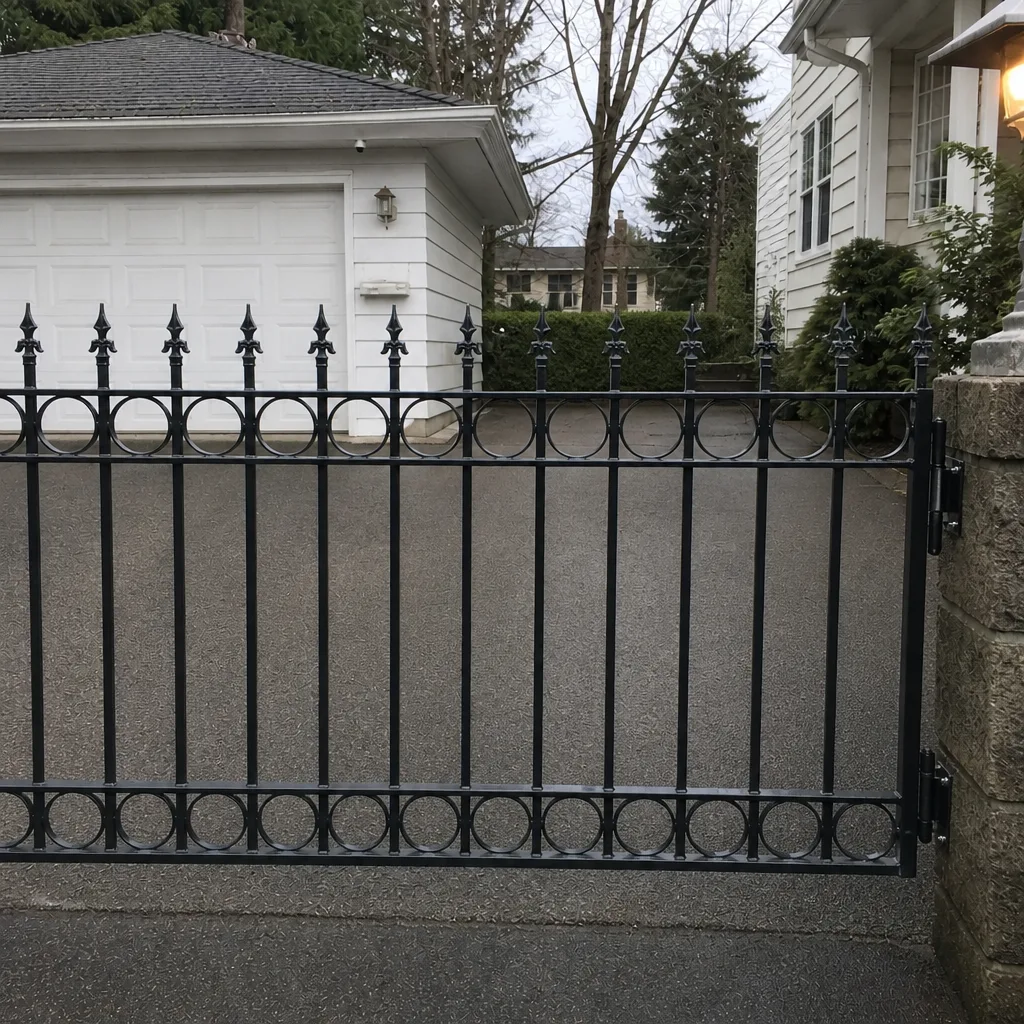
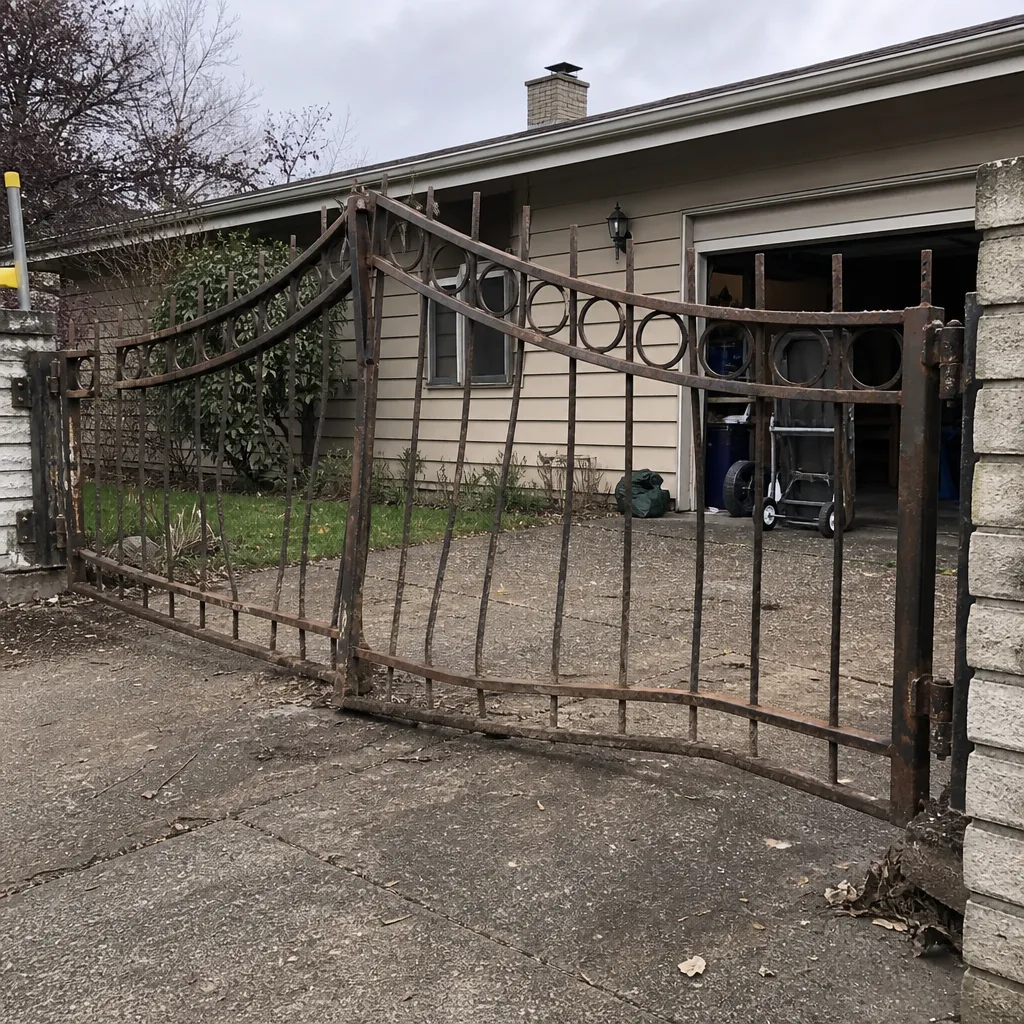
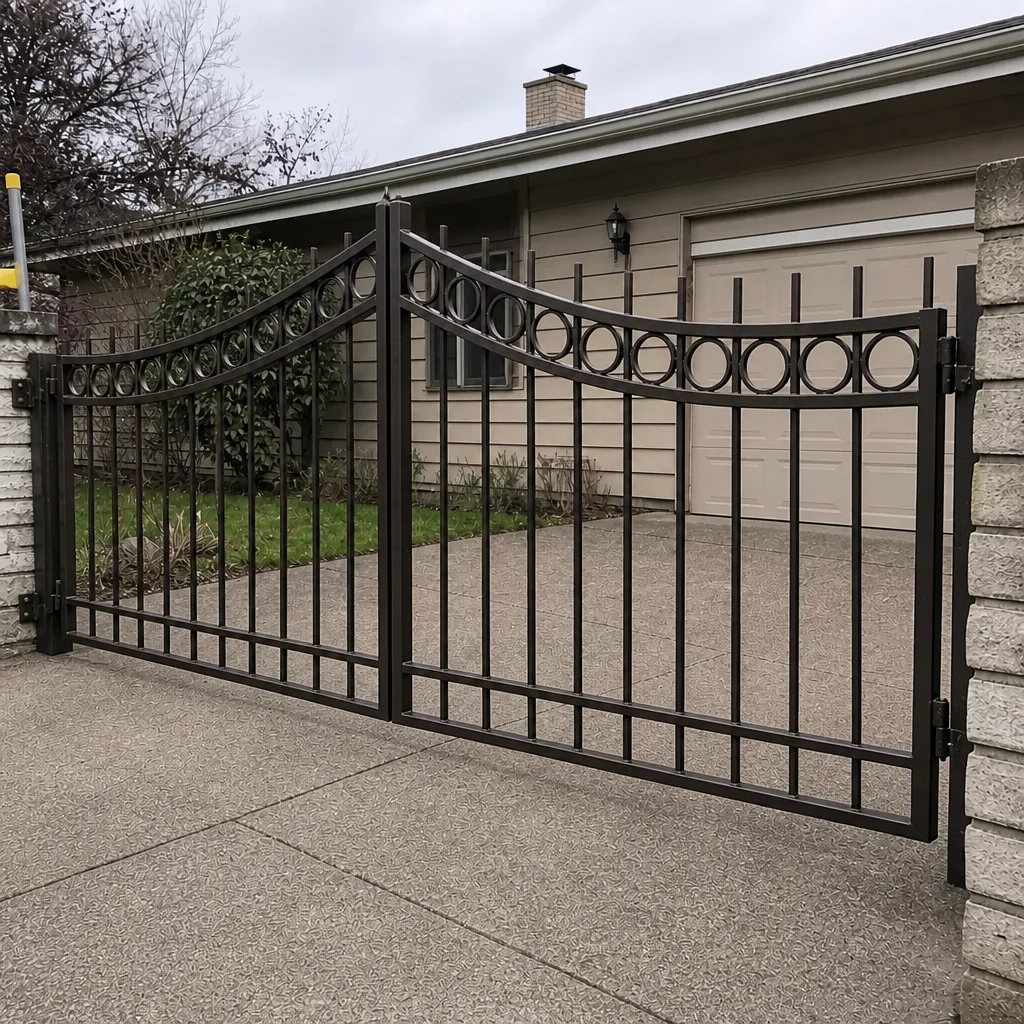
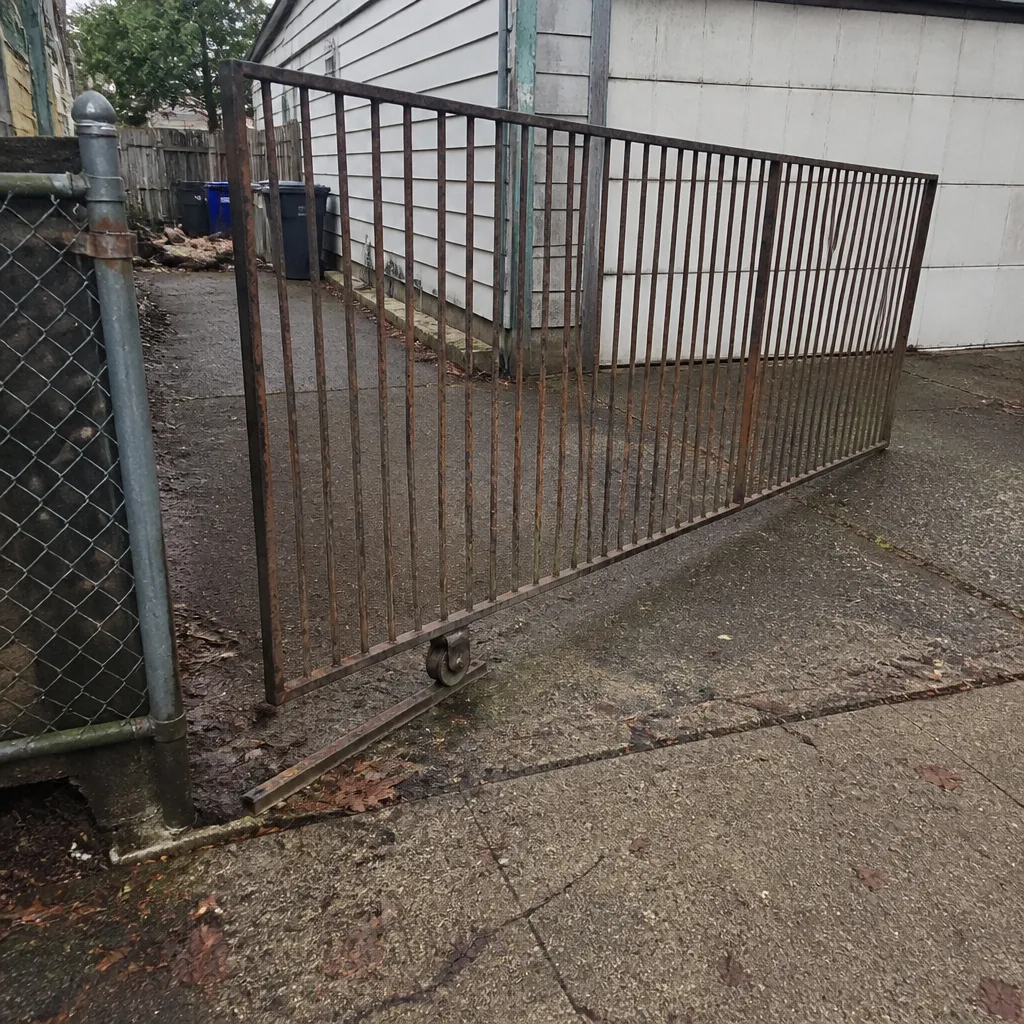
See the difference
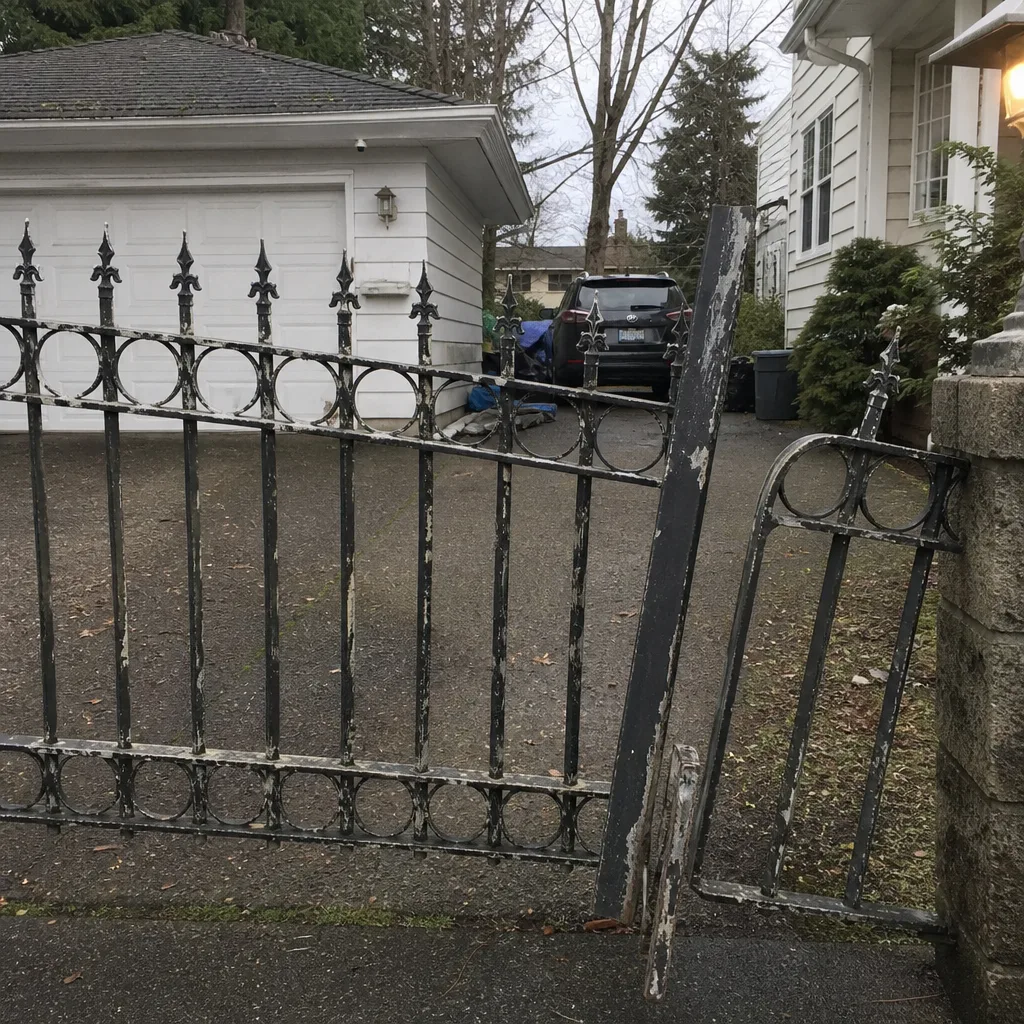 Before
 After
 Before
 After
 Before
 After
When to Call a Professional
Some gate problems are worth a phone call the same day. If the gate is stuck open and you can’t secure the opening with a barrier, call right away. If the gate is stuck closed and blocking a vehicle or blocking access for someone who needs it, that’s urgent. If the operator has been impacted by a vehicle, if the gate has stopped mid-travel and won’t reset, if the control board is showing fault codes you don’t recognize, or if you smell burning from the operator housing, stop using the gate and call. Gate Repair Everett offers free estimates in Everett. Call (844) 834-1197. We answer 24/7. Fast dispatch from 7am to 7pm, Sunday through Friday.
Frequently Asked Questions
Find your operator’s manual release, disengage it, and move the gate by hand. On a slide operator the release is usually a keyed lever, pull handle, or release chain on the housing; on a swing operator it’s a release pin or lever on the actuator arm; on a barrier arm it’s a keyed release on the cabinet. Before you disengage anything, make sure no one is in the gate’s path and keep hands out of the hinge and track zones. If the release won’t move, stop and call a technician, because the mechanism may be seized.
Yes. A gate stuck open leaves your property exposed, and in Everett the wet season makes it more likely that a stuck gate stays stuck, because power outages and shifted posts are common after storms. Secure the opening first with a chain, barricade, or locked manual gate, then troubleshoot the operator. Call (844) 834-1197 for an estimate once the opening is secured.
You can safely do the manual release, secure the opening, and check the basics like the remote battery and the breaker. You should not open the operator housing, adjust the control board, or attempt to repair wiring yourself; those carry real electrical risk. If the gate still won’t run after the basics, it’s time for a professional diagnostic.
Have the operator brand and model number, the gate type (swing, slide, or barrier arm), a description of what the gate is doing, any blinking lights or fault codes on the control board, and a note of any recent storm, outage, or impact. Also know how the technician will access the operator. That information lets the technician bring the right parts on the first visit rather than ordering them after a diagnostic trip.
Only if the operator has a working battery backup. Most LiftMaster, FAAC, BFT, and Linear operators can be fitted with backup batteries, but the batteries need to be tested and replaced periodically. A backup battery that hasn’t been tested in a year or more often fails on the first real outage. Test once a season by running a full cycle on battery power alone.
Label the manual release, test the battery backup, clear the track and hinge path after storms, check the posts for shifting, and keep the model number accessible. Schedule a diagnostic visit if the gate has been slow or noisy. Call (844) 834-1197 for a free estimate on any repair or preventive work. We answer 24/7. Fast dispatch from 7am to 7pm, Sunday through Friday.
The Bottom Line
Gate emergencies come in two shapes, and knowing which one you have changes your whole response. A gate stuck open is a security problem: secure the opening first, then use the manual release. A gate stuck closed is an access problem: check power, check the remote, try the manual release, and call for diagnostics if the gate still won’t move. Manual release works differently on a slide operator, a swing actuator, and a barrier arm, and it’s worth learning yours before you need it. Everett’s storms, power outages, and wet ground cause most of the failures we see, and a few preventive steps make the next one shorter. If you’re not sure what’s wrong, don’t force the gate. Call a gate specialist who knows your operator, and get the honest repair-or-replace answer.
Written by the team at Gate Repair Everett.