
Last updated November 16, 2026
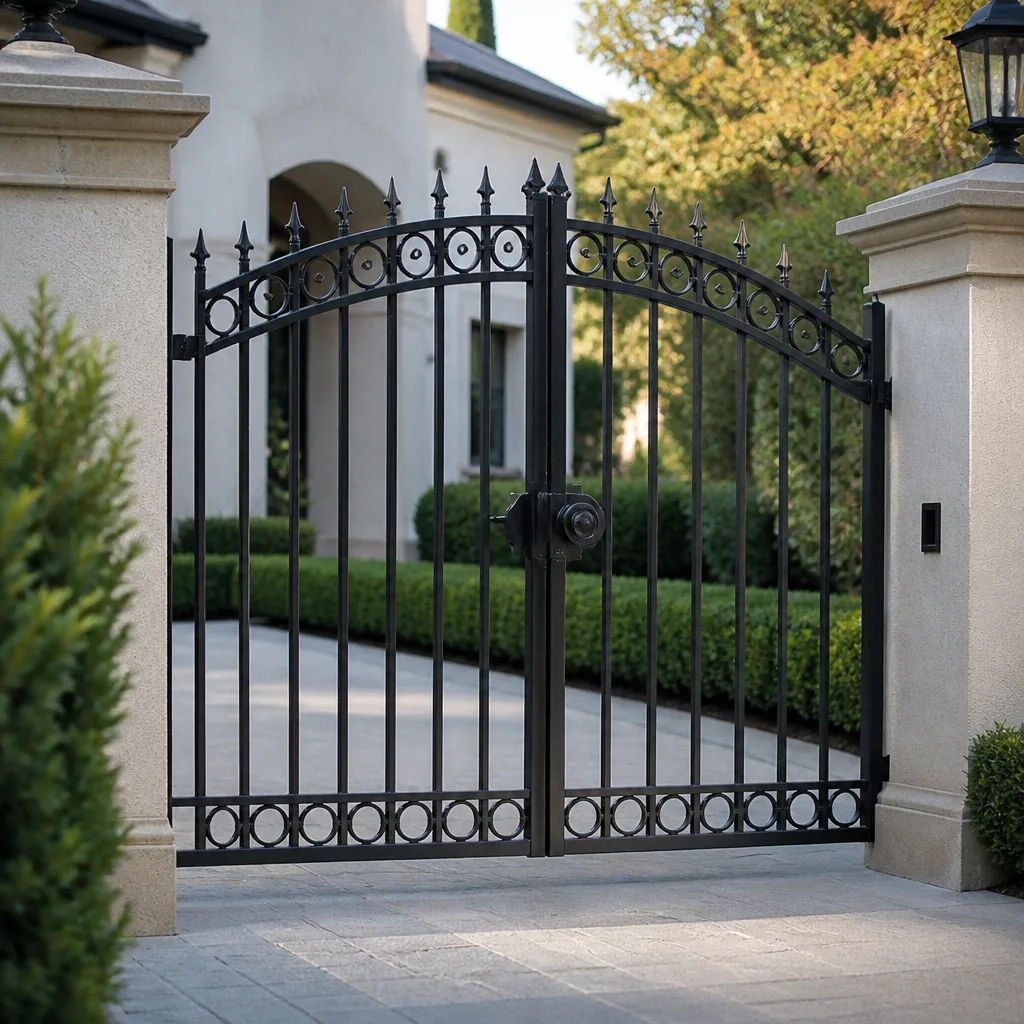 Wrought iron
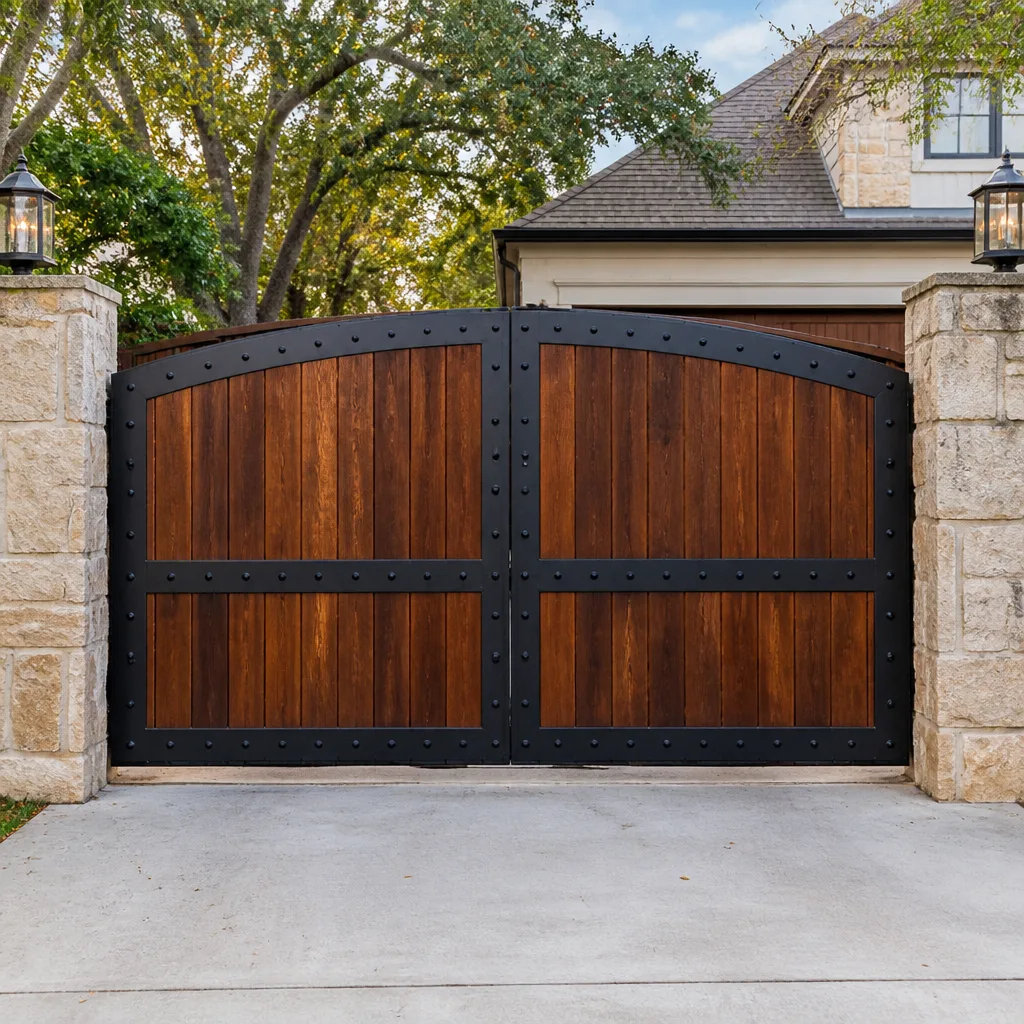 Wood & steel frame
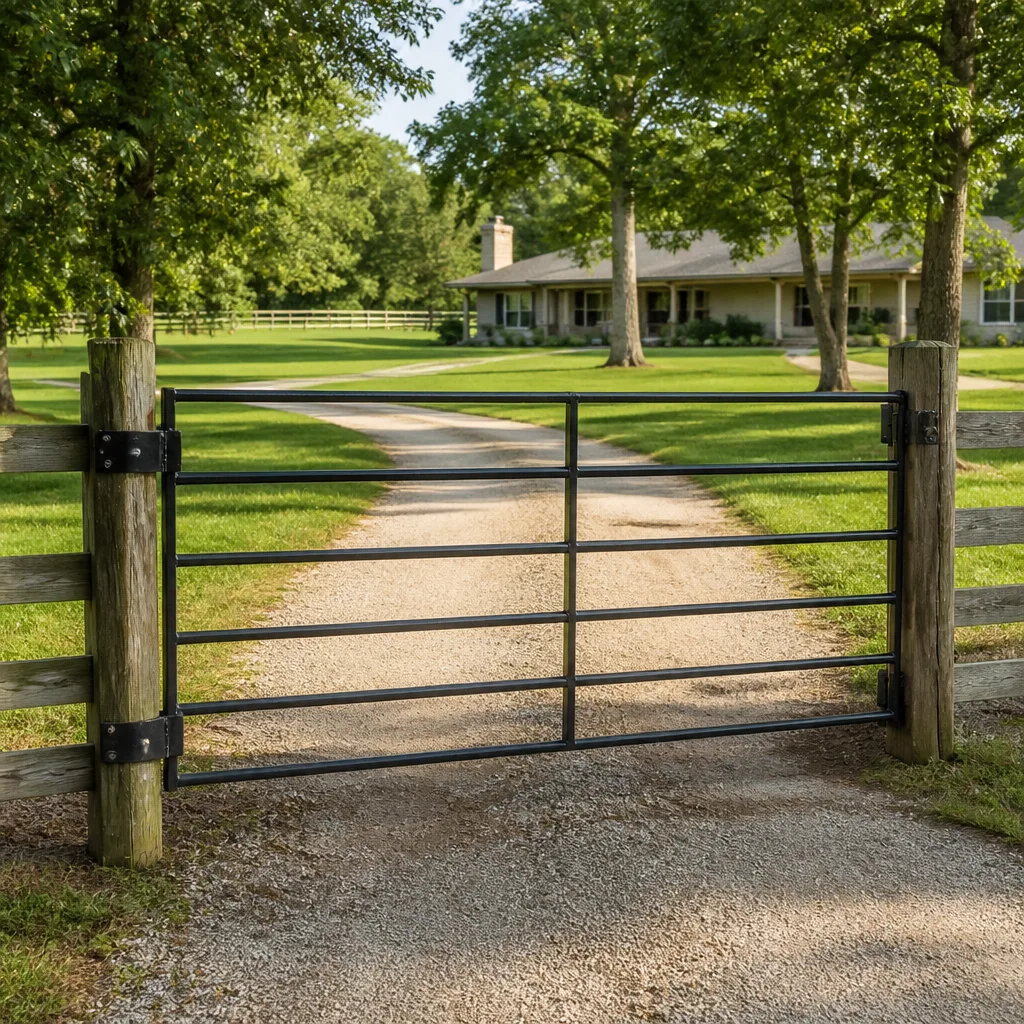 Farm & ranch
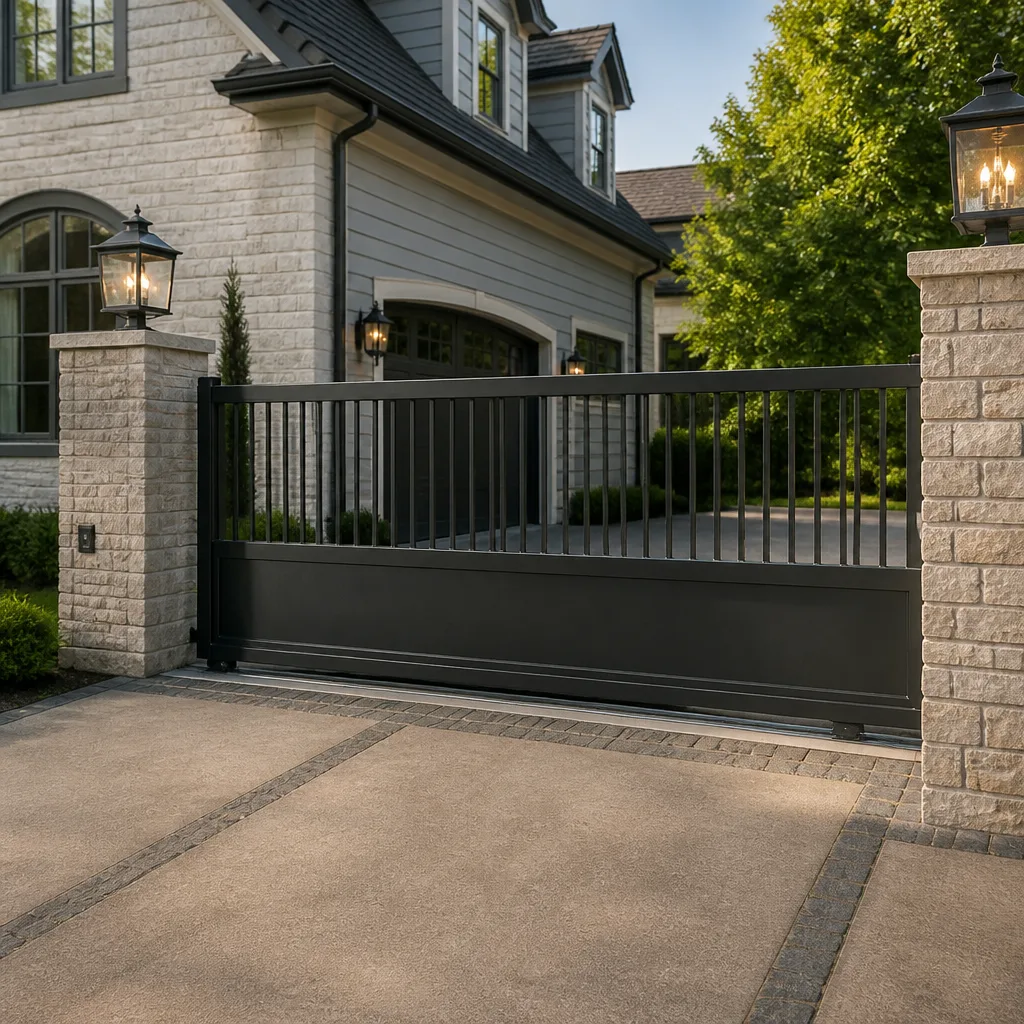 Sliding driveway gates
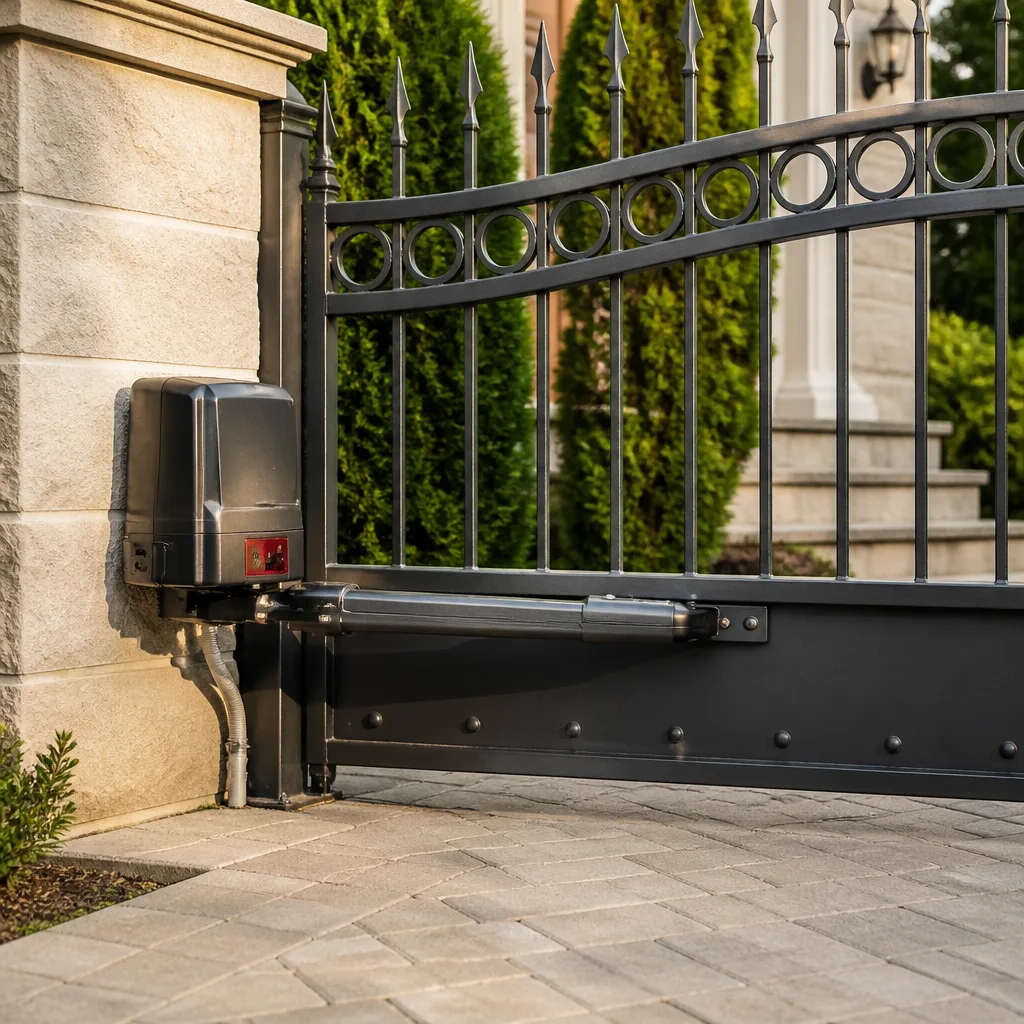 LiftMaster operators
Free on-site gate assessment - hinges, posts, and your LiftMaster or Nice gate operator checked before anything is quoted
The assessment is free and the quote is the invoice.
Get your free estimateGate Repair Maintenance Checklist for Everett Homeowners
The number-one cause of avoidable gate operator failure isn’t lack of lubrication. It’s accumulated debris in the drive chain and limit switch drift that goes unnoticed until the motor burns out. Most homeowners in Everett think about their gate exactly twice: when it stops working, and when they get the repair bill. In our experience, the failures that cost the most are the ones that gave plenty of warning and nobody was watching for it. This guide treats gate maintenance as a system audit, not a quick spray of WD-40. You’ll learn what to check by component, the tolerances you can actually measure, what’s safe to do yourself, and why an Everett winter demands more attention than any other season.
Quick Answer
A gate maintenance checklist for Everett homeowners should cover six component groups: the mechanical hardware (hinges, rollers, track), the drive system (chain or belt, sprockets, limit switches), the electrical supply and battery backup, the control board, the safety devices (photo eyes, loop detectors, safety edges), and the access control hardware (keypads, remotes, receivers). Check the mechanical and safety systems monthly, the electrical and control systems quarterly, and the full system after every major storm. November through February is the most demanding stretch in Everett, when wet leaves, debris, and freeze-thaw cycles stress every moving part at once.
Styles & brands we work with
- Wrought iron
- Wood & steel frame
- Farm & ranch
- Sliding driveway gates
- LiftMaster operators
Table of Contents
- Why Maintenance Is a System Audit, Not a Lube Job
- The Mechanical Checklist: Hinges, Rollers, Track, and Drive Chain
- Tolerance Thresholds You Can Actually Measure
- Electrical and Control Board Checks
- Safety Devices: Photo Eyes, Loop Detectors, and Safety Edges
- What You Can Check Yourself vs. What Needs a Technician
- How to Log Maintenance So a Technician Can Read It
- Everett Timing: Why November Through February Demands More
Why Maintenance Is a System Audit, Not a Lube Job
A gate operator is a system of interdependent parts, and each part tells you something about the health of the others. A chain that suddenly needs re-tensioning every few weeks is telling you a sprocket is wearing. A gate that clears the ground in July but drags in January is telling you a hinge has loosened or a post has shifted. Photo eyes that trip every morning are telling you something about debris, moisture, or a reflector that has rotated out of line. Reading those signals early is what separates a cheap repair from an expensive replacement.
The misconception we run into most often is that gate maintenance is a lubrication task. It isn’t. Lubrication is one line item on a list of twenty. In our experience working on LiftMaster and DoorKing systems across Snohomish County, the operators that fail early are rarely the ones that were under-lubricated. They’re the ones where nobody looked at the limit switches, nobody cleaned the track, and nobody noticed the battery backup had quietly gone dead over an Everett winter.
An audit-based approach means you check in a fixed order, every time, and you record what you see. That gives you a baseline. When something changes, you’ll know because you have a record from last month to compare against. Three things make this worth doing:
- Component failure is progressive. Limit switch drift, hinge play, and chain wear all develop slowly over weeks. Catching them at the “slightly off” stage is what keeps them from becoming emergency calls.
- Safety devices are invisible until they fail. Photo eyes and safety edges don’t announce their decline. They only fail when they’re needed.
- Seasonal stress is predictable. In Everett, the same stressors hit every year at roughly the same time. You can plan for that.
The rest of this guide walks through each component group in turn, with what “good” looks like and what warning signs you should be watching for.
The Mechanical Checklist: Hinges, Rollers, Track, and Drive Chain
The mechanical system is where diagnostics start because it’s the easiest to inspect and the most common source of operator overload. When a swing gate’s hinges stiffen or a slide gate’s rollers flatten, the motor has to work harder than it was designed to. That extra load shows up first as a slightly slower gate, then as an overheating operator, then as a burned-out motor or a blown control board. Catching mechanical drag early is the cheapest maintenance there is.
Walk the gate through a full open-and-close cycle by hand (with power off) and watch for these clues:
- Hinges (swing gates): The gate should swing smoothly through its full arc with one hand’s light pressure. Any grinding, squeaking, or requiring a firm push means the hinges are binding or worn. Grease them, then re-check. If the bind doesn’t clear, the hinge pin or bearing needs replacement.
- Rollers (slide gates): Each roller should spin freely and sit fully seated in its track. Flat spots, chips, or visible wear mean replacement. Rollers wear faster than most homeowners expect, and a worn roller can lift the gate out of the track under load.
- Track: Clear the track of leaves, grit, and debris. In Everett, wet leaves compact into the track channel and create drag that the motor fights every cycle. A clean track is the least expensive maintenance step you can take, and one of the most effective.
- Drive chain or belt: Look for slack, rust, kinks, and dry links. A chain should be lightly lubricated with a specific chain lubricant, not heavy grease (grease traps grit and accelerates wear). Check the sprockets for worn teeth or a “hooked” profile.
- Limit switches: These stop the gate at the correct open and closed positions. Watch whether the gate stops cleanly or drifts a few inches past its mark. Drift means the limit switch has moved or worn, and it will stress the motor if left uncorrected.
If the gate fails any of these checks, don’t force it through another cycle. A binding gate is a load the operator was never designed for. If you’re not sure what’s causing a drag, our gate repair team can diagnose it on a single visit and tell you whether it’s a hardware fix or a drive issue.
Tolerance Thresholds You Can Actually Measure
This is where most maintenance guides stop short. They say “check the gap” without telling you what a good gap looks like. Here are the tolerances that matter, in terms you can measure with common household tools.
- Gate gap alignment (swing gates): With the gate fully closed, the vertical gap between the gate frame and the fixed post or latch should be uniform from top to bottom. A gap that’s wider at the top than the bottom means the gate has sagged on its hinges. A visible difference of more than about a quarter inch between top and bottom is early sag and should be addressed before the hinge takes a permanent set.
- Gate-to-ground clearance: Should be consistent across the full swing or slide path. A gate that clears in one spot but drags in another has a track, roller, or post problem.
- Hinge play (swing gates): With the gate partially open, grab the outer edge and try to lift and wiggle it. Any up-and-down play at the hinge is wear. More than a small amount of side-to-side play means the hinge needs attention.
- Chain tension (chain-drive slide gates): With the gate at mid-travel, the chain should deflect slightly under finger pressure but not sag noticeably. As a general guide, a chain that sags more than roughly half an inch over a one-foot span is too loose and will eventually jump the sprocket. Belt-drive systems want the same principle: light tension, no visible sag, no binding.
- Roller-to-track fit (slide gates): The roller should seat fully without visible clearance at the top of the track. A roller that’s lifting out of the track under load is a safety concern and needs replacement.
These thresholds aren’t a substitute for a technician’s eye, but they give you a baseline. If the numbers drift between checks, you’ve caught something early.
Electrical and Control Board Checks
The electrical side of a gate system is where homeowner checks should stop and a technician should start. A gate operator runs at mains voltage, and a control board carries live circuits even when the gate appears dormant. Do not open the operator housing, do not probe wiring, and do not attempt to test a control board with a multimeter unless you are trained to do so. The safety caveat is not optional here. A trained professional should handle any task that requires opening an enclosure or making contact with wiring.
What you can do safely is observe the operator from the outside and record what you see:
- Battery backup: Most modern operators (DoorKing and LiftMaster units among them) have a standby battery that keeps the gate running through a power cut. Batteries age silently. Watch for a “battery low” indicator light if your operator has one, note whether the gate still runs during a brief outage, and flag a battery older than about four years for a technician to test.
- Error indicators: Many operators flash a stored error code via an LED on the housing. Note the pattern and any change from month to month. That code is a diagnostic shortcut when a technician arrives.
- Power supply: Note whether the operator is on a dedicated circuit. If the gate trips the breaker during a cycle, stop running it and call for electric gate repair. A breaker trip means real fault current and it should not be reset and ignored.
- Control board behavior: If the gate opens on command but won’t close, or closes but won’t open, or runs in one direction only, that’s usually a control board or limit circuit issue, not a mechanical one. Record the exact behavior: which direction fails, whether it responds to the remote, whether it responds to the keypad, and whether the safety devices are involved.
We work on the brand you already own, and brand fluency matters here. The failure patterns on an Elite control board differ from those on a Mighty Mule, and a technician who has seen both will diagnose faster than one reading a manual on arrival.
Safety Devices: Photo Eyes, Loop Detectors, and Safety Edges
Safety devices are the most important part of the system and the most frequently overlooked. A gate that closes on a person or a vehicle is a genuine injury risk, and the devices designed to prevent that failure are also the ones that quietly degrade with no obvious outward sign. Check them every month.
Here’s what “good” looks like for each:
- Photo eyes: The infrared beam between the two sensors should be uninterrupted. Check that both lenses are clean, unobstructed, and pointed at each other. Break the beam with your hand and confirm the gate reverses or stops. If it doesn’t, do not use the gate until a technician has inspected it. Photo eyes also lose alignment when a post shifts, and that’s a common Everett issue after a wet winter.
- Loop detectors: The buried wire loop that detects a vehicle at the gate should trigger the gate to hold open or reverse. Test with a vehicle, not by hand, because the loop responds to mass. If the gate fails to detect a vehicle, the loop may have been damaged by soil movement or rooting animals, and that’s a technician diagnosis.
- Safety edges: The physical bumper strip on the leading edge should be intact, mounted securely, and responsive to pressure. Press it lightly and confirm the gate reverses. Cracks in the rubber or a loose mount means replacement.
- Warning signs and pedestrian access: Confirm the warning signage is legible and the pedestrian path remains clear and unobstructed.
Integrate these checks into your monthly routine. Safety device failures are the one category where “we’ll get to it next month” is not an acceptable response.
What You Can Check Yourself vs. What Needs a Technician
A good maintenance routine is honest about its own limits. Some tasks are homeowner-safe. Others require diagnostic equipment and training, and attempting them yourself can void a warranty, cause injury, or make the original problem worse.
Homeowner-safe tasks:
- Clear debris from the track and the swing path.
- Inspect hinges, rollers, and the drive chain visually and by hand.
- Lubricate hinges and the chain with the correct lubricant.
- Test photo eyes, the safety edge, and the loop with a vehicle.
- Note error codes, unusual sounds, and any behavior change in a log.
- Record the date of each check and the condition observed.
Technician tasks:
- Opening the operator housing or control board enclosure.
- Testing the battery, the power supply, and any live wiring.
- Adjusting limit switches, which requires the operator’s calibration procedure and a safe test cycle.
- Replacing photo eyes, loop detectors, or safety edges.
- Diagnosing control board faults, motor faults, or access control receiver problems.
- Replacing a sprocket, a hinge, or any load-bearing hardware that has worn out.
If your check turns up a problem on the technician list, don’t force the gate through another cycle while you wait. Our Gate Repair Everett team diagnoses electrical, mechanical, and control board faults rather than recommending a full replacement when a targeted repair will do.
How to Log Maintenance So a Technician Can Read It
A maintenance log is the highest-value thing a homeowner can build, and it takes about a minute a month. When a technician arrives, a good log cuts diagnosis time dramatically, because the failure pattern is visible on paper. Here’s a simple structure:
- Date and season. Note the month, and mark it as a winter or non-winter check.
- Component group checked. Mechanical, electrical, control board, safety devices, access control. One line each.
- Condition observed. “Chain slightly loose” or “photo eye tripped twice this month” is enough. Note any drift from last month’s entry.
- Action taken. Lubricated, re-tensioned, cleared debris, or “flagged for technician.”
- Behavior notes. Anything the gate did that seemed off: pauses, reversals, unusual noises, or a remote that needed two presses instead of one.
When you do call for service, read the last several entries to the technician. They’ll know which component group is drifting and where to focus first. That’s how a single visit turns into a targeted repair instead of a diagnostic hunt.
If your gate is in the Everett area and you’re starting a log from scratch, that’s a fine place to begin. Call (844) 834-1197 for a free estimate on a first full-system check.
Everett Timing: Why November Through February Demands More
Everett’s climate is the reason this guide has its own section on timing. The stretch from November through February is the most demanding season for gate systems in the region, and it stresses every part of the gate at once. Here’s what’s actually happening:
- Wet leaves and debris. Fallen leaves land in the track and swing path, compacting under the gate’s weight and creating drag that the motor fights every cycle. This is a daily check during leaf season, not a monthly one.
- Freeze-thaw cycling. Repeated freezing and thawing works on post footings, track mounts, and hinge hardware. A post that was solidly set in October can shift slightly by February, and a shifted post moves the limit switch and photo eye alignment with it.
- Moisture at electrical connections. Wet conditions accelerate corrosion at exterior wiring connections and worn seals. That’s when intermittent faults start showing up.
- Hinge and roller stiffness. Cold, damp weather thickens lubricant and stiffens hardware, adding to the load on the operator and speeding up wear.
Jumping off the end of the rainy season into March, check the gate again at the end of that run. Moisture-related faults often show up after the wet season ends, not during it. Our technicians have up to experience with Northwest gate systems and understand the failure patterns of every brand we service. Call (844) 834-1197. We answer 24/7. Fast dispatch from 7am to 7pm, Sunday through Friday.
Common Mistakes to Avoid
- Over-greasing the drive chain. Heavy grease traps grit and grinds the chain and sprocket. Use a specific chain lubricant, applied lightly, and wipe off the excess.
- Resetting a tripped breaker without investigating. If the breaker trips during a gate cycle, that’s real fault current. Reset once, and if it trips again, stop and call for electric gate repair.
- Ignoring a slow drift in limit switch position. A gate that stops two inches past its mark today will be three inches past it in a month, and stress on the motor climbs with it.
- Assuming the photo eyes still work because the gate closes. A gate will close with dead photo eyes until the day a hand or a vehicle is in the path. Always break the beam and confirm the gate reverses.
- Cleaning the track only in summer. Everett’s leaf season and wet weather make the track the single hardest-worked part of the system in fall and winter. Clean it during leaf season, not after.
- Using a general handyman for a control board fault. Gate operators have model-specific diagnostic procedures. A generalist treating a DoorKing like a Mighty Mule can cost you a replacement board.
- Skipping the log. Without a record, every service call is a cold start, and it’s the pattern in the log that tells a technician which component group is drifting.
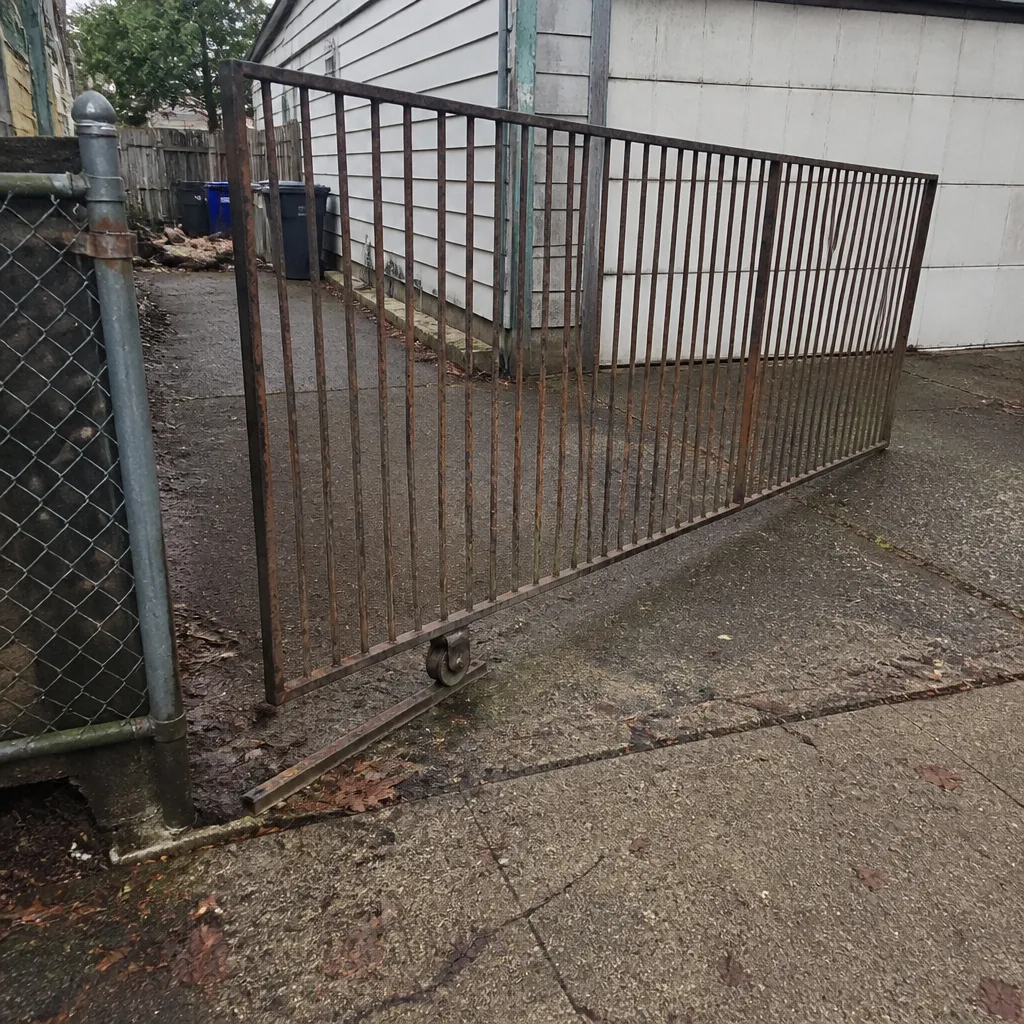
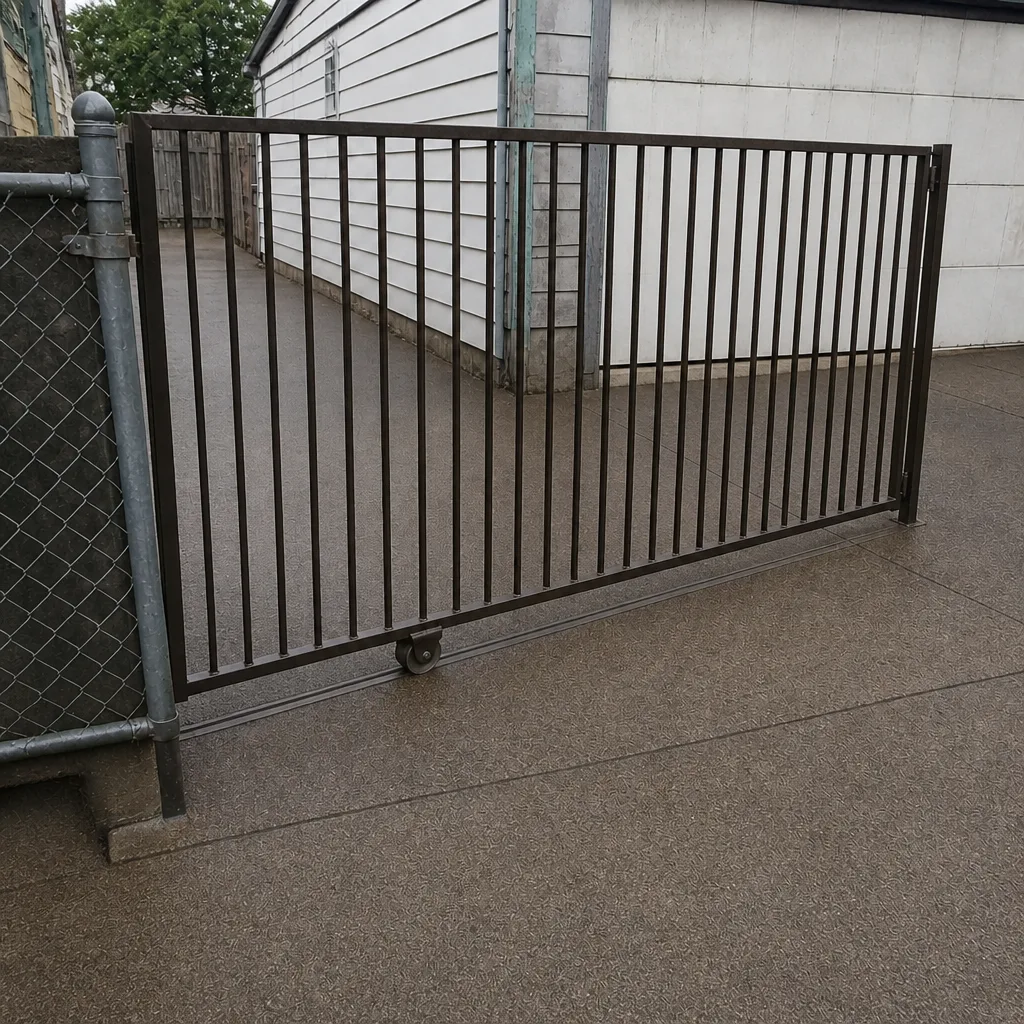
See the difference
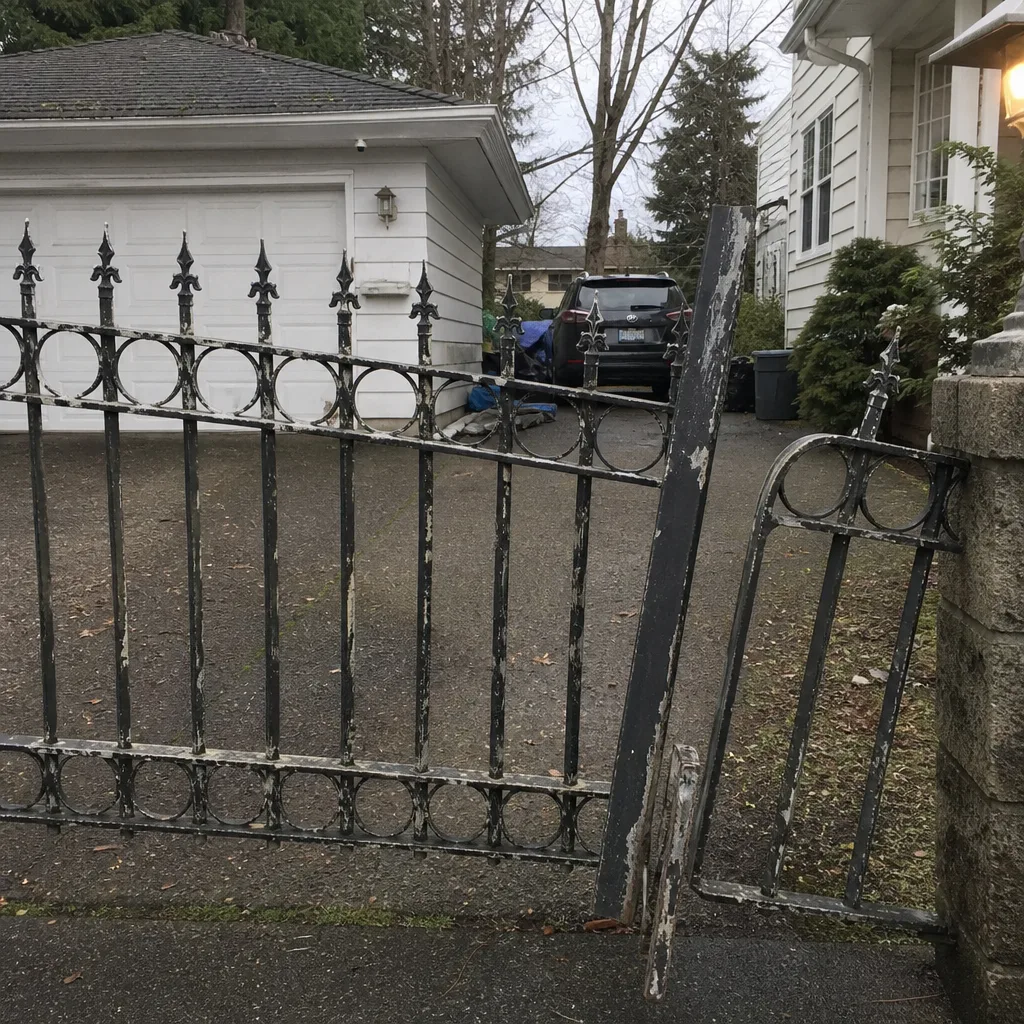 Before
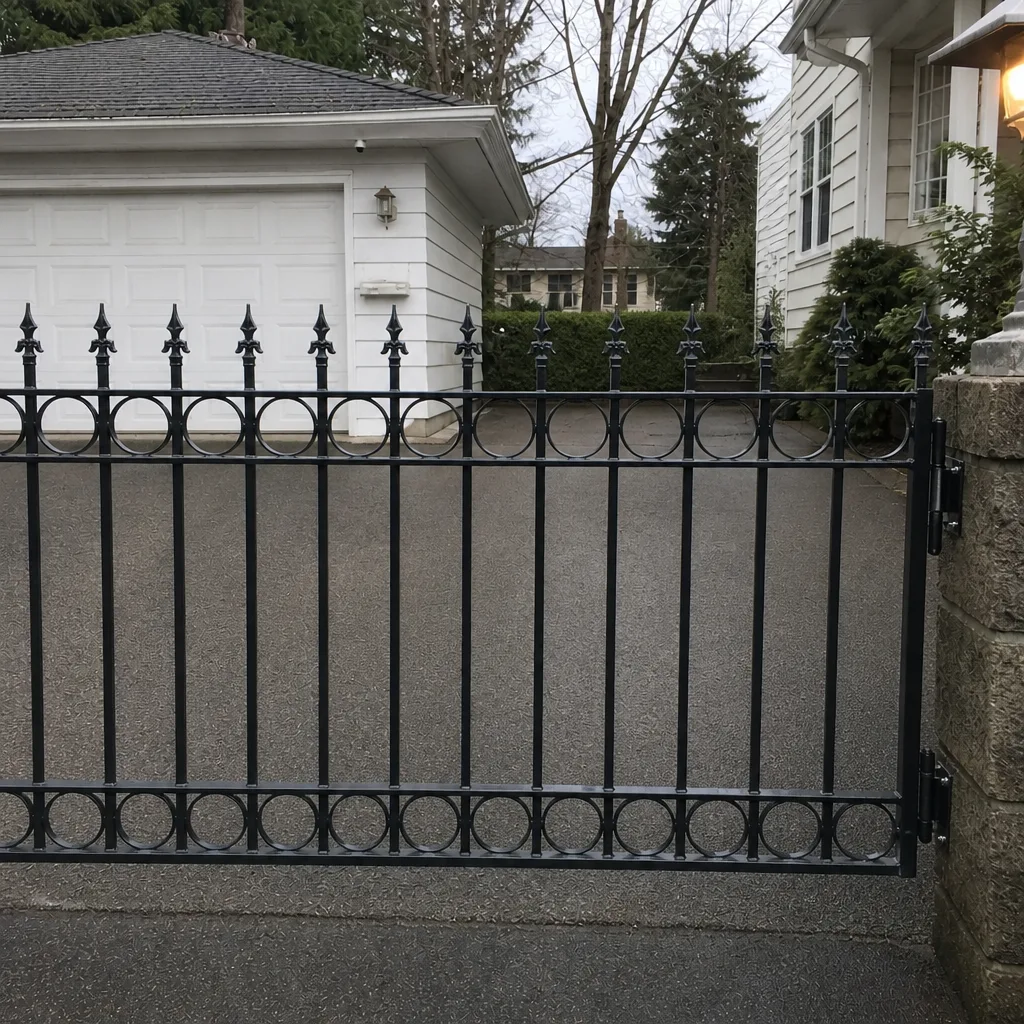 After
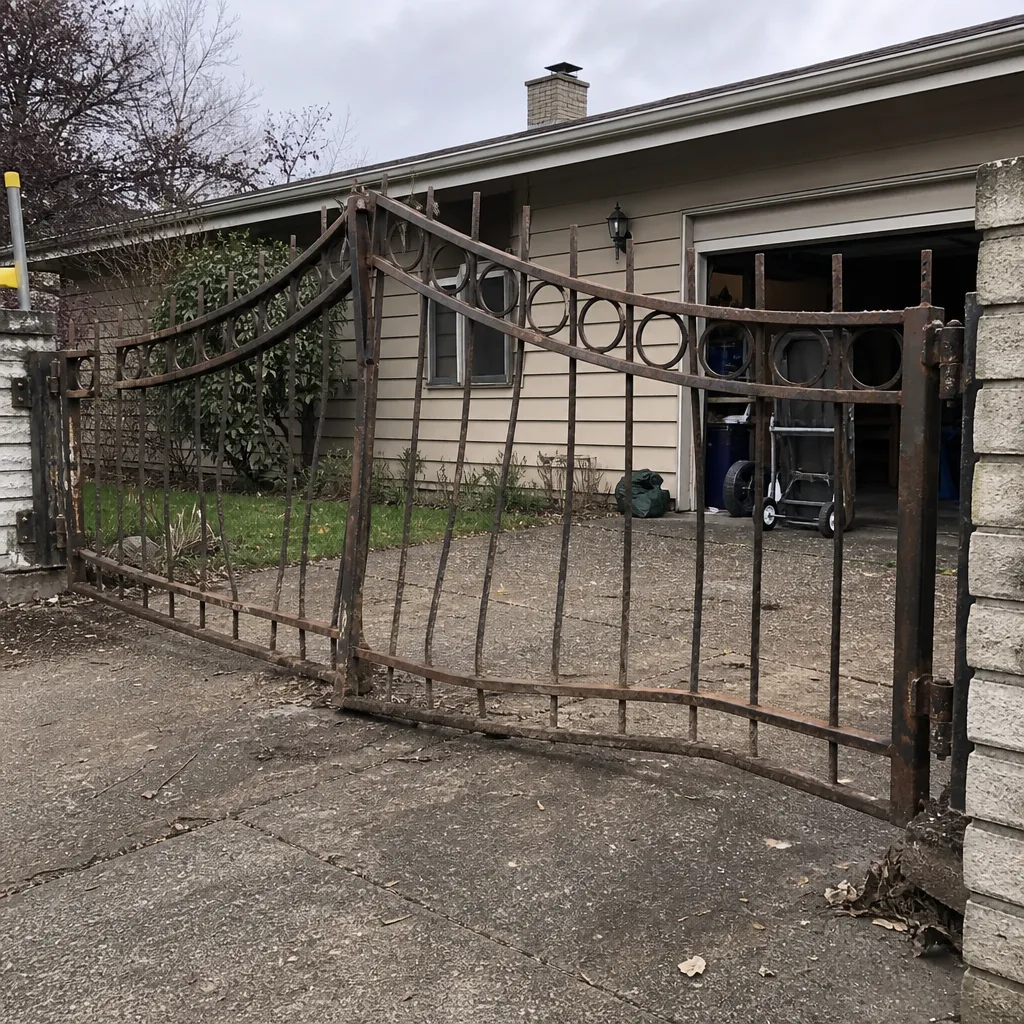 Before
 After
 Before
 After
When to Call a Professional
Call a professional when the gate reverses at random, stops mid-cycle, trips the breaker, or fails to respond to the remote in one direction only. Call when you see a visible sag in a swing gate, a slide gate that lifts out of the track, cracked safety edges, or photo eyes that no longer trip the gate. Call when the operator housing shows a stored error code you don’t recognize, when the battery backup hasn’t been tested in years, or when the gate has gone through another cycle while something was clearly off. Gate Repair Everett offers free estimates in Everett. Call (844) 834-1197.
Frequently Asked Questions
Check the mechanical and safety devices monthly, the electrical and control board items quarterly, and the full system after any major storm. During the November through February stretch in Everett, increase the mechanical and safety checks to weekly, because debris and freeze-thaw cycles move faster than the monthly schedule can track. A monthly check catches the slow drifts; a weekly winter check catches the seasonal stress before it turns into a repair.
The most common cause is accumulated debris in the drive chain or track combined with unnoticed limit switch drift. Both create ongoing load on the motor, and the motor or control board fails before the underlying cause is caught. Regular track cleaning and periodic limit switch checks address most of the risk. If the motor has already failed, call (844) 834-1197 for a free estimate.
Yes, lubricating hinges and the drive chain is a homeowner-safe task. Use a specific chain lubricant for the chain and light hinge grease for swing gate hinges, applied sparingly. Over-greasing is a common error that traps grit and speeds wear. Anything that requires opening the operator housing or touching live wiring is a technician task, not a homeowner one.
Break the beam between the two photo eye sensors with your hand and confirm the gate reverses or stops. Do this test monthly. If the gate keeps closing, stop using the gate and call for service immediately, because the safety function has failed. Photo eyes are a genuine safety device, and a failed one should be treated as an emergency, not a maintenance item.
Everett’s winter climate stresses gate systems on four fronts: wet leaves in the track, freeze-thaw movement of posts and mounts, moisture at electrical connections, and stiff hinges and rollers. The result is more drag on the motor, more drift in limit switches and photo eyes, and more intermittent electrical faults. Winter checks should be more frequent and focused on the mechanical and safety components.
No. Control board diagnostics require opening the enclosure and testing live circuits, and a mistake can damage the board or cause serious injury. A technician with the right diagnostic equipment can confirm whether the fault is a board, a motor, a limit circuit, or an access control receiver, and recommend a targeted repair rather than a full replacement. Call (844) 834-1197 for a free estimate.
The Bottom Line
Gate maintenance is a system audit, not a lubrication task. Check the mechanical, electrical, control board, safety, and access control components on a fixed schedule, measure the tolerances that matter, and log what you see so a technician can read the pattern. Everett’s winter demands the most attention between November and February, when debris, freeze-thaw cycles, and moisture stress every part of the system at once. Handle the homeowner-safe tasks yourself, and call a professional the moment a safety device fails or a control board fault appears. Back to secure in one visit starts with knowing what to look for.
Call (844) 834-1197 for a free estimate. We answer 24/7. Fast dispatch from 7am to 7pm, Sunday through Friday.
Written by the team at Gate Repair Everett.