
Last updated November 16, 2026
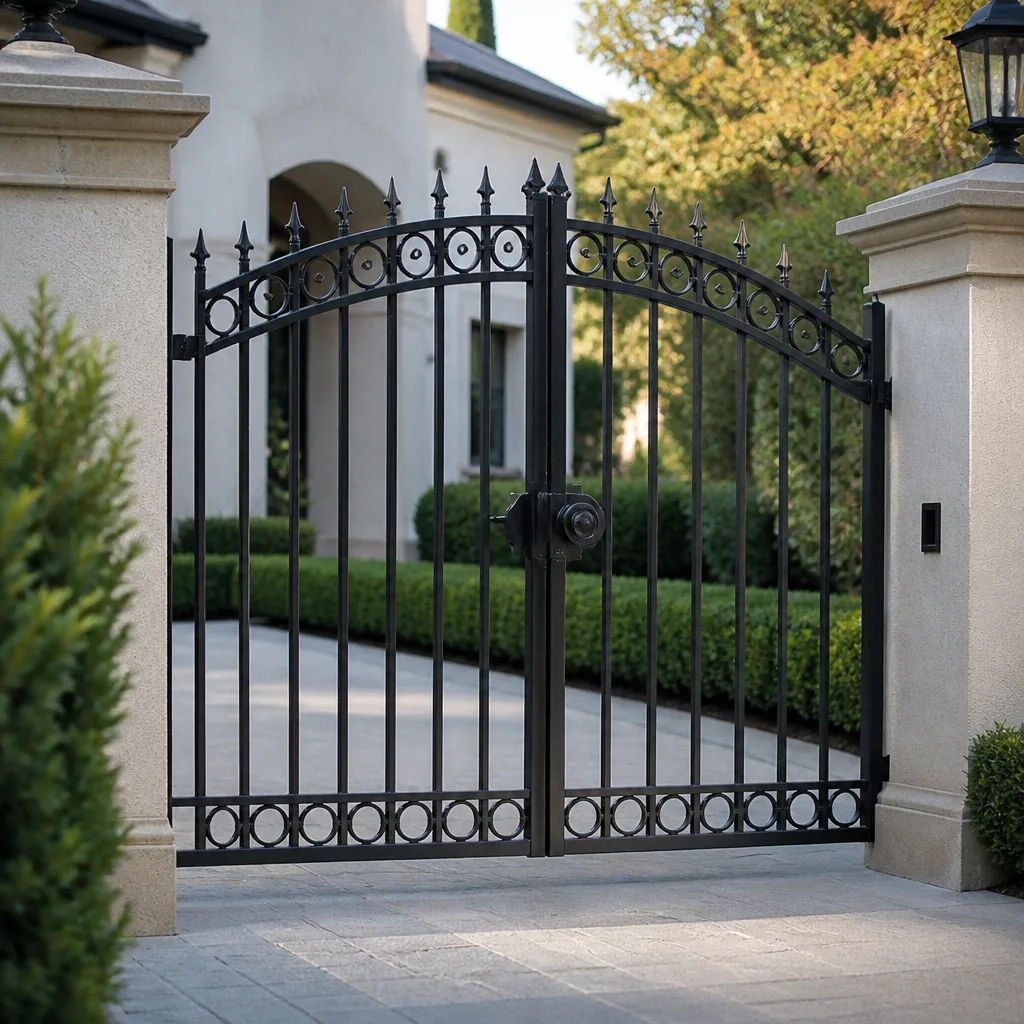 Wrought iron
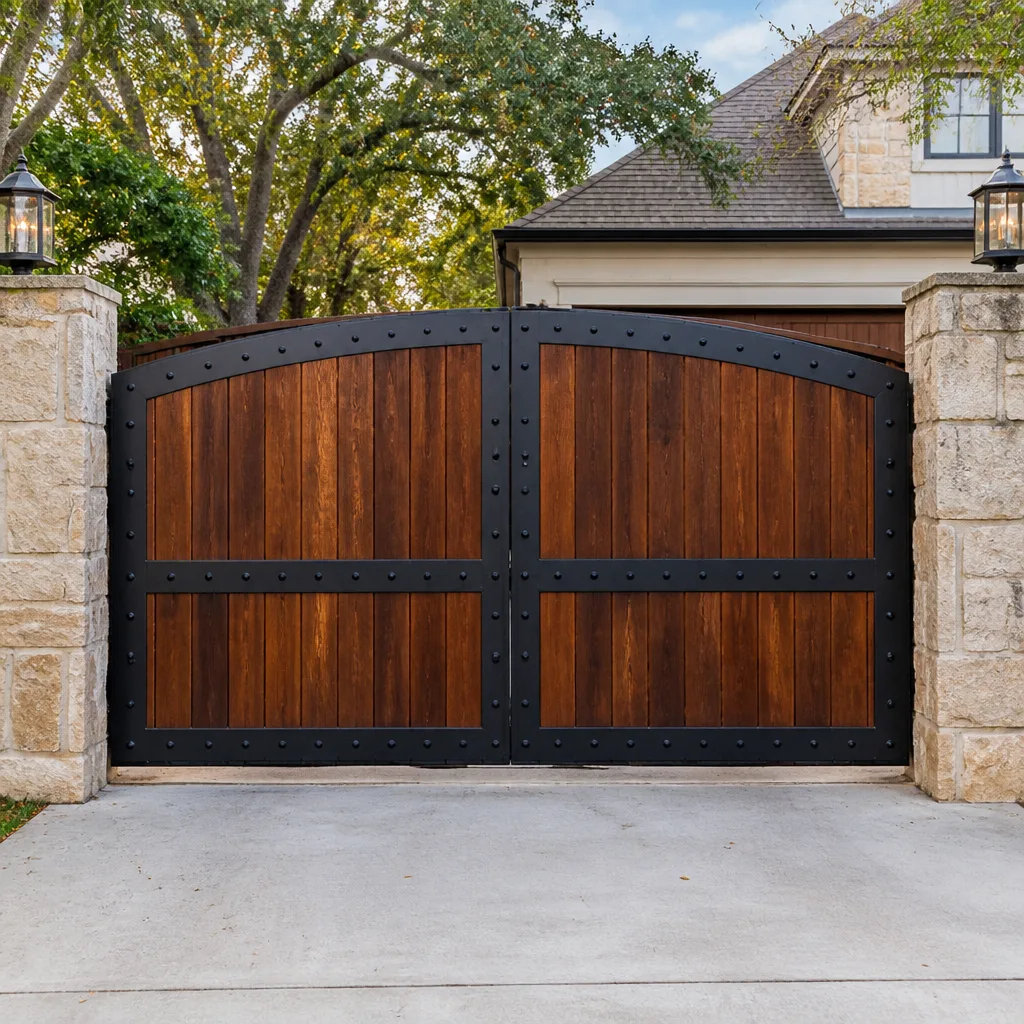 Wood & steel frame
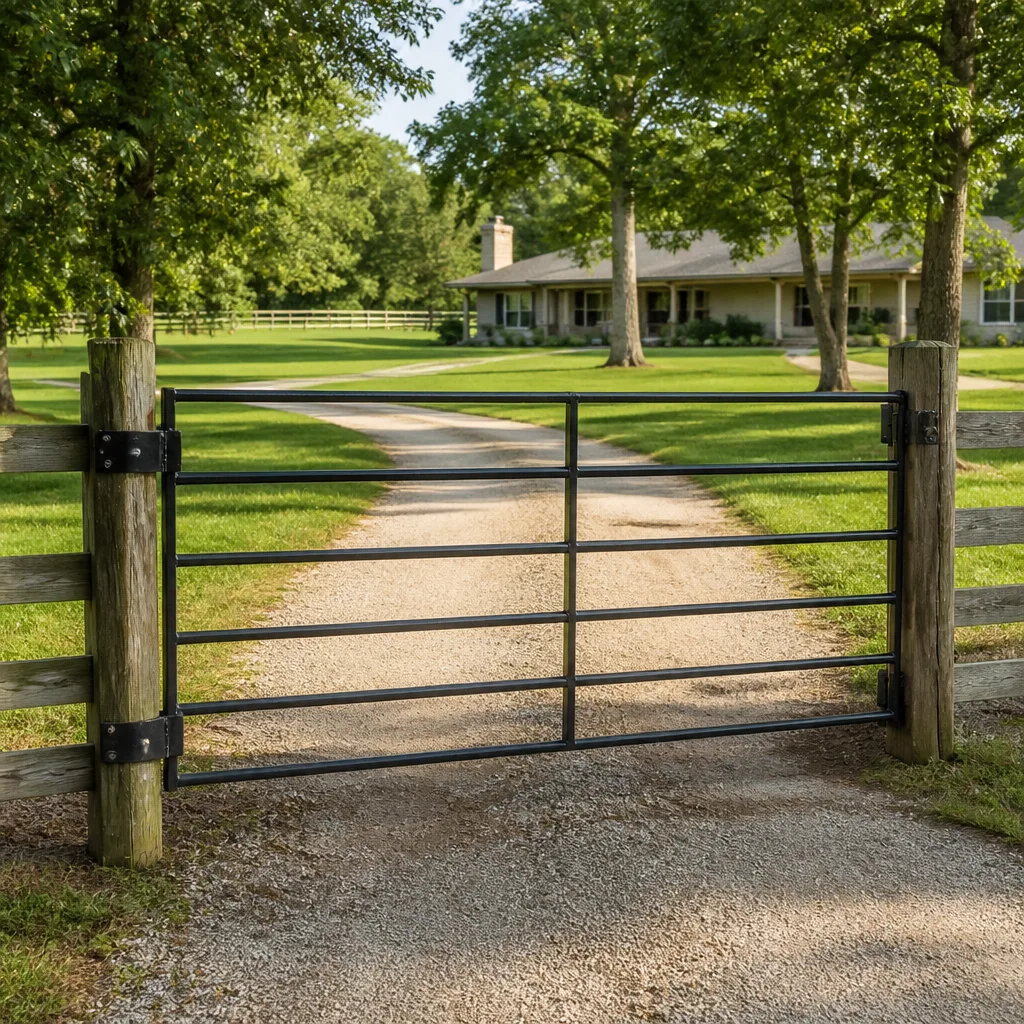 Farm & ranch
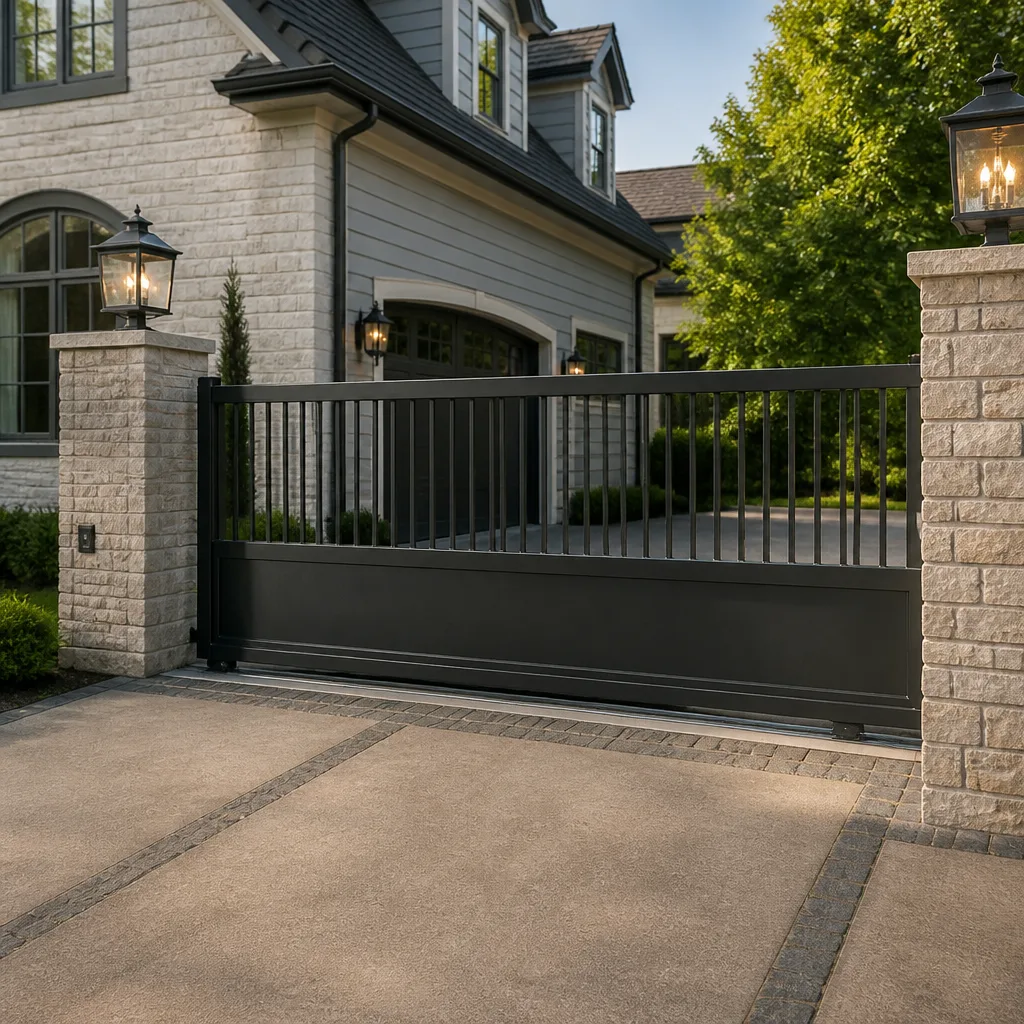 Sliding driveway gates
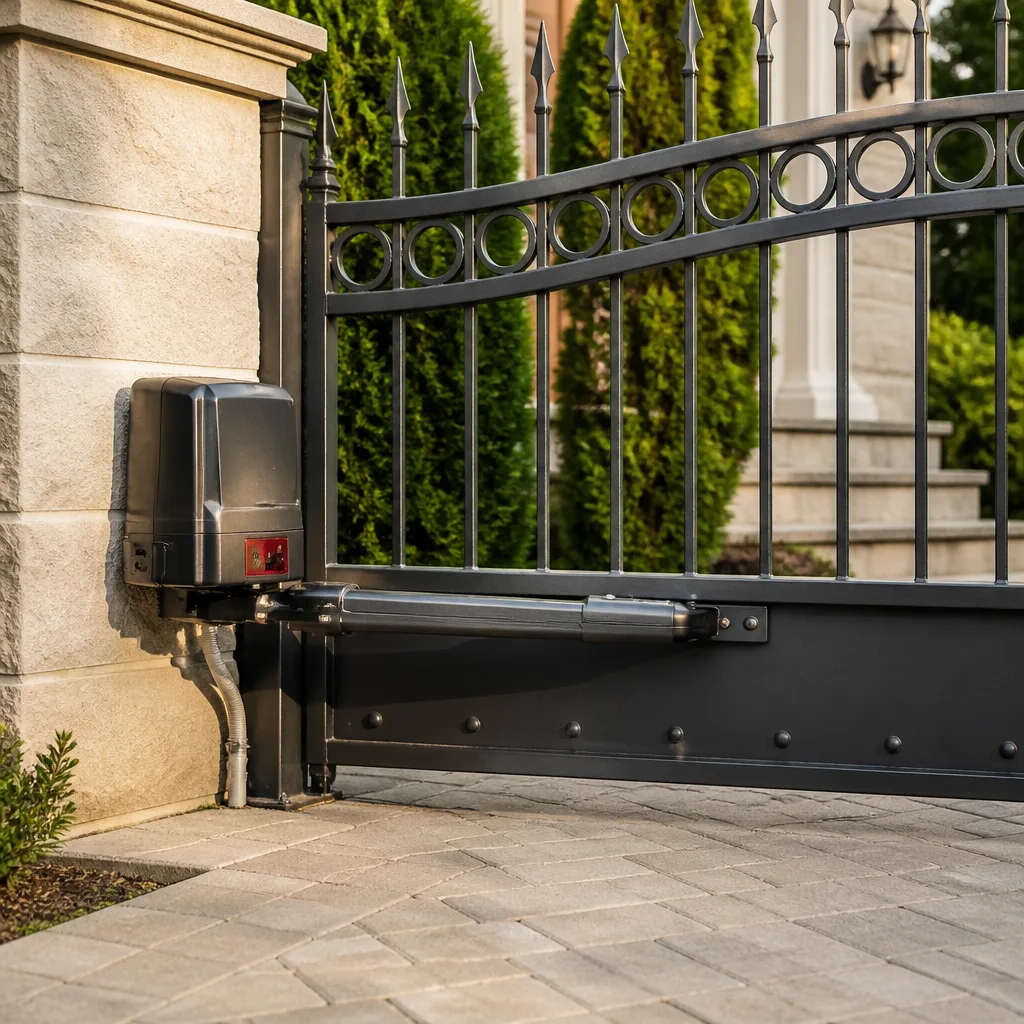 LiftMaster operators
Free on-site gate assessment - hinges, posts, and your LiftMaster or Nice gate operator checked before anything is quoted
The assessment is free and the quote is the invoice.
Get your free estimateGate Repair Troubleshooting in Everett: Common Problems and How to Fix Them
A gate that “just stopped working” almost never just stopped working. Something in a short, predictable chain broke first – a corroded terminal, a limit switch knocked out of position, a control board that took on water – and the dead gate is simply the last link telling you about it. Most troubleshooting goes wrong because people start at the gate and work backward, guessing at parts. It works far better to start at the power source and follow the signal forward. In this guide we’ll walk through that signal chain step by step, cover the failures Everett’s wet winters make worse, explain what your operator’s beeps and flashes are actually telling you, and show you where DIY stops making sense. By the end you’ll know how to rule out most of the easy culprits yourself – and when it’s time to call in a technician.
Quick Answer
Most automatic gate problems in Everett trace to one of five root causes: a power interruption, a failed control board, misaligned limit switches, a worn drive mechanism, or a physical obstruction the gate can’t clear. Diagnose them in that order – power first, then control board, then limits, then the drive, then obstructions – and you’ll identify the source far faster than by inspecting the gate itself. If the operator is completely dead, suspect power or the board. If it beeps or flashes but won’t move, the fault usually sits deeper in the chain.
Styles & brands we work with
- Wrought iron
- Wood & steel frame
- Farm & ranch
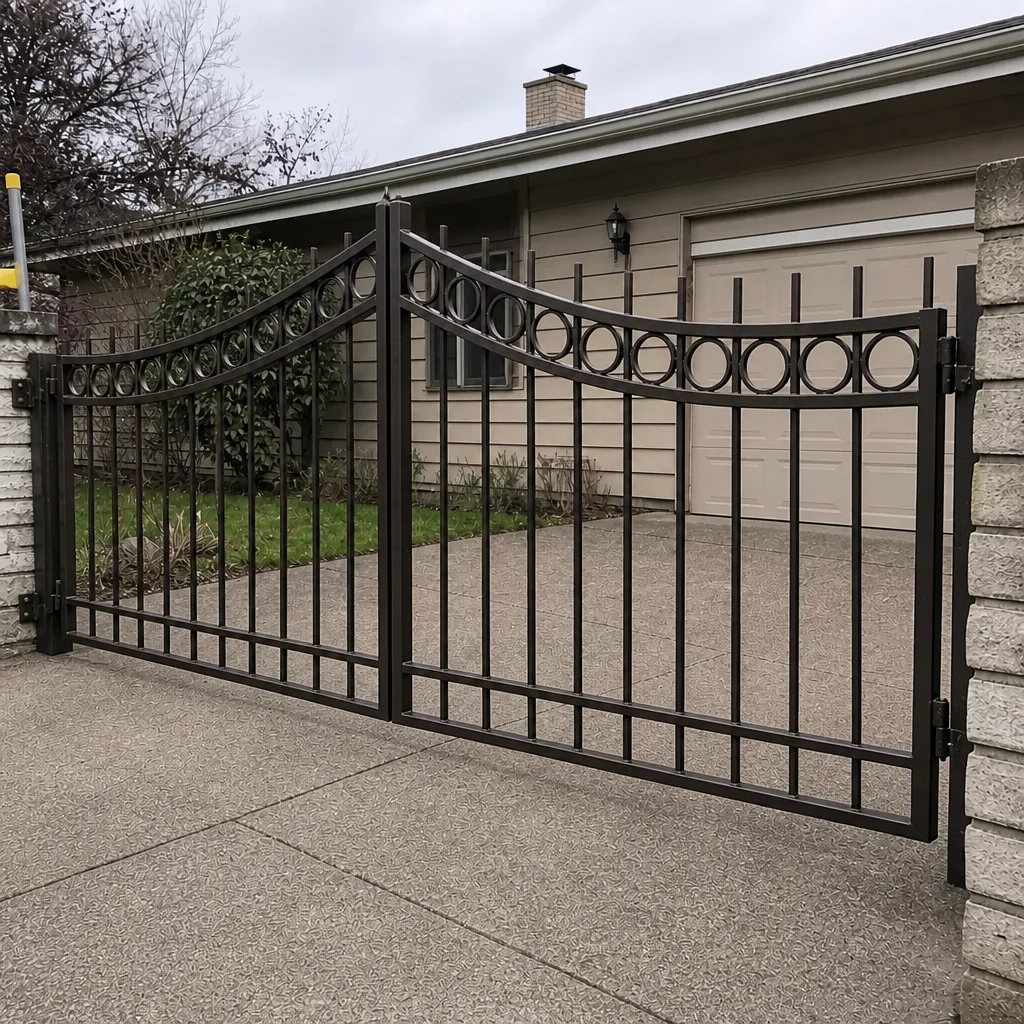
- Sliding driveway gates
- LiftMaster operators
Table of Contents
- The Signal Chain: How to Diagnose a Gate in the Right Order
- Soft Faults vs. Hard Faults: What Your Operator Is Telling You
- Why Everett Winters Break Gates in Predictable Places
- Brand-Specific Quirks: Reading the Right Diagnostic Language
- Three Symptoms You Shouldn’t DIY
- Repair or Replace: How to Decide
- Prevention: Keeping an Everett Gate Running Through the Wet Season
The Signal Chain: How to Diagnose a Gate in the Right Order
An automatic gate is a system, not a single machine. The command travels from your power source, through the control board, into the limit switches, out to the drive mechanism, and finally into the physical gate itself. A failure anywhere along that line produces the same symptom – a gate that won’t move – which is exactly why random troubleshooting wastes so much time. Work the chain in order and you rule out the easy links before you ever pick up a screwdriver.
- Power source. Confirm the breaker hasn’t tripped and the operator has live power at its terminals. A tripped breaker or a loose feed is the single most common “dead gate” cause, and it’s the first thing to check.
- Control board. Look for indicator lights, a display, or a diagnostic flash pattern. A board that shows no sign of life despite good power is a strong candidate for replacement.
- Limit switches. These tell the operator where the gate starts and stops. If they’ve shifted, the gate may run partway and reverse, or refuse to move at all.
- Drive mechanism. The motor, actuator, or gear train actually moves the gate. Grinding, humming without movement, or a motor that runs hot points here.
- Physical obstruction. Debris, a swollen post, a sagging hinge, or a track packed with grit can stall a perfectly healthy operator.
This order matters because each step depends on the one before it. There’s no point testing the motor if the board isn’t sending it a command, and no point replacing a board if the breaker is simply off. Following the chain in sequence eliminates guesswork. If you’re comfortable with basic electrical checks, the first link is worth verifying yourself; past that, the work gets more technical.
Soft Faults vs. Hard Faults: What Your Operator Is Telling You
Before you diagnose anything, classify the failure. A soft fault is when the operator still powers on and responds – it beeps, flashes, displays a code, or tries to move and stops. A hard fault is total silence: no lights, no sound, no response whatsoever. That single distinction tells you where in the signal chain to start looking.
Soft faults point to the control board, limits, or drive
If your operator comes to life but refuses to complete a cycle, the power is reaching it and the board is running. The problem sits further down the chain – a limit switch reading the wrong position, a safety sensor seeing an obstruction that isn’t there, or a drive component that’s worn. Soft faults are usually the most diagnosable, because the operator itself is broadcasting clues through its beeps and flashes.
Hard faults point to power or the board
A completely silent operator narrows things fast. Either power isn’t reaching the unit, or the board that distributes it has failed. Check the breaker and the feed first. If power is confirmed and the operator stays dark, the control board is the prime suspect. On older units, a dead board is sometimes the moment to weigh repair against replacement.
When homeowners describe the problem, the most useful thing they can tell a technician is which category it falls into. “It beeps twice and flashes but never moves” is a very different call than “it’s completely dead.” In our experience, that one detail saves a diagnostic step before anyone arrives.
Why Everett Winters Break Gates in Predictable Places
Everett’s wet, gray winters are hard on gate hardware in ways that dry-climate troubleshooting guides never address. Months of steady rain and damp air, combined with the freeze-thaw cycles that show up through the colder stretches, accelerate specific failure points. If you live in Everett and your gate acts up every winter, you’re not imagining it – and the culprit is usually one of these.
- Corroded terminals. Moisture works its way into electrical connections at the operator and the control board. Green or white corrosion on a terminal blocks the current and produces intermittent faults that come and go with the weather.
- Swollen wood posts. Wooden gate posts absorb water and swell, throwing the gate out of alignment and binding hinges that worked fine in summer. A gate that drags in January often sits level by spring.
- Waterlogged loop detectors. Driveway loop detectors, common on commercial and HOA entrances, can take on water when the ground saturates. A flooded loop reads as a permanent “vehicle present” signal, and the gate stays open.
- Seized hinges and rollers. Dampness plus grit makes hinges and slide-gate rollers stiff. The operator has to work harder, and the extra load shows up first as strain on the motor.
- Frozen or saturated ground sensors. Safety edges and ground-level sensors can misread when the soil is soaked or frost is present, triggering phantom obstructions.
This is why a gate that ran perfectly all summer can fail the first week of the wet season. It’s not bad luck; it’s water finding the weak points it always finds. If your property is in Everett and the gate begins misbehaving right as the rains set in, that timing alone narrows the diagnosis.
Brand-Specific Quirks: Reading the Right Diagnostic Language
Every operator brand speaks its own diagnostic language, and reading it correctly is half the battle. A flash pattern or error code that means one thing on a consumer-grade unit can mean something entirely different on a commercial operator. This is exactly why brand fluency matters in troubleshooting – and why we work on the brand you already own rather than steering you toward a replacement.
Consumer-grade vs. commercial diagnostics
Units like a Mighty Mule or a Ghost Controls operator typically signal faults through simple beep and flash codes aimed at a homeowner. The same number of flashes can mean “obstruction” on one and “limit fault” on another, so the guide for your exact model is the only reliable decoder. Commercial-grade operators – FAAC and BFT among them, along with Linear and Viking on the access-control side – often use richer diagnostic displays or flash sequences tied to specific subsystems, which tell a trained technician far more about the failure. A FAAC diagnostic flash sequence is not the same message as a Mighty Mule error code, and treating them alike sends you chasing the wrong part.
Why model-level knowledge speeds up diagnosis
Brand-specific experience means recognizing failure patterns that repeat across a product line. A technician who has serviced a lot of FAAC swing operators knows where those units tend to fail first; the same goes for BFT slide operators and Linear barrier arms. That familiarity cuts guesswork and reduces return visits, because the likely culprit is identified before the technician rolls. For homeowners, the practical takeaway is simple: tell your technician the brand and model, and describe the exact beep or flash pattern you’re seeing. That information is worth more than any general description of the problem.
Three Symptoms You Shouldn’t DIY
Some gate problems are genuinely homeowner-fixable – resetting a breaker, clearing debris from a track, straightening a misaligned post. Others look simple but point to component failures where DIY work risks injury or makes the repair costlier. These three symptoms almost always trace back to a control board or actuator, and they’re where you should stop and call a technician.
- The operator beeps or flashes but the gate never moves, even after a reset. This is a soft fault pointing at the board, a safety sensor, or the drive. Swapping parts at random rarely fixes it and can mask the real fault. A technician with the right diagnostic tools reads the actual condition instead of guessing.
- The motor hums or strains but the gate doesn’t travel. A humming motor that can’t move the gate indicates a drive or actuator problem, or a mechanical bind severe enough to stall it. Forcing it can burn out the motor or damage the gear train. Stop and get it looked at.
- The gate moves on its own, reverses unpredictably, or stops mid-travel. Erratic behavior like this usually signals a failing control board or a sensor sending false signals. It’s also a safety concern – an automatic gate that behaves unpredictably around people, pets, or vehicles needs a professional diagnosis, not a workaround.
One more hard rule: never work on the operator’s wiring or power connections while the unit is energized. Gate operators combine line voltage with heavy moving parts, and the danger is real. A trained professional should handle anything past the breaker and the visual inspection.
Repair or Replace: How to Decide
The honest answer is that it depends on where the fault sits and what the rest of the system looks like – and repair or replace is a decision a good technician will help you make rather than push. Here’s how the logic usually breaks down.
- Repair makes sense when the failure is isolated: a single control board, a limit switch, a worn hinge, a corroded connection. These are targeted fixes that bring the gate back to secure without touching the rest of the system.
- Repair also makes sense when the operator is otherwise sound and the problem is environmental – waterlogged loops, swollen posts, seized rollers from a wet Everett winter. Fix the cause and the system returns to normal.
- Replacement deserves a real look when the operator is failing across multiple subsystems, when parts for an older unit are hard to source, or when the gate hardware itself has reached the end of its life. In those cases, patching one failure often just leads to the next.
The key is diagnosis before decision. A technician who understands the brand and the model can tell you whether a single component will solve it or whether you’re looking at a broader failure. That’s the difference between a repair that holds and a repair that becomes a string of return visits. We’d rather tell you a repair makes sense than sell you an installation you don’t need – and when replacement is the right call, we offer gate repair Everett expertise across both residential and commercial systems so the recommendation comes from someone who works on your hardware, not someone guessing.
Prevention: Keeping an Everett Gate Running Through the Wet Season
A little attention before and during the wet months prevents a lot of the failures covered in this guide. None of it is complicated, and it keeps a gate working through the stretch of the year when Everett weather is hardest on it.
- Inspect electrical connections seasonally. Look for corrosion at terminals and connections, especially as the rainy season begins. Catching corrosion early prevents intermittent faults later.
- Keep the track and hinges clean. Clear debris, grit, and standing water from slide-gate tracks and rollers. A clean track means less strain on the motor.
- Watch your posts. Wooden posts swell in the wet season. Check alignment and address binding early, before it strains the operator.
- Test safety sensors. Confirm safety edges and loop detectors respond correctly. A sensor that misreads is both a fault and a safety issue.
- Clear drainage around loop detectors and ground sensors. Good drainage keeps water from pooling where the electronics sit.
If something does go wrong, prevention isn’t the same as a maintenance plan – a service visit is priced per job after we look at the gate, with a free estimate up front. For a deeper walkthrough of repair options, see our dedicated gate repair page, and if the problem turns out to be electrical or in the control hardware, our electric gate repair team handles exactly that.
Common Mistakes to Avoid
- Starting at the gate instead of the power. Most dead gates are a tripped breaker or a loose feed. Check power before you suspect the motor.
- Ignoring the beep and flash pattern. Those codes are your operator talking to you. Write them down and match them to your exact model’s guide instead of guessing.
- Swapping parts at random. Replacing a board or motor without diagnosing the actual fault wastes money and can mask the real problem.
- Forcing a stuck gate. Pushing a gate that won’t move can burn out the motor or damage the gear train, turning a small fix into a large one.
- Letting winter corrosion go unchecked. In Everett, damp air corrodes terminals quietly. Seasonal inspection catches it before it becomes an intermittent fault.
- Overlooking swollen posts and waterlogged loops. Alignment and drainage problems masquerade as electrical failures every wet season.
- Assuming the worst. A gate that won’t move is often a limit switch or a sensor, not a failed operator. Diagnose the chain before you price a replacement.
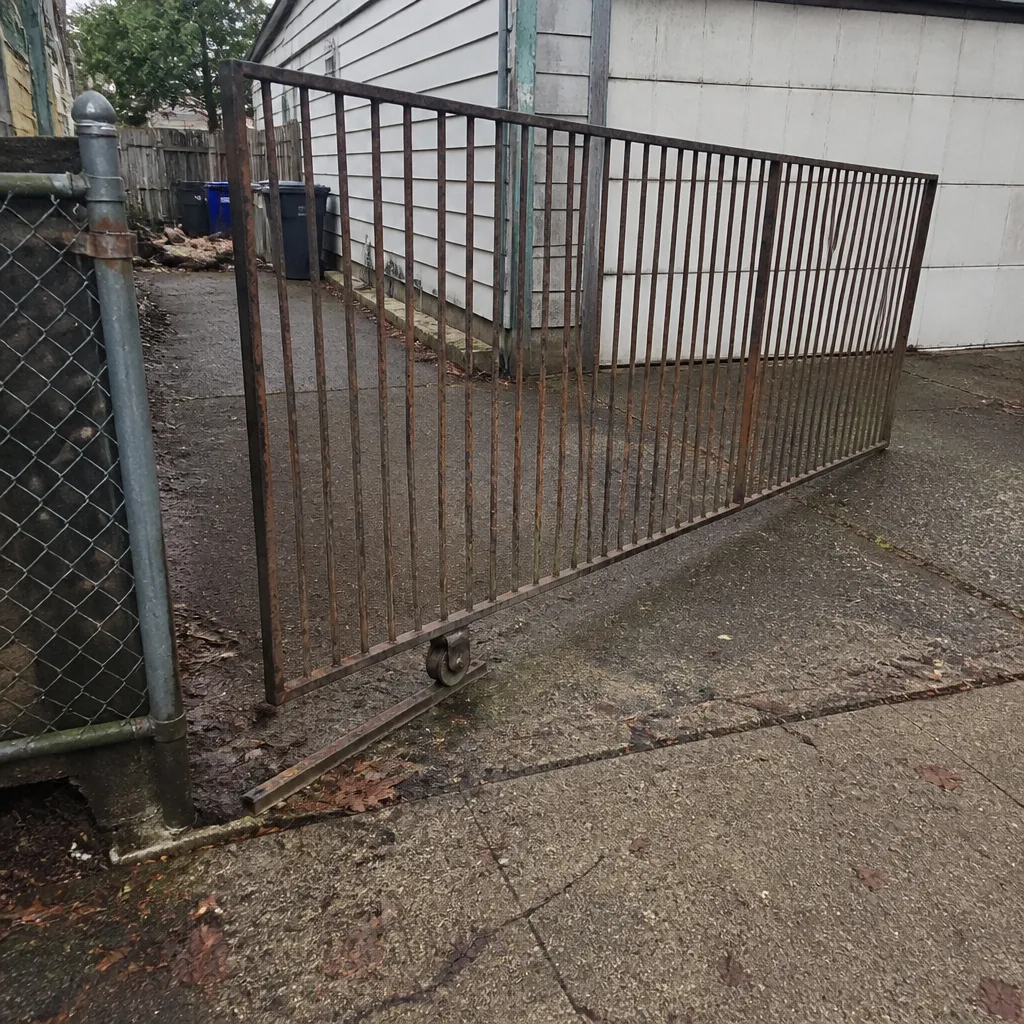
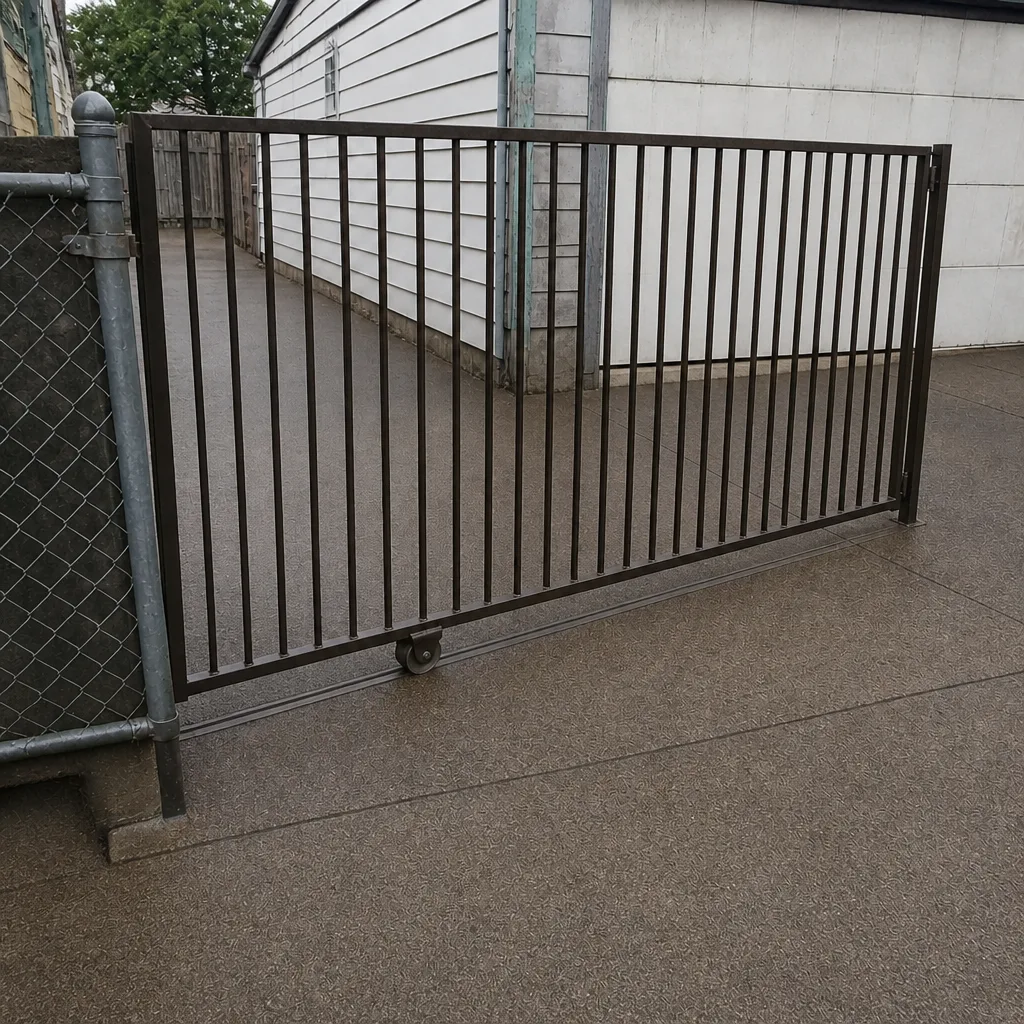
See the difference
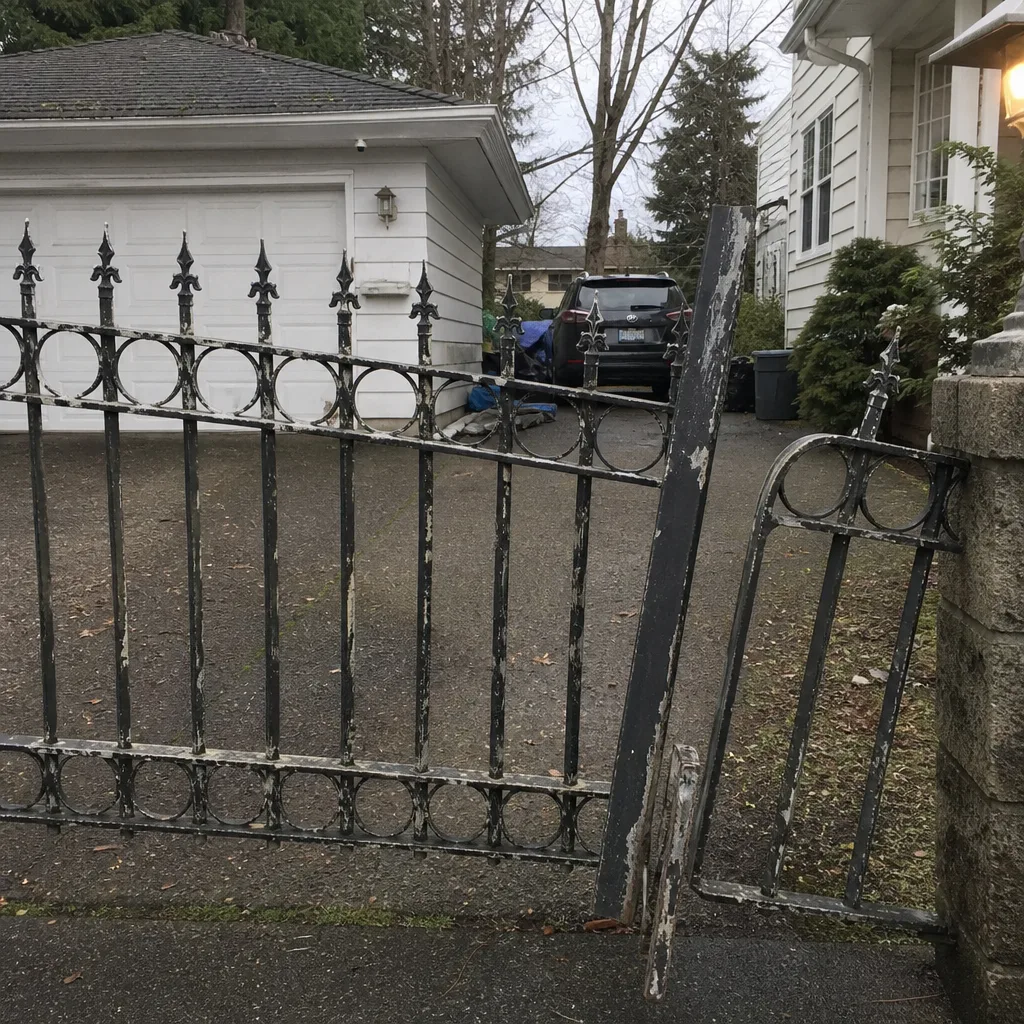 Before
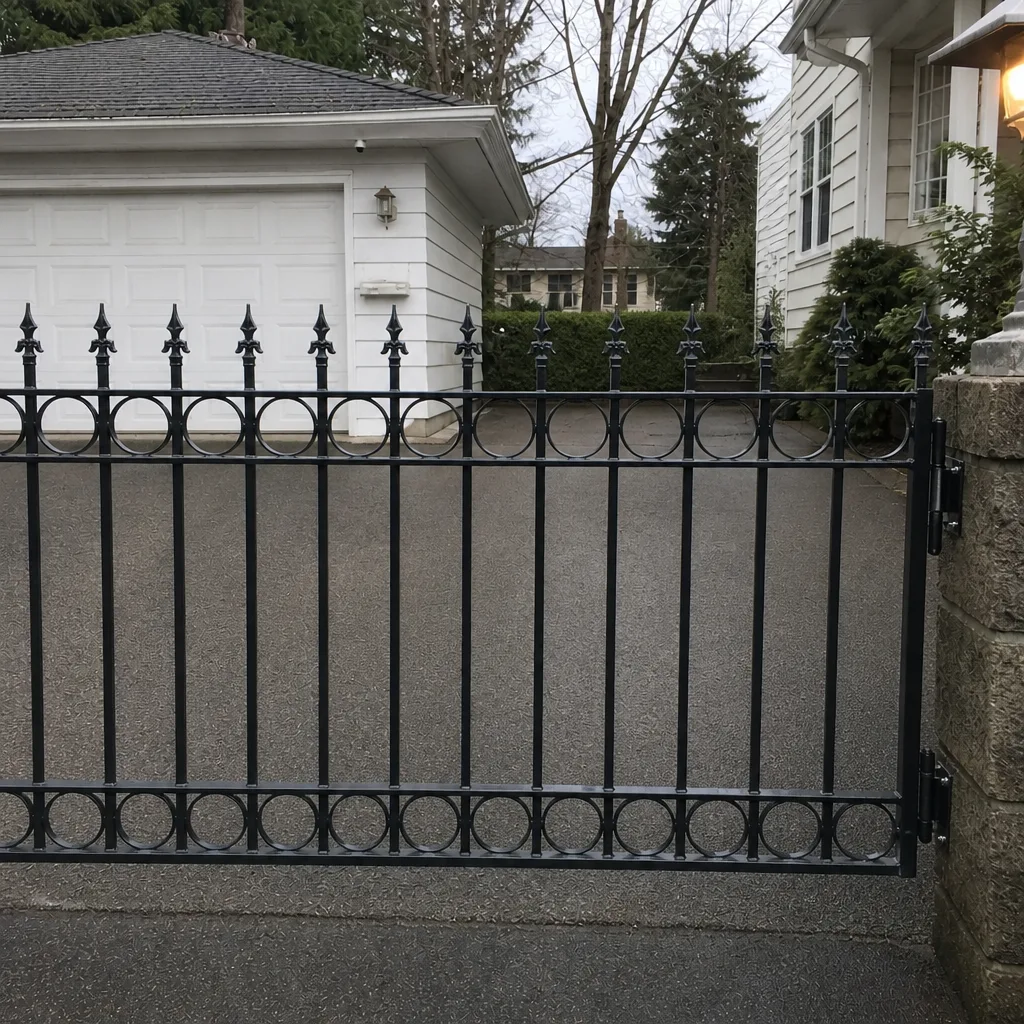 After
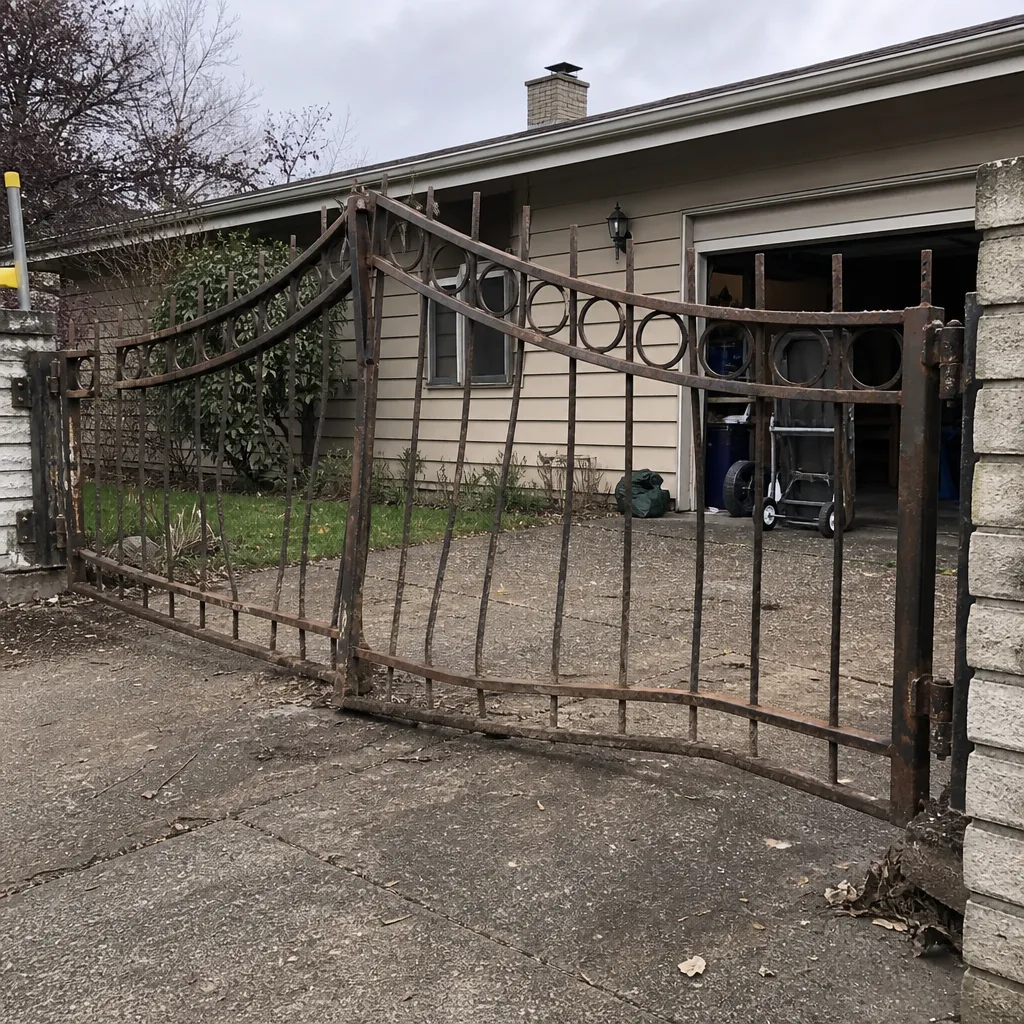 Before
 After
 Before
 After
When to Call a Professional
Call a professional when the fault sits past the power source – a control board that shows no life despite confirmed power, a motor that hums without moving the gate, erratic or unpredictable movement, or a diagnosis that keeps pointing at electrical components. Call immediately if the gate is a safety hazard, stuck open on a property that depends on it for security, or moving on its own around people and vehicles. And call if you’ve worked the signal chain in order and reached the drive mechanism without finding the cause – at that point the time saved by a trained technician is worth more than the cost of guessing. Gate Repair Everett offers free estimates in Everett. Call (844) 834-1197. We answer 24/7, with fast dispatch from 7am to 7pm.
Frequently Asked Questions
Sudden failure usually points to a specific break in the signal chain: a tripped breaker, a blown fuse, a control board failure, or an obstruction the safety sensors are reading. Start at the power source and work forward – a total stop with no lights or sound points to power or the board, while a unit that still beeps points further down the chain. If you can’t find it, call (844) 834-1197 for a free estimate.
A beeping operator that won’t move is a soft fault, meaning the unit has power and the board is running but something downstream is stopping the cycle – most often a limit switch, a safety sensor reading a phantom obstruction, or a worn drive component. It’s one of the three symptoms best left to a technician rather than diagnosed by swapping parts. Call for a diagnostic.
Many gate repairs can be handled same day, depending on the fault and parts availability. We answer 24/7, with fast dispatch from 7am to 7pm, Sunday through Friday. Because electric gate work is our specialty rather than an add-on, we diagnose electrical, mechanical, and control-board failures directly. Call (844) 834-1197 for an exact quote – estimates are free.
Everett’s wet winters accelerate predictable failures: corroded terminals, swollen wooden posts, waterlogged loop detectors, and seized hinges and rollers. The damp air and freeze-thaw cycles find the weak points and trigger intermittent faults. If your gate acts up as the rains arrive, that timing alone points toward moisture-related causes a technician can identify and fix.
Repair is usually the right call when the failure is isolated to one component – a board, a limit switch, a hinge, a corroded connection – or when the cause is environmental. Replacement deserves a serious look when the operator is failing across multiple subsystems or parts are hard to source for an older unit. A proper diagnosis tells you which path makes sense.
In all likelihood, yes. We’re fluent across the full ecosystem of gate operators, from Mighty Mule and Ghost Controls residential units to FAAC, BFT, Linear, and Viking systems, plus LiftMaster, DoorKing, and Elite. Brand-specific knowledge means faster diagnosis and fewer return visits. Tell us your brand and model when you call.
The Bottom Line
A gate that won’t move is telling you something specific – you just need to read it in the right order. Follow the signal chain from power to control board to limit switches to drive mechanism to physical obstruction, and most failures reveal themselves before anyone touches a screwdriver. Classify the fault first: soft faults point deeper into the system, hard faults point to power or the board. In Everett, keep the wet-season culprits in mind – corrosion, swollen posts, waterlogged loops. And know where DIY stops: beeping-but-stuck, humming-without-moving, and erratic movement all belong to a technician. Work the chain, respect the danger, and call when the diagnosis runs past power.
When you’re ready for a hand, we work on the brand you already own, whether it’s a residential unit or commercial access control. For our full range of work in the area, see what we do in Everett, and for new systems from the ground up, explore electric gate repair alongside our installation options. Electric gate acting up? Call (844) 834-1197 for a free estimate – we’ll help you decide if it’s a repair or a replacement before any work begins, at a price quoted and agreed before we start.
Written by the team at Gate Repair Everett.