
Last updated November 16, 2026
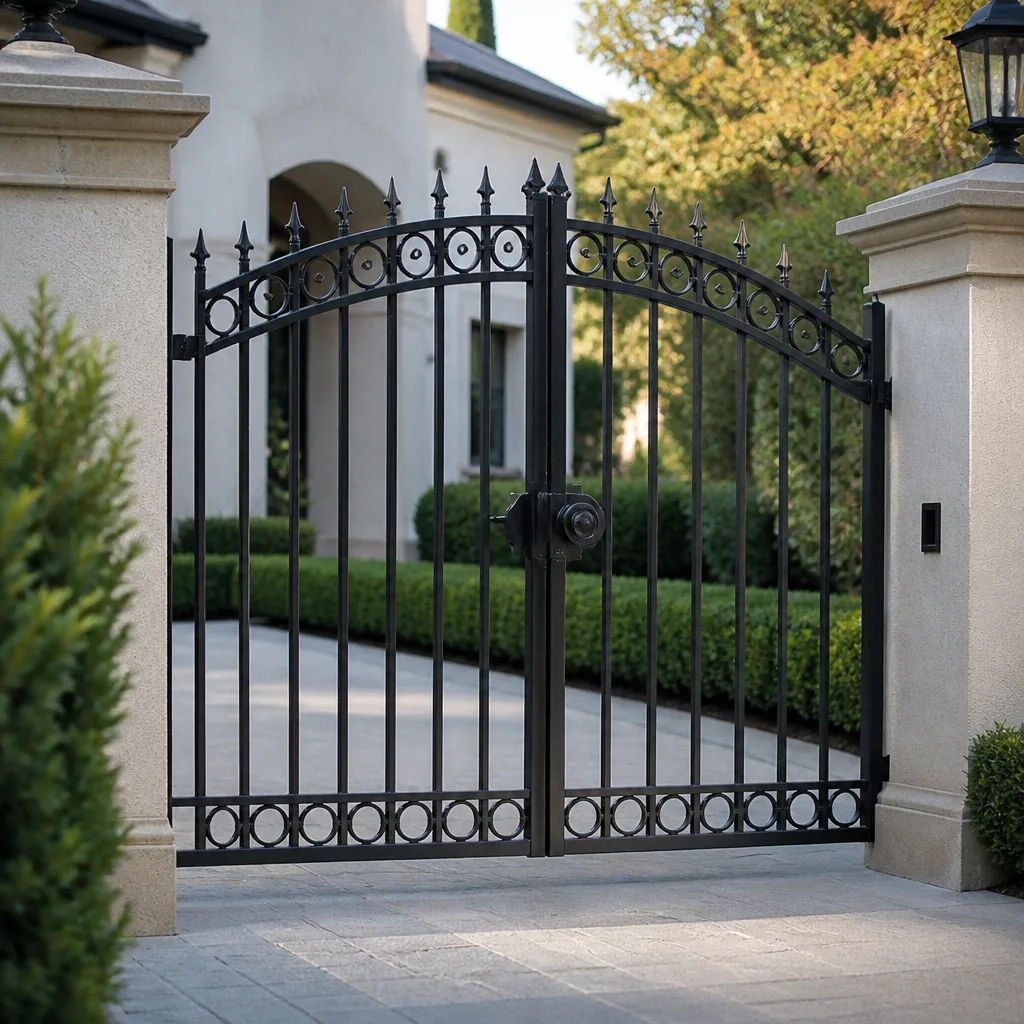 Wrought iron
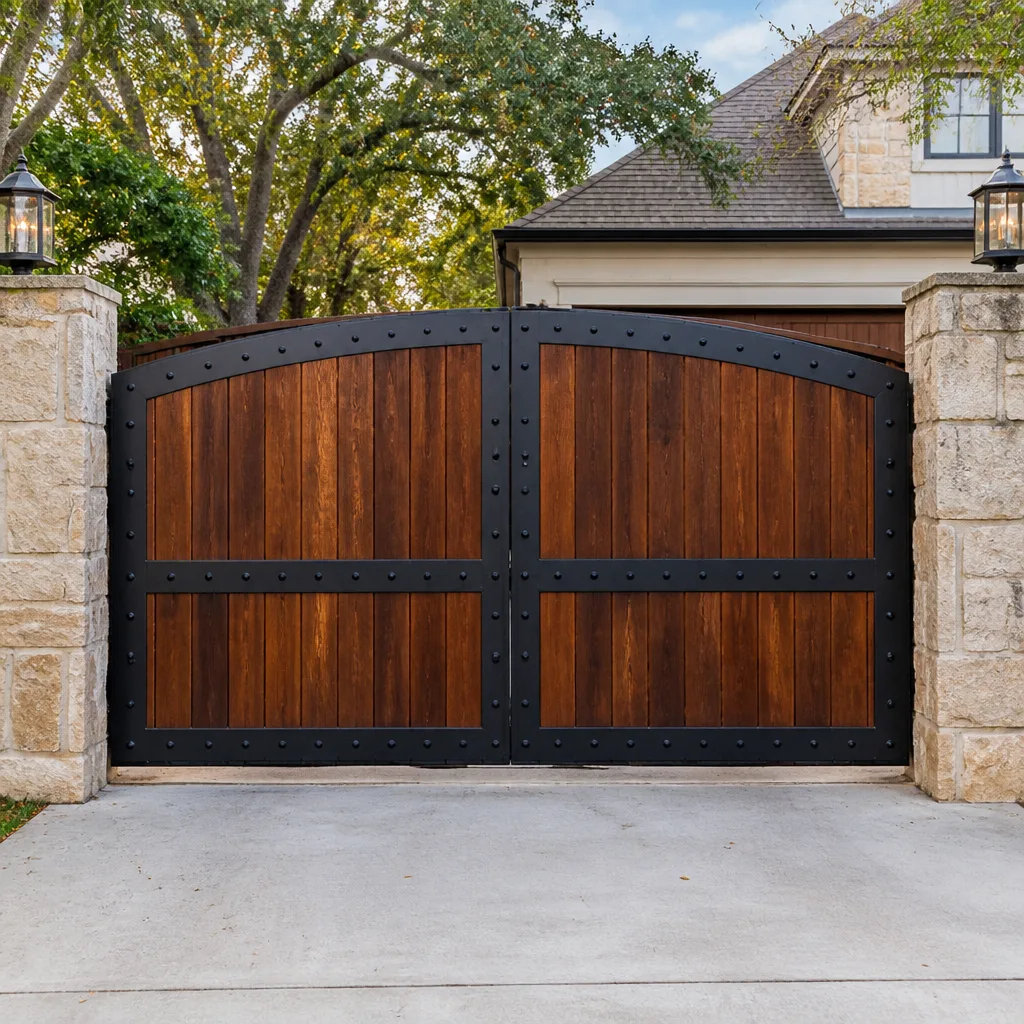 Wood & steel frame
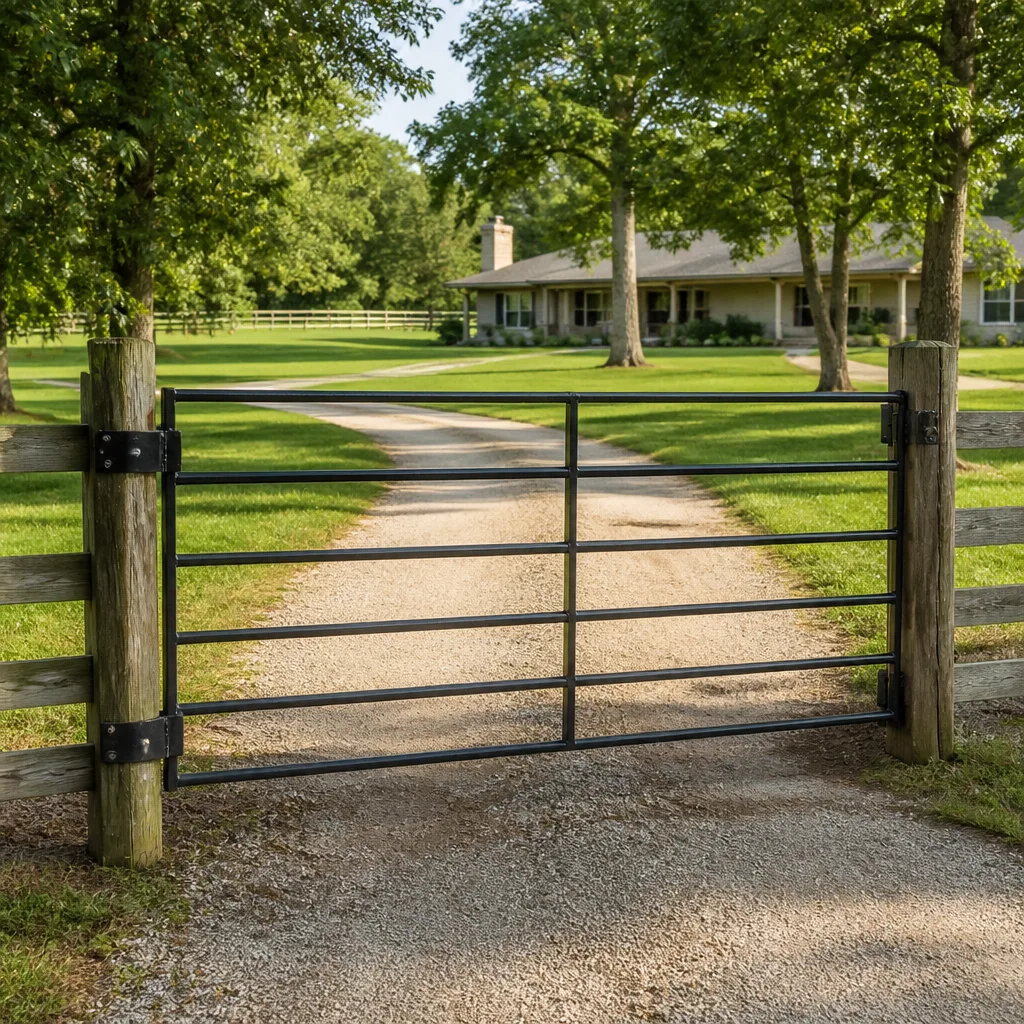 Farm & ranch
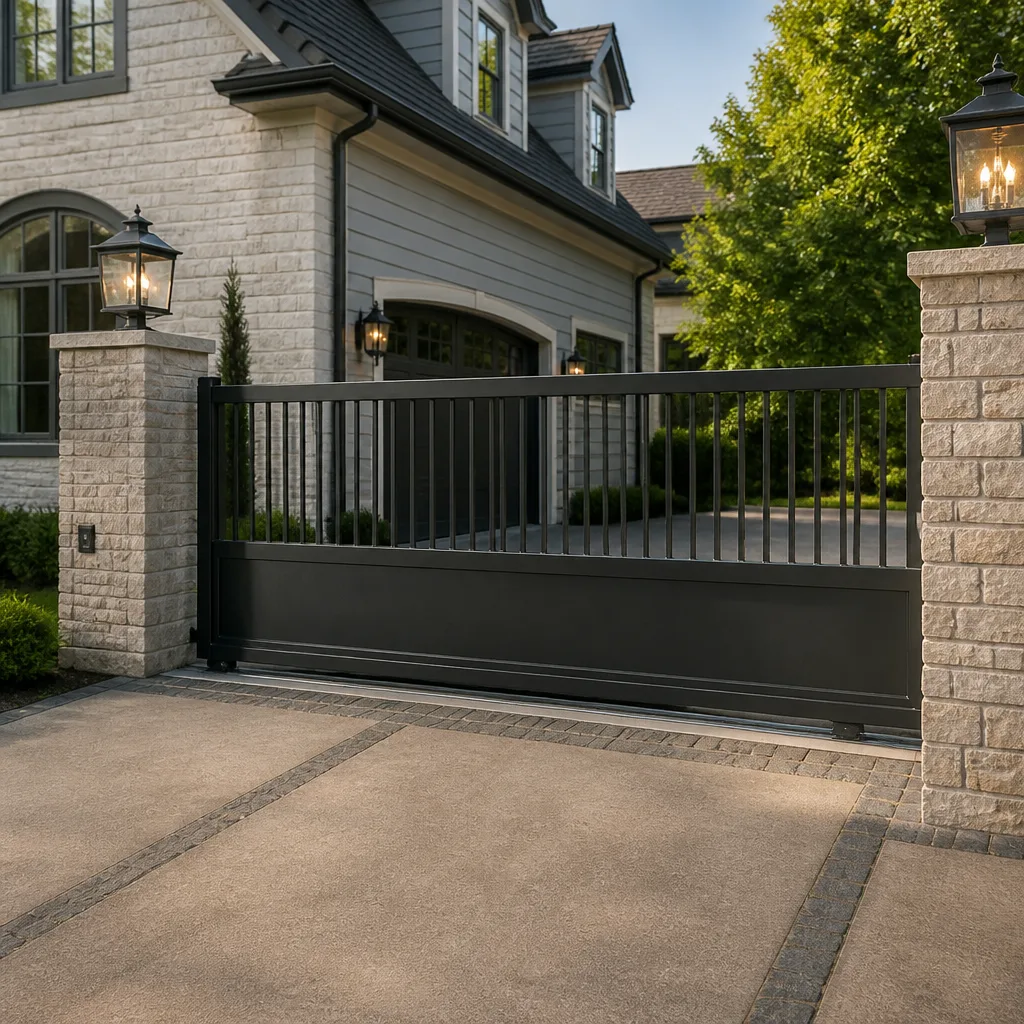 Sliding driveway gates
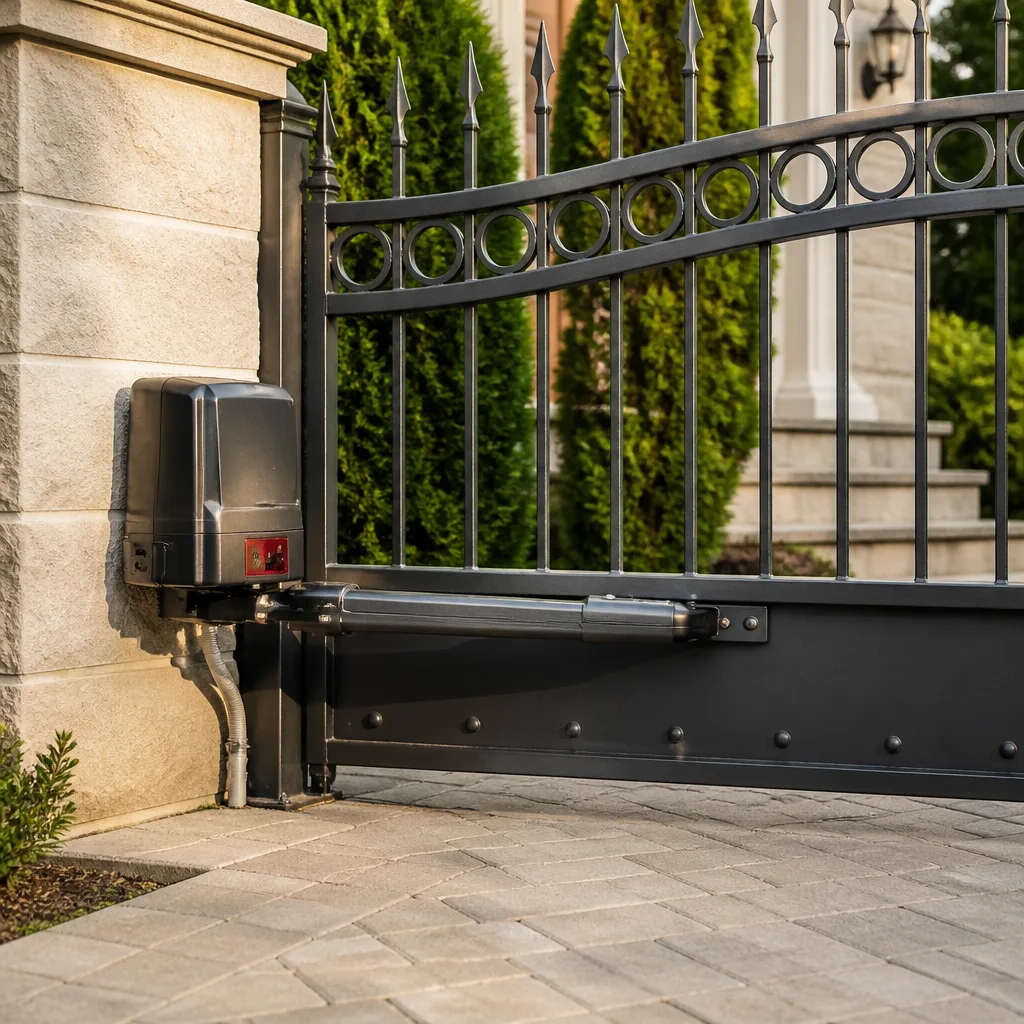 LiftMaster operators
Free on-site gate assessment - hinges, posts, and your LiftMaster or Nice gate operator checked before anything is quoted
The assessment is free and the quote is the invoice.
Get your free estimateHow to Hire a Gate Repair Contractor in Everett: A Step-by-Step Guide
If a contractor can’t tell you which gate operators they’re trained on before they arrive, they’re diagnosing your system from scratch, at your expense. That’s the hard truth about gate repair in Everett: many fence builders and door companies list “gate repair” on their website but spend the first visit learning your operator instead of fixing it. The difference between a quick fix and an expensive guessing game usually comes down to how you vet the contractor before they show up. This guide gives you the exact questions to ask, the red flags to filter out, and what a real service call should look like when the operator, access control, and safety hardware all get treated as one system.
Quick Answer
To hire a gate repair contractor in Everett, confirm before booking that they have specific experience with your operator brand, ask whether they diagnose the motor, control board, and access control or just swap parts, and insist on a written estimate with a clear diagnostic charge separate from labor. The right contractor tells you which brands they know, explains how they test the system, and won’t push a replacement until they’ve confirmed a repair won’t hold.
Styles & brands we work with
- Wrought iron
- Wood & steel frame
- Farm & ranch
- Sliding driveway gates
- LiftMaster operators
Table of Contents
- Why Gate Repair Isn’t General Handyman Work
- The Questions to Ask Before You Book
- Why “Licensed and Insured” Is the Floor, Not the Credential
- Red Flags in a Quote or Estimate
- How to Verify a Contractor’s Reputation in Everett
- What a Legitimate Service Call Should Include
- Repair or Replace? How to Tell Which Makes Sense
- Safety and Power: What Not to Touch Yourself
Why Gate Repair Isn’t General Handyman Work
A gate is two systems bolted together: the physical gate and the operator that moves it. A fence contractor understands the first. An electric gate repair specialist understands both, plus the access control layer that ties the gate into keypads, remotes, and entry systems. When a gate stops working, the failure could be mechanical (a bent track, a worn hinge, a slide gate off its rollers) or electrical (a dead motor, a fried control board, a shorted sensor, a failed actuator). Unless the person on site can isolate which layer failed, they’ll start swapping parts and charging you for each attempt.
In our experience, the most common expensive mistake in gate repair in Everett is a homeowner hiring a general contractor who treats an automatic gate like a fence with a motor attached. That works until the problem is in the control board or the access control head-end, which is where generalists run out of road. Gate systems in western Washington also face a specific set of conditions: months of rain, wet fall leaves packing into slide rail channels, and freeze-thaw swings in the Cascade foothills that work hinges and gates loose over a season. An operator installed correctly handles those conditions; a generic install often doesn’t.
Our technicians have up to experience, and we focus exclusively on gate repair, electric gate repair, and gate installation. That focus matters when the failure is electrical, because we’re set up to diagnose the whole gate system rather than only the parts we’re comfortable with. If your gate is a gate repair job rather than an installation, the first visit should confirm that quickly.
The Questions to Ask Before You Book
Ask these before anyone gets in a vehicle. The contractor’s willingness to answer them, and the specificity of the answers, tells you more than any website testimonial will. A specialist answers these quickly. A generalist gets vague fast.
- “Which gate operator brands do you work on?” You want an answer that names specific brands: FAAC, BFT, Linear, Viking, LiftMaster, Ghost Controls, DoorKing, Elite, Mighty Mule. If they say “any brand” and can’t name three, that’s a warning.
- “Do you diagnose the control board separately from the motor?” A real electric gate repair specialist separates the motor, control board, sensors, and access control when diagnosing. Anyone who jumps straight to “the motor’s dead” without testing the board is guessing.
- “What diagnostic tools do you bring?” Multimeters, control board error codes, remote and keypad test gear, and a clear process for isolating the fault. If they can’t describe the process, they’re planning to swap parts until something works.
- “How do you charge for diagnosis versus labor?” A written estimate should make the diagnostic visit and the labor separate and clear. You want to know what you’re paying for the diagnosis even if no repair follows.
- “Will you put the estimate in writing before starting?” The answer must be yes. Anything else is a red flag, no matter how friendly the person sounds on the phone.
- “What warranty do you offer on parts and labor?” Ask for it in writing. Parts warranties and labor warranties are usually different, so get both terms.
If a contractor can’t answer questions one through five on the first call, book someone else. In Everett, you have enough options that you don’t need to gamble on a gate specialist who hasn’t done gate work.
Why “Licensed and Insured” Is the Floor, Not the Credential
Licensing and insurance are the baseline. They keep you from getting stuck with a contract dispute if something goes wrong, and they protect your property. But “licensed and insured” says almost nothing about whether the person knows your gate. That’s the certification and training question, and most homeowners never ask it.
Gate-specific training shows up in a few forms. LiftMaster runs ProVantage as its dealer and training program, and a contractor in it has gone through manufacturer-side training on LiftMaster operators. FAAC and BFT both run dealer and installer programs for their commercial and residential lines. Linear and Viking run installer training that produces model-specific familiarity. None of those programs make someone a good contractor by themselves, but a technician who’s been through one is working from the manufacturer’s diagnostics rather than reverse-engineering your gate on your dime.
We’re brand-fluent across the operators we work on, including FAAC, BFT, Linear, and Viking. We’re independent, which means we work on the brand you already own rather than steering you toward a specific manufacturer. When we show up, we already know the model-level failure patterns for the operator on your gate, and we know what parts are realistically available for it. That shortens the diagnosis and reduces return visits.
What to ask for: the name of the training or dealer program your contractor has completed, and which brands they cover. If they can’t name one, that’s a real answer, and you should weigh it. Training isn’t the only signal, but a technician who’s gone deep on a brand is a technician who’s seen your failure mode before.
Red Flags in a Quote or Estimate
Read the estimate carefully, not just the total. The line items tell you whether the contractor understood the job. These are the patterns worth walking away from.
- Vague line items. “Repair gate – $X” or “Fix electric gate – $X” tells you nothing. A good estimate names the parts and the labor.
- No written estimate at all. If they insist on “I’ll figure it out on site,” you have no protection against an invoice that grows once the work starts.
- Immediate push to full replacement. If a contractor jumps to replacing the whole gate or the whole operator on the first visit without testing the motor, control board, sensors, and access control as separate systems, ask for a repair option. If none exists, get a second opinion.
- Part-swap guessing. An estimate that lists three or four parts “just in case” is a sign they don’t know which one failed. Diagnosis comes first; the parts list follows.
- No diagnostic line. A specialist charges for the diagnosis and then for the repair. An estimate that hides the diagnostic inside the labor figure is harder to audit if the job doesn’t go well.
- Refusal to discuss warranty. Parts warranties exist for most operators. If the contractor won’t talk about how long the repair is covered, that’s a problem you’ll discover later.
- No questions about your gate. A contractor who doesn’t ask which operator you have, how old the install is, whether the gate is slide or swing, and what kind of access control is attached is not diagnosing your system before they arrive. That’s the pattern to filter out.
How to Verify a Contractor’s Reputation in Everett
Google stars are a starting filter, not a decision. What you want is what the review text actually describes. A contractor with a strong local reputation in Everett will have reviews that name specific brands, specifically describe the diagnosis, and talk about how the visit went, not just that the person was nice and on time.
Here’s what to look for, in order:
- Reviews that mention your operator brand. If someone with a FAAC operator says the contractor diagnosed their control board and had it back in a day, that’s more useful than a five-star rating with no detail.
- Reviews that describe the diagnostic process. Words like “diagnosed,” “tested the board,” “checked the sensors,” “isolated the problem” tell you the contractor runs a process. Words like “fixed it right away” don’t tell you if they got lucky.
- Reviews that describe the estimate. Did the reviewer get a written estimate? Did the final price match? A review that says “cost exactly what they quoted” is the signal you want.
- Reviews that distinguish repair from replacement. Look for someone who says the contractor fixed a problem another company said needed a full replacement. That tells you they diagnose before they sell.
- Reviews across both residential and commercial jobs. An HOA property manager’s review about a DoorKing barrier arm reads differently from a homeowner’s about a Mighty Mule swing gate. Both are useful evidence.
Around Everett, from the older neighborhoods near downtown to the larger lots and light-commercial properties reaching toward Silver Lake and the Cascade foothills, gates see the same wet season and the same freeze-thaw cycles. Reviews that mention a contractor’s response to those conditions, like slide rails packed with wet leaves in the fall, tell you they’ve actually worked the local market.
What a Legitimate Service Call Should Include
A real gate repair visit leaves you with documentation, not just a fixed gate. Here’s what a professional visit should look like from start to finish. If any of these are missing, ask why.
- Documented findings. The technician should be able to tell you exactly what failed and what they tested to confirm it. Ask for it in writing on the invoice or a service record.
- Parts explanation. If a part is replaced, the technician should explain why that part failed and how the new one is different. If they can’t explain the failure mode, the diagnosis is weak.
- Access control checked. The repair isn’t finished until the keypad, remotes, entry system, and any safety edges are re-tested and confirmed working with the repaired gate.
- Safety hardware verified. Photo eyes, safety edges, and the operator’s obstruction sensing need to be tested after any repair. If they aren’t, the gate isn’t back to safe operation.
- Warranty terms on the invoice. Parts and labor warranties should be written on the estimate or invoice. Not verbal.
- Follow-up path. If the repair holds, you’re done. If something fails within the warranty window, you should know the number to call and what the process is.
We build our service calls around this. Our technicians document what they find, explain the parts, and confirm the gate with the access control system re-tested before we leave. If you’re looking for the full scope of what we cover, see Gate Repair Everett.
Repair or Replace? How to Tell Which Makes Sense
Most failing gates can be repaired. When they can’t, the signs are usually operator age, repeated board failures, or parts you can’t source anymore. Here’s how to think about the decision before a contractor tries to sell you a whole new gate.
Repair usually makes sense when:
- The operator is still being manufactured and parts are available for it.
- The failure is a single component (motor, control board, sensor, or actuator) and the rest of the system tests fine.
- The gate hardware is sound: hinges, rollers, tracks, and frame all check out.
- The access control still works and integrates with the repaired operator.
Replacement usually makes sense when:
- The operator is out of production and parts can’t be sourced.
- The control board has failed more than once and the motor is at the end of its service life.
- The gate itself is structurally compromised: bent frame, failing hinges, or a slide track that can’t be brought back into alignment.
- You’re upgrading from a consumer-grade operator to commercial hardware for heavier use, like an HOA or light-commercial entrance.
If a contractor recommends replacement before they’ve confirmed the repair path won’t work, ask directly: “What specifically failed, and what would a repair cost?” The answer should be specific. “The board’s dead and it’s not worth fixing” is not a diagnosis. “The board failed because the actuator drew overcurrent and cooked the motor windings” is.
Safety and Power: What Not to Touch Yourself
A gate operator runs on line voltage. The motor, control board, and access control head-end all involve mains power, and an automatic gate carries real crush force. This is not a job to learn on. If your gate is dead, stuck, or behaving unpredictably, the safe move is to shut power off at the breaker and call a technician.
What you can safely check: the breaker feeding the operator, the gate’s physical movement by hand (with power off, to see if it binds or sticks), and whether the keypad or remote has batteries. Anything past that means the panel or the operator has to come apart, and that’s when a trained professional matters. We don’t recommend homeowners troubleshoot the board, the wiring, or the safety edges.
For the bigger picture of what we do locally, see Everett. If your gate is acting up, call (844) 834-1197. We answer 24/7. Fast dispatch from 7am to 7pm, Sunday through Friday.
Common Mistakes to Avoid
- Hiring a fence contractor for an electrical gate failure. Fence builders know fence. They don’t always know control boards, actuators, and access control. Ask for the operator brands they’ve worked on before you book.
- Accepting a verbal estimate. In Everett, a verbal estimate on a $900 repair is worth nothing if the invoice comes in higher. Demand it in writing, with parts and labor broken out.
- Letting a technician jump to replacement without testing. Most “your motor’s dead” calls are actually a failed control board or a shorted sensor. Ask for the repair option first.
- Skipping the access control re-test. A repaired gate that doesn’t talk to your keypad isn’t repaired. Make sure the full system gets tested, not just the mechanical movement.
- Ignoring wet-season slide rail maintenance. Western Washington’s fall and winter pull wet leaves into slide rail channels, and that’s a top cause of stuck gates and burnt-out operators. Clear the channel after heavy leaf fall.
- Trying to reset the control board yourself. Line voltage and crush force mean a homeowner on the wrong side of an operator panel can get hurt. Shut the breaker and call.
- Assuming all gate contractors handle commercial access control. If your gate has a DoorKing or FAAC commercial head-end, confirm the contractor works on those systems before booking.
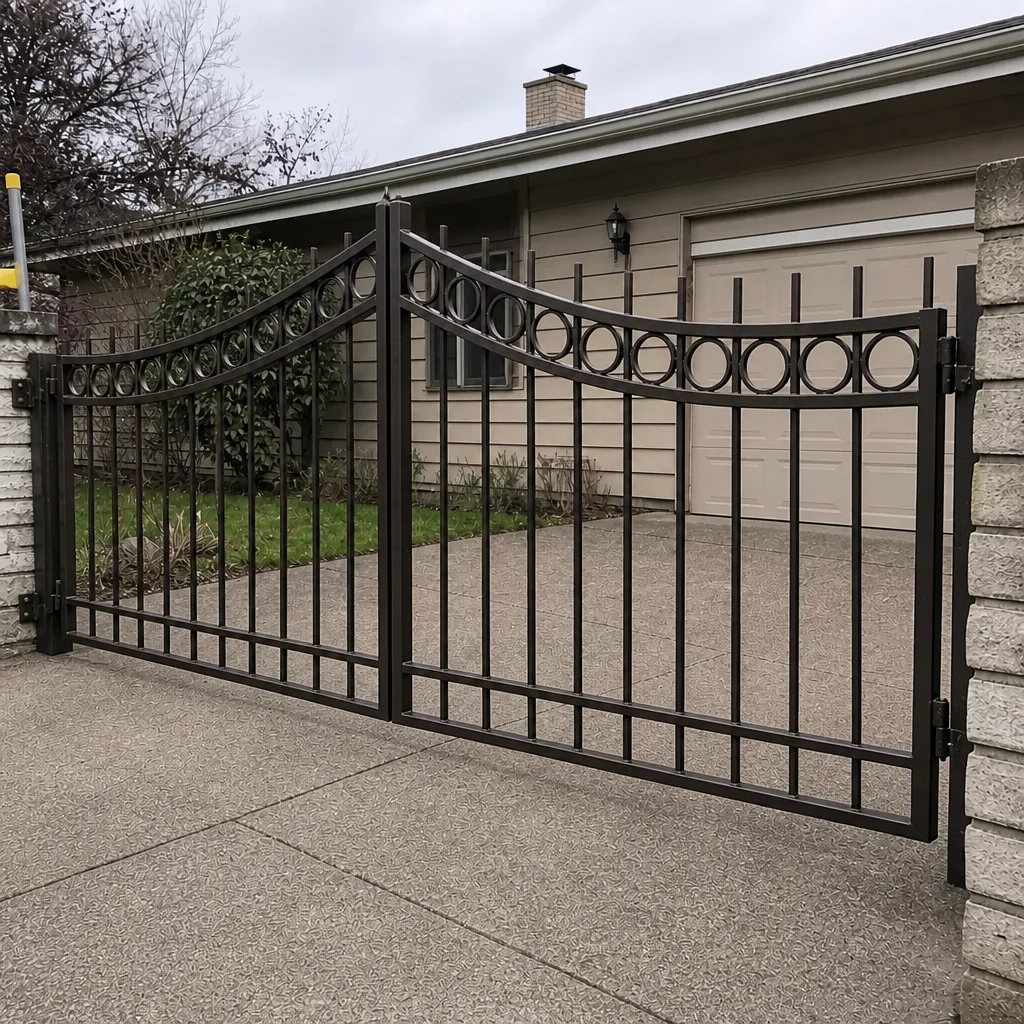
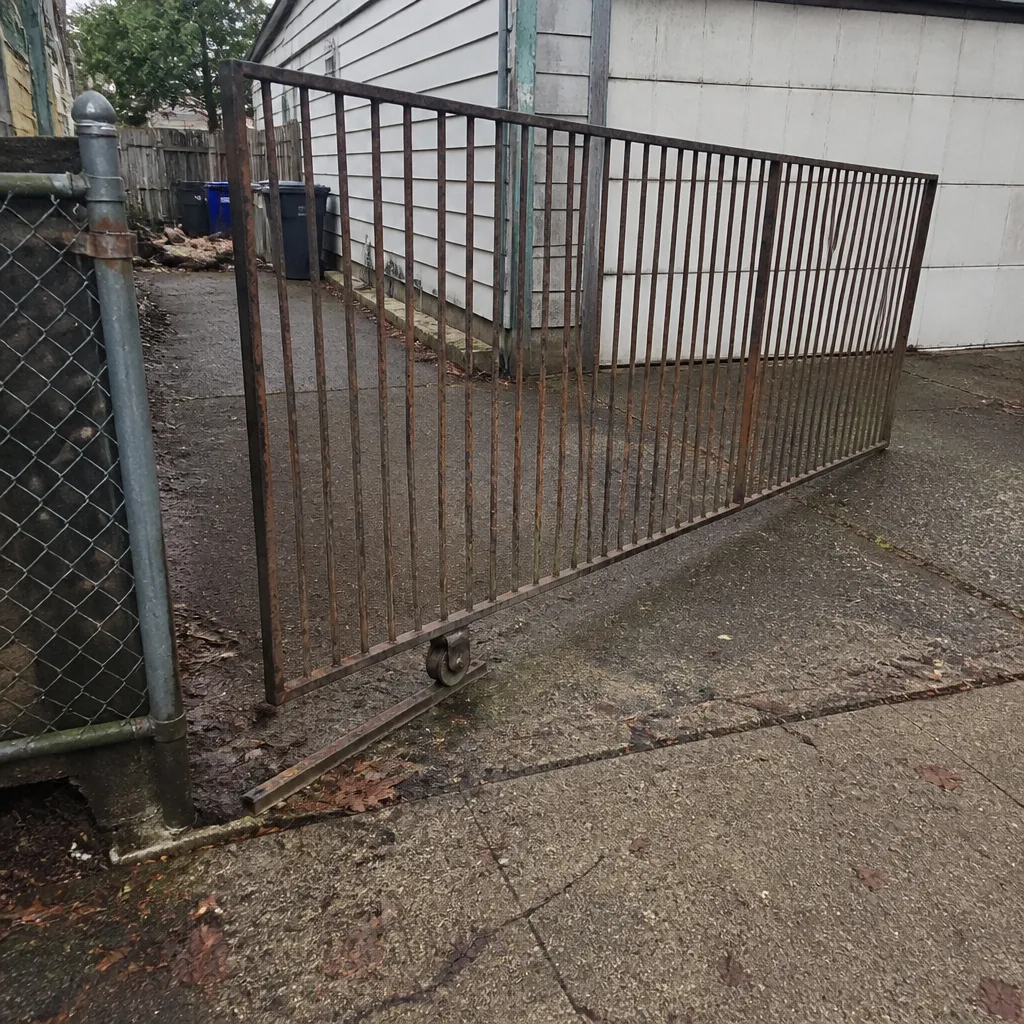
See the difference
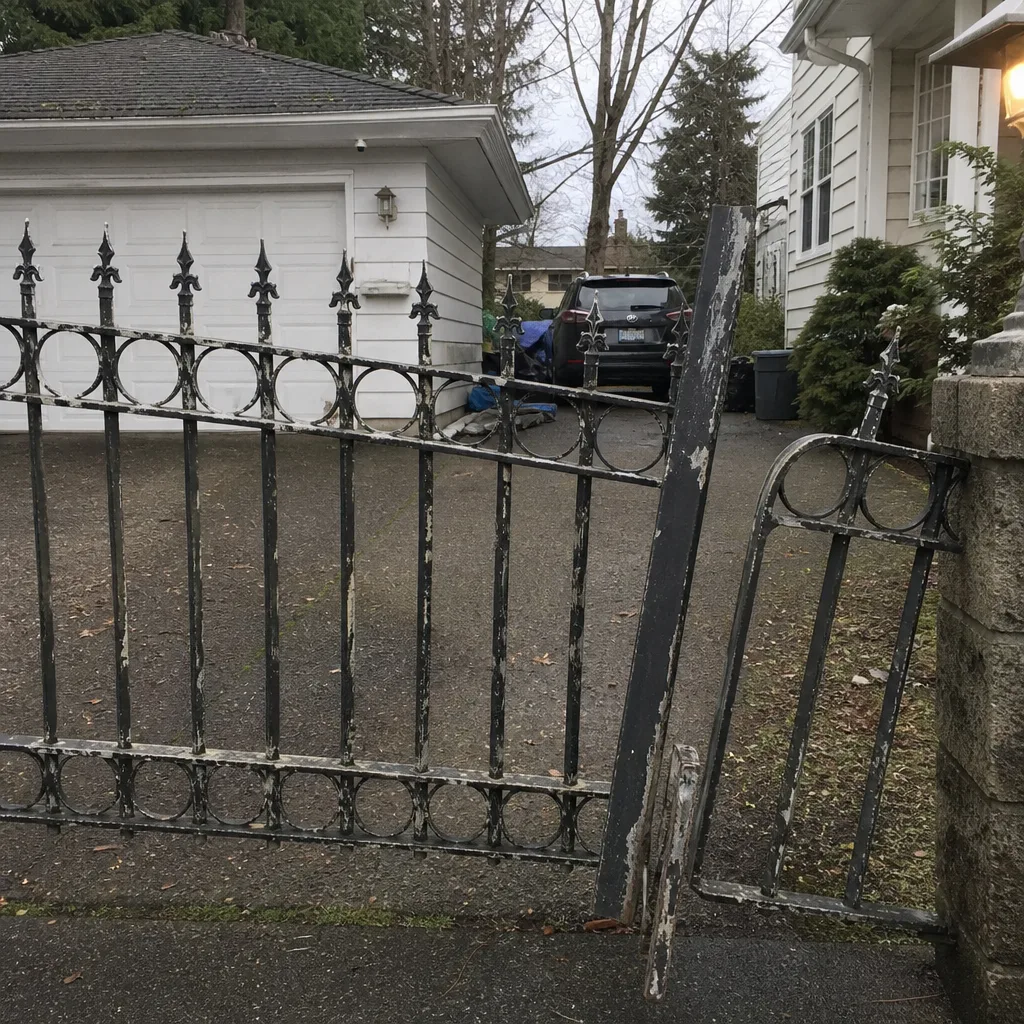 Before
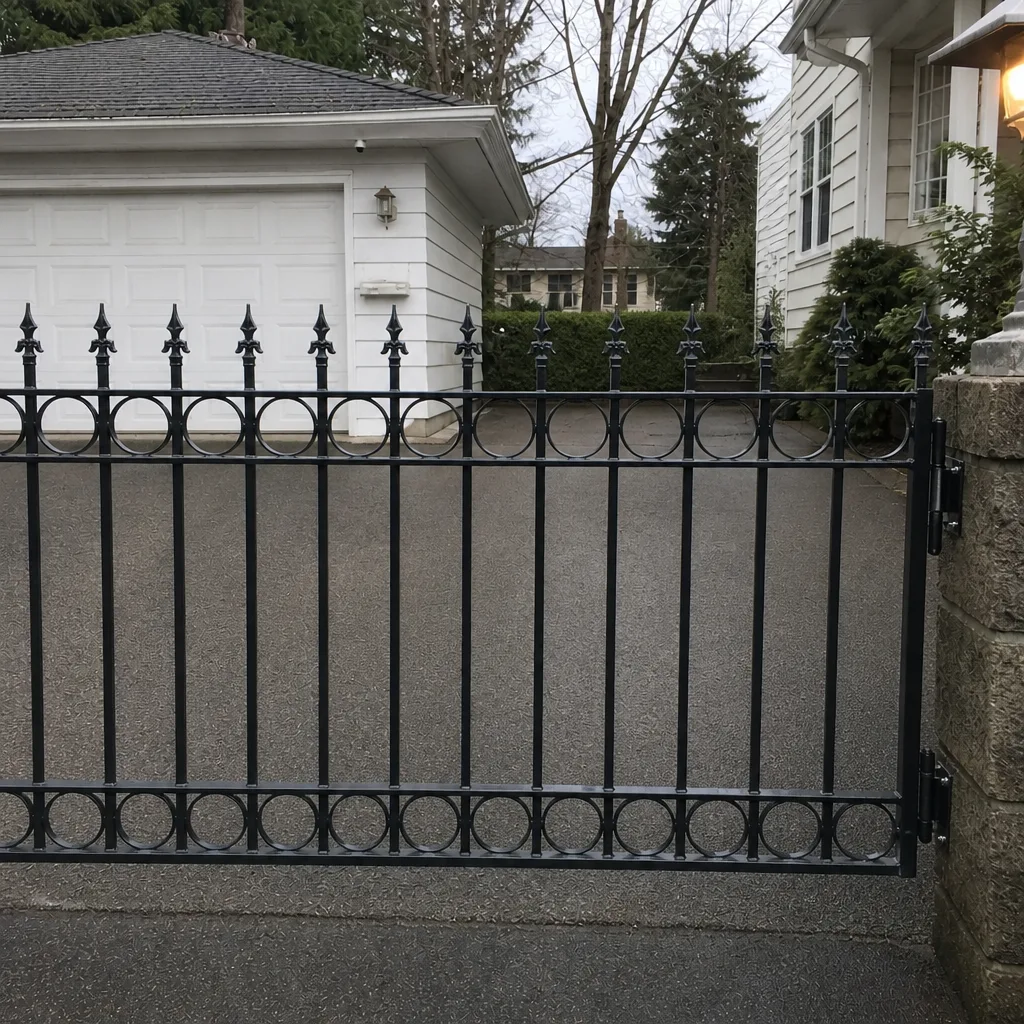 After
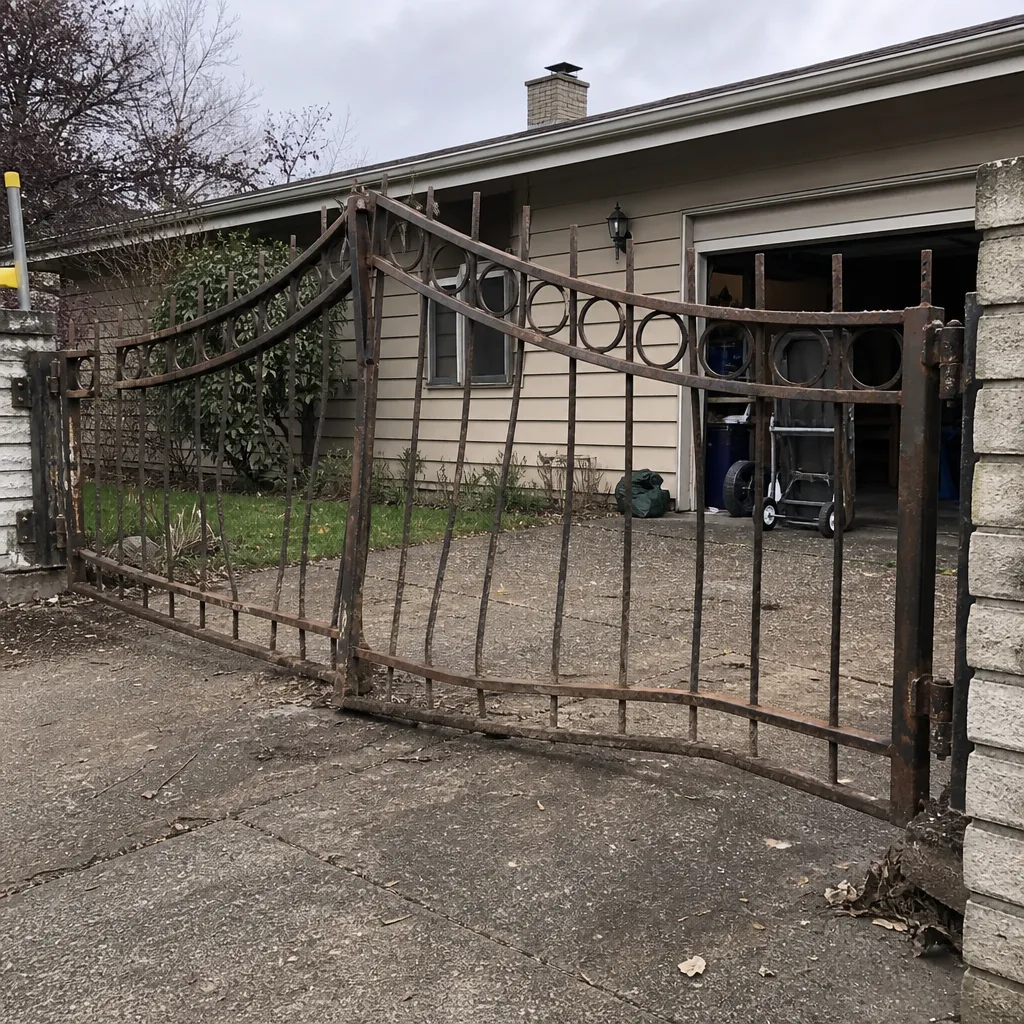 Before
 After
 Before
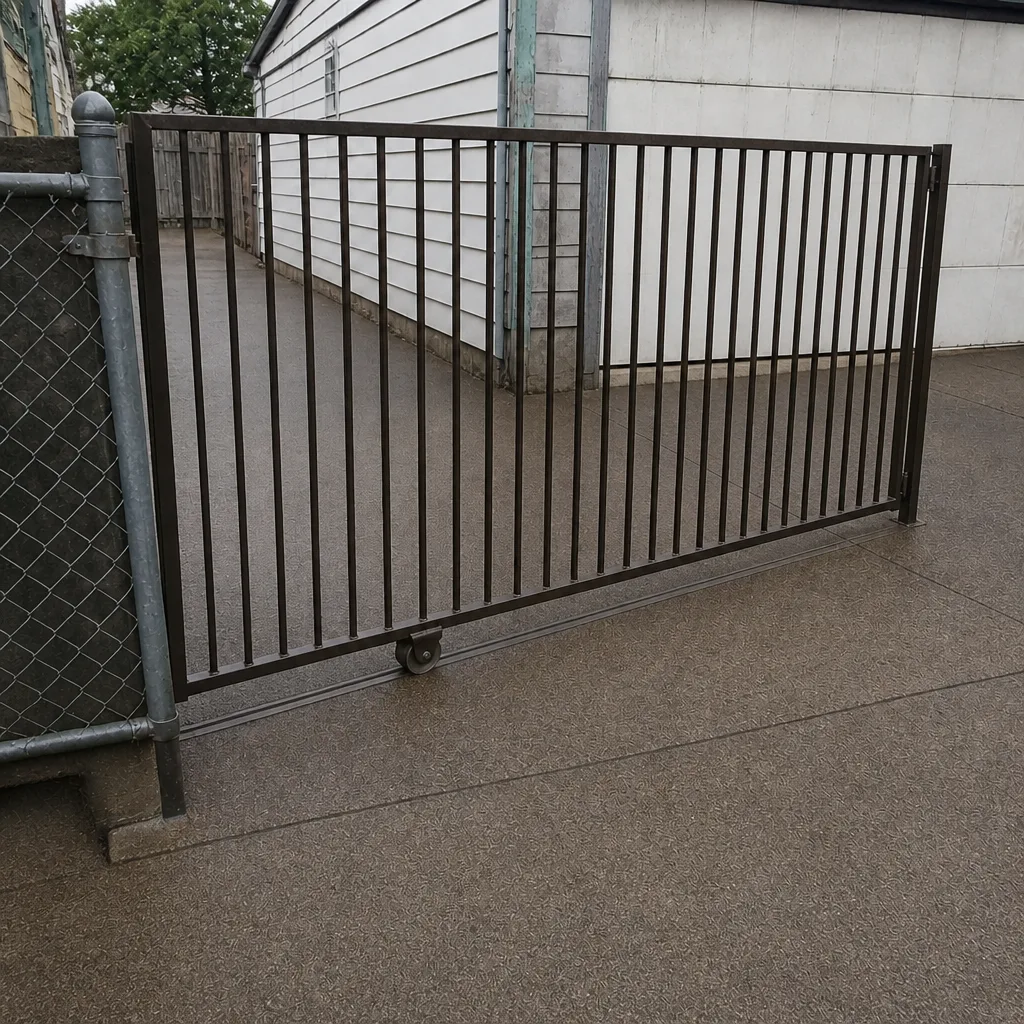 After
When to Call a Professional
Call a gate specialist when the gate won’t move, moves in only one direction, stops randomly, reverses when the safety edge is tripped, or the motor hums without opening. Call immediately if you see sparking or smell burning near the operator, or if the gate has slipped off its rollers or off the track. For anything electrical, shut power off at the breaker first and don’t re-engage it until a technician has looked at it. If the keypad or remote has stopped working but the gate itself still moves, the operator is probably fine and the access control layer needs attention. Gate Repair Everett offers free estimates in Everett. Call (844) 834-1197. We answer 24/7. Fast dispatch from 7am to 7pm, Sunday through Friday.
Frequently Asked Questions
Gate repair in Everett is priced per job, and the final price is set by the written estimate after we’ve diagnosed the gate. A single component failure (a sensor or remote receiver) usually sits at the low end, while a control board or motor replacement sits higher. Diagnostic work is separate from repair labor, so you know what you’re paying for each. Call (844) 834-1197 for an exact quote. Estimates are free.
Ask two questions on the first call: which brands they’ve been trained on, and whether they’ve worked on your specific model. A trained contractor names brands and model series without hesitation. They’ll also tell you which manufacturer training program they’ve completed, like the LiftMaster ProVantage program or the FAAC and BFT dealer programs. If they can’t name a single brand or program, weigh that before booking. Call (844) 834-1197 if you want to know which brands we cover first.
Yes, we work on both. Residential swing and slide gates with consumer-grade operators like Mighty Mule and Ghost Controls are routine, and light-commercial systems with FAAC, BFT, DoorKing, and LiftMaster operators are common for HOAs and small property managers. We diagnose the operator, control board, sensors, and access control as separate systems rather than treating the whole gate as one unit. Call (844) 834-1197 to confirm your specific brand and configuration.
We aim for same-day on urgent repairs. We answer 24/7. A call outside dispatch hours is booked into the next opening, Sunday through Friday, 7am to 7pm. If your gate is blocking access or has failed with power still applied, shut the breaker off and call. (844) 834-1197 is the number.
Yes, and that’s the point of diagnosing first. We test the motor, control board, sensors, and access control separately and tell you which parts failed, which still work, and whether a repair will hold. If a replacement is the honest call, we’ll say so and explain why. If a repair will do the job, we recommend that. The written estimate covers both paths when both are legitimate. Call (844) 834-1197 for a free estimate.
Have ready: the operator brand and model if you can see it on the unit, whether the gate is swing or slide, what kind of access control you have (keypad, remotes, entry system), what the gate is doing or not doing, and whether the gate is currently stuck open or closed. That’s enough for us to schedule the right visit. Call (844) 834-1197. We answer 24/7.
The Bottom Line
Hiring a gate repair contractor in Everett comes down to four things: brand training, diagnostic process, a written estimate, and the willingness to repair before replacing. If a contractor can’t name the operators they’re trained on, doesn’t separate diagnosis from part-swapping, and pushes replacement without confirmation, walk away. If they can, you’re most of the way to a good outcome. Our technicians have up to experience, we work on the brand you already own, and we tell you honestly whether a repair will hold. Call (844) 834-1197 for a free estimate. We answer 24/7. Fast dispatch from 7am to 7pm, Sunday through Friday.
Written by the team at Gate Repair Everett.