
Last updated November 16, 2026
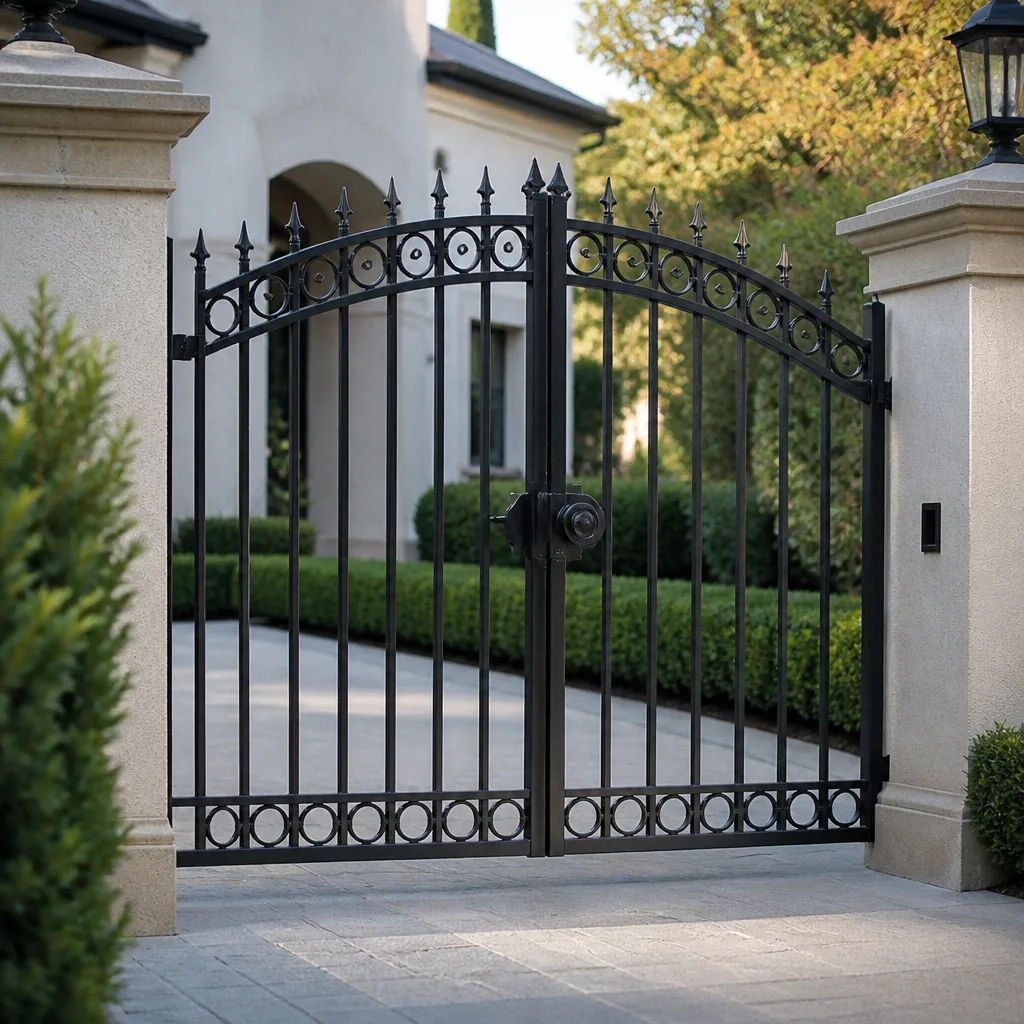 Wrought iron
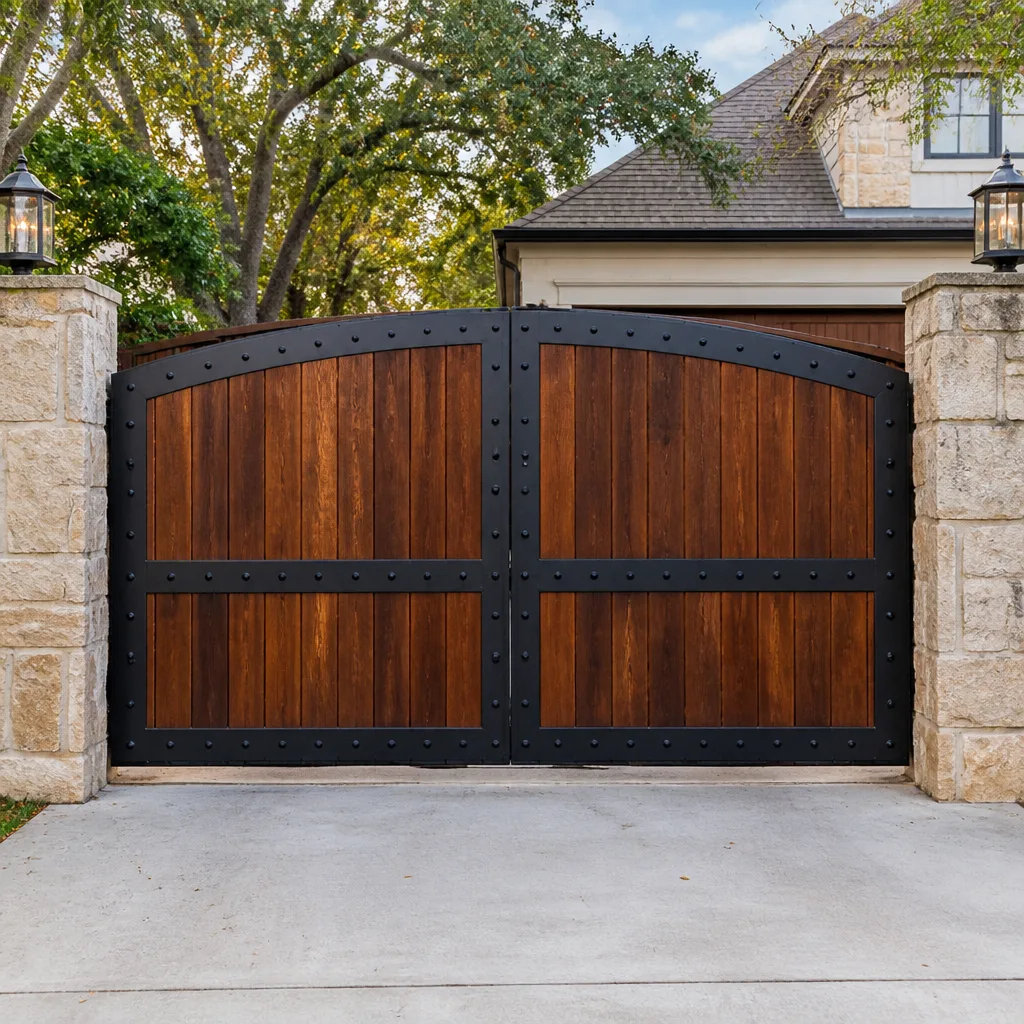 Wood & steel frame
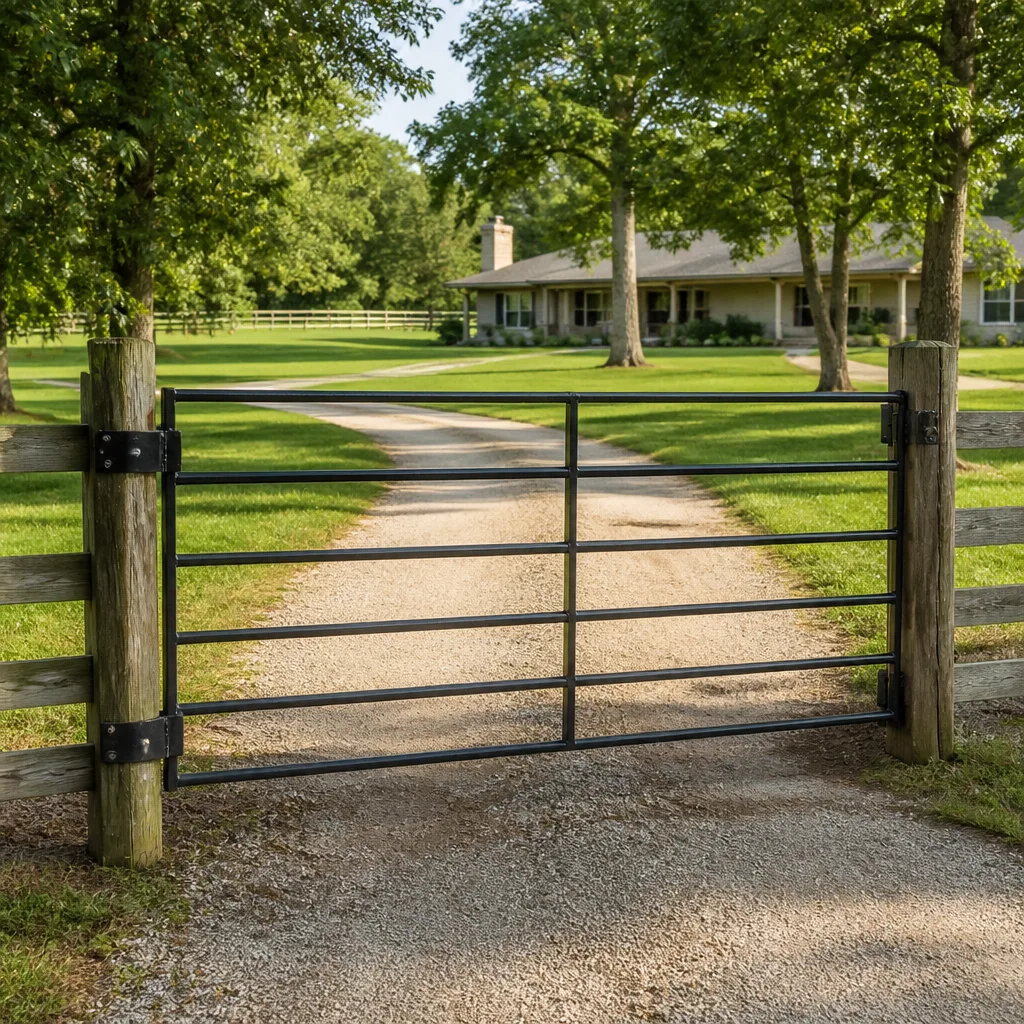 Farm & ranch
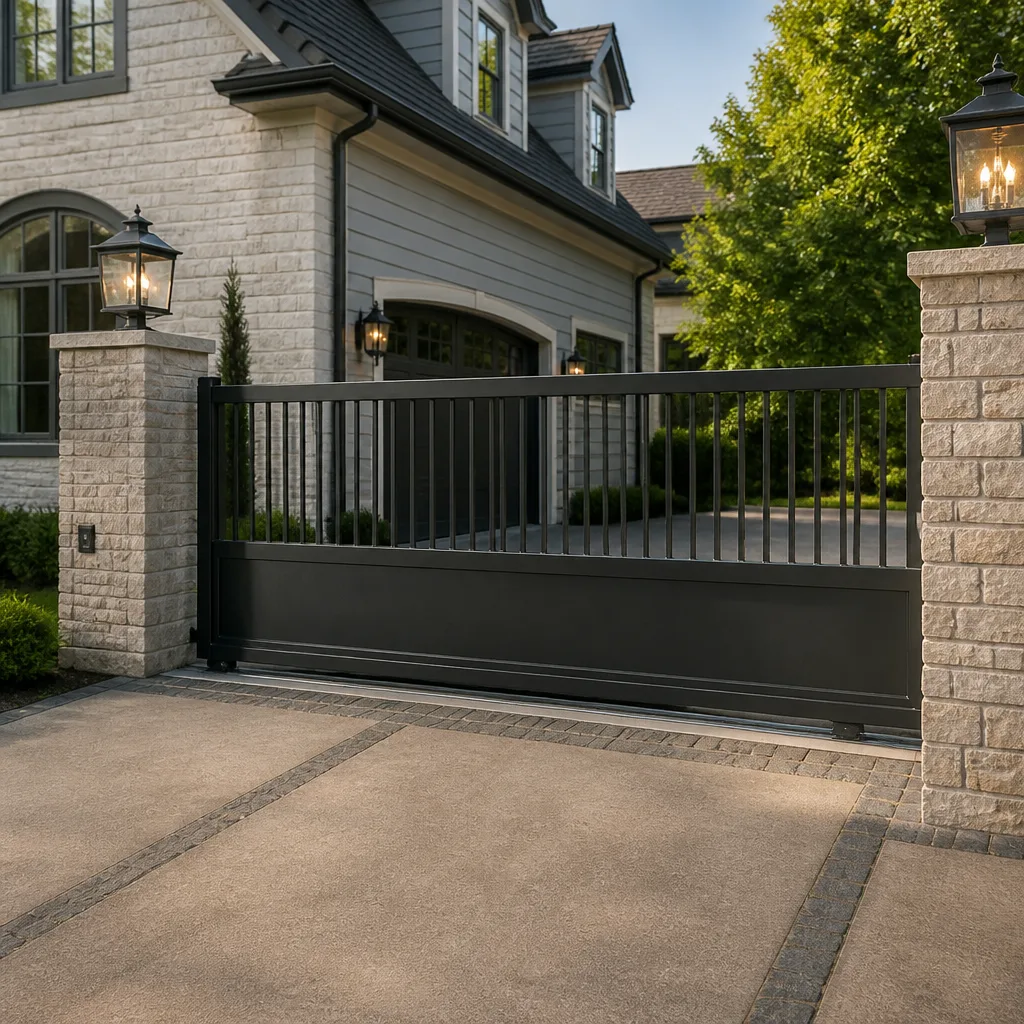 Sliding driveway gates
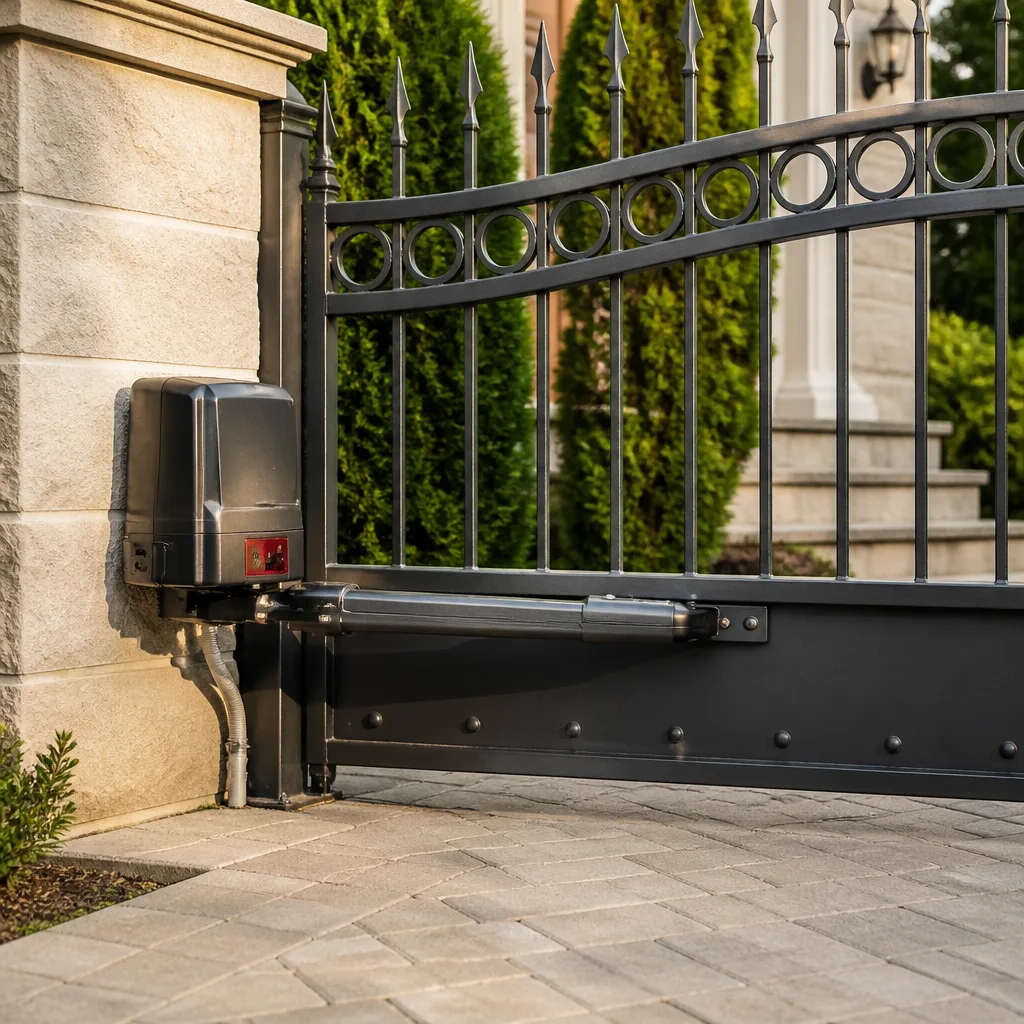 LiftMaster operators
Free on-site gate assessment - hinges, posts, and your LiftMaster or Nice gate operator checked before anything is quoted
The assessment is free and the quote is the invoice.
Get your free estimateSeasonal Gate Repair Care for Everett: Year-Round Homeowner’s Guide
Most gate maintenance advice you’ll find online assumes four tidy seasons, each with its own checklist. Everett doesn’t work that way. Here, the year splits into two real phases: a long wet stretch that quietly loads stress onto every electrical and mechanical part of your gate, then a dry summer that finishes the job by forcing expansion and contraction through metal that’s already been working hard. If you time your care around those two phases instead of the calendar, you’ll catch most failures before they strand you. This guide walks through each window, from pre-wet-season prep to the fall check that most Everett homeowners skip.
Quick Answer
In Everett, gate care follows two climate phases rather than four calendar quarters. Prepare in September and October before the wet season arrives, monitor for water intrusion and mechanical strain through the winter, audit wear and corrosion in March and April, and handle alignment and limit switch calibration during the dry summer. The fall readiness check is the single step most homeowners skip, and it causes the most winter repair calls we get.
Styles & brands we work with
- Wrought iron
- Wood & steel frame
- Farm & ranch
- Sliding driveway gates
- LiftMaster operators
Table of Contents
- Why Gate Care in Everett Doesn’t Follow Four-Season Logic
- Pre-Wet Season Prep: September and October
- Mid-Winter Triage: December Through February
- Spring Transition Checks: March and April
- Summer Expansion and Limit Switch Problems
- Fall Readiness: The Window Everett Homeowners Skip
- What Your Gate Brand Tells You About Maintenance Timing
- A Simple Seasonal Care Calendar for Everett
Why Gate Care in Everett Doesn’t Follow Four-Season Logic
Everett gets roughly 38 inches of rain per year, and almost all of it falls inside a six-month window. That concentration matters more than the annual total. Your gate’s operator housing, control board, battery backup and limit switches don’t get a slow, even exposure to moisture across twelve months. They get one long, steady soaking, then a dry stretch that pulls that moisture back out and shrinks everything it touched. The damage comes from the cycle, not from any single storm.
Generic maintenance guides tell you to “service your gate each season,” which in practice means a homeowner in Everett does four light checks and still misses the two transitions that actually matter. The result shows up as predictable failures: a ghost-triggering gate in January when a limit switch has drawn in moisture, a sticking slide gate in July when rail tolerances have shifted with the heat, and a control board that gives up in year three instead of year eight because nobody sealed the housing entry points.
Our technicians have up to experience, and the pattern we see across Everett and the surrounding neighborhoods is consistent. Gates that get a real pre-wet-season prep and a genuine fall readiness check go years longer between repairs than gates that only get attention when something breaks.
What the two-phase model means for you
Instead of asking “what month is it?”, ask “which side of the wet season am I on?” If you’re heading into the rain, your job is sealing and testing. If you’re coming out of it, your job is inspection and adjustment. Everything else in this guide hangs off those two questions.
Pre-Wet Season Prep: September and October
September and October are the most valuable maintenance weeks of the year for a gate in Everett. This is the window when the weather is still workable, the ground is still draining well, and you can still get ahead of the moisture that will define the next six months. Three things matter more than anything else in this window:
- Seal the entry points on the operator housing. Every cable, every conduit connection, and every gasket edge on the housing is a place water can get in and a place you should inspect before it does. Look for cracks in gaskets, hardened or missing seals around cable entries, and any gap that lets you see daylight into the enclosure. A small tube of appropriate sealant and a fresh gasket cost far less than a controller board.
- Test battery backup capacity. A gate with a failing battery works fine on mains power right up until the first outage, and then it won’t cycle at all. Test the backup before the storm season, replace an aging battery before it fails in the rain, and make sure the charging circuit is actually reaching the battery. On brands like Viking and Ghost Controls the battery is often a simple, user-replaceable item that homeowners ignore until it leaves them locked in.
- Inspect drainage around post foundations. A gate post that sits in standing water all winter loses stability, and a gate that’s shifting at the base will trip sensors and strain the operator. Walk the line of your posts, look for low spots, and if water pools near a footing, redirect it. Even a small grade adjustment makes a difference.
Do all three of these in October and you’ve cut the most common winter failure causes off at the source.
Mid-Winter Triage: December Through February
December through February is peak rainfall in Everett, and this is when you switch from preparing to monitoring. The goal here isn’t a big maintenance project; it’s catching early warning signs before they cascade into a repair call. Here’s what to watch for:
- Then button or keypad responds intermittently. This is often the first visible sign of water intrusion in an access control unit or control board. If a DoorKing keypad or your handheld remote starts working “sometimes,” that’s not a fluke.
- The gate reverses or stops mid-travel. Moisture in the limit switches, or a gate that’s shifted slightly on wet ground, throws off the position logic. A gate that reverses for no obvious reason should be taken seriously.
- Breakers tripping or fuses blowing. Electrical faults during wet season are a hard stop. Don’t reset and keep cycling; investigate.
- Strange smells or scorch marks on the board. Look, don’t touch. A control board with visible heat damage needs a professional diagnosis, and you should cut power before anything else.
- Sagging or grinding hinges and rollers. Wet months are hard on hinge and roller assemblies, and a gate that starts to scrape is wearing its motor out with every cycle.
How to tell water intrusion from a different fault
Water intrusion usually shows up as intermittent behavior that gets worse after heavy rain and improves when things dry out. A mechanical fault is usually consistent regardless of weather. If your gate works fine on a dry Tuesday and fails on a rainy Wednesday, you’re probably looking at moisture, not a worn part. Our electric gate repair service exists specifically because that pattern is so common here.
When to call, when to wait
Call right away if you see sparks, smell burning, or the gate stops moving in a way that blocks access or leaves the property unsecured. Watch and record if the symptom is intermittent and the gate is still functioning; timing the failures against rainfall tells a technician a lot. Don’t ignore a symptom through winter hoping it’ll sort itself out in spring. Water damage gets more expensive every week you ignore it.
Spring Transition Checks: March and April
March and April are your inspection window. The wet season is winding down, everything is still soft and readable, and you can see what six months of moisture actually did. This is where you catch the cumulative wear before it becomes a summer breakdown.
Post-season corrosion audit
Walk the full length of your gate and look for rust at the weld seams, at the hinge pins, and at every bolt or fastener that holds the frame together. Surface rust on a painted frame is one thing; rust creeping into a hinge or a fastener is another. A light wire brushing and touch-up paint now prevents the deeper corrosion that forces hinge replacement later. Pay special attention to the bottom rail of any slide gate, which sits closest to the wet ground.
Hinge and roller wear assessment after high-cycle wet months
Rollers, wheels, and hinge pins on a residential swing or slide gate take a beating over the wet months. Check for wobble, flat spots, and uneven wear. Slide gate rollers in particular should roll smooth and true; if the gate moves in fits and starts, the rollers or the track are the likely cause.
Operator and control box inspection
Open the operator housing (with power off) and look for any signs of moisture: water droplets, condensation, corrosion on terminals, or a musty smell. If any of these are present, the housing wasn’t fully sealed going into the wet season, or something worked loose. A quick reseal in March saves the board from a second wet season.
Limit switch check
Cycle the gate through its full open and close range three or four times and listen. A limit switch that’s out of adjustment sounds right but stops the gate at the wrong point, or forces the gate to work harder to reach its stopping position. On brands like Elite and Viking, limit switch calibration is a routine adjustment that makes a big difference in motor life.
Summer Expansion and Limit Switch Problems
Here’s the counterintuitive part of gate care in Everett: the dry summer causes failures that look like winter problems. As the wet season ends, everything that absorbed moisture starts to dry out and shrink. Metal frames, gate posts set in the ground, and concrete footings all move slightly as the ground pulls moisture back out of it, and the gate that was perfectly aligned in March will often sit slightly off in July.
What that looks like in practice:
- Gate gap alignment shifts. The gap between the gate leaf and the post changes, or a slide gate that ran true on its track starts to bind at one end of its travel.
- Limit switch calibration drifts. The gate stops short of fully open or fully closed, or it grinds against its stop because the position the operator thinks it’s in doesn’t match where the gate actually is.
- Sensors trip more often. Photocell alignment that was fine in wet weather can drift when the post it’s mounted to shifts with drying ground.
Summer alignment check
Cycle the gate slowly and watch the full path of travel. Note any point where the gate seems to slow down fractionally or where the gap to the post changes. On a slide gate, stand at the open end and sight along the track; a visible bow or a section that dips usually points to a post that’s moved.
When the summer problem is actually a limit switch problem
If your gate stops at the wrong point consistently in one direction, the limit switch is out of calibration. If it stops inconsistently, the issue is usually a mechanical bind or a control board fault. Distinguishing between these two doesn’t require a technician on every case; cycle the gate with the operator disconnected and confirm the gate itself moves freely. If it does, the problem is in the operator and its switches.
Fall Readiness: The Window Everett Homeowners Skip
The maintenance window most Everett homeowners skip is the one right before the wet season, specifically the transition from late August to early October. By September, everyone’s busy, the weather is still nice, and the gate hasn’t failed yet, so the natural instinct is to put the gate on the “when it breaks” list. That instinct causes the most winter repair calls we get.
Here’s why. Every winter failure we see breaks down into one of two categories: a component that was already weak going into the wet season, or water intrusion that a simple seal or drainage fix would have prevented. The fall readiness check is designed to catch both, and it takes a couple of hours on a Saturday afternoon.
The fall readiness checklist
- Inspect and reseal every operator housing entry point. Gaskets, cable entries, and conduit connections. Don’t rely on last year’s seal.
- Test battery backup. Cut mains power to the operator and cycle the gate. If it won’t cycle cleanly on battery, replace the battery before the wet season.
- Clear and check drainage. Walk the perimeter of every post and check the ground grade. Redirect any standing-water-prone low spots.
- Cycle-test the full range of motion. Note any hesitation, noise, or speed change and address it now rather than in January.
- Lubricate hinges, rollers, and lock mechanisms with an appropriate lubricant. Wet-season operation on dry hinges accelerates wear.
- Check sensor and photocell alignment. Loose or misaligned photocells will trigger false reverses in rain and wind.
- Review your access control and keypad for intermittent button response. Any sign of moisture entry is best handled now.
If you can’t do all seven yourself, do the first three and book a professional inspection for the rest. The other four are the ones that most often turn into emergency calls.
What Your Gate Brand Tells You About Maintenance Timing
We work on the brand you already own, and that matters for maintenance because different operators fail in different ways. Knowing which family your gate belongs to tells you what to watch for in Everett’s two-phase climate.
Consumer-grade residential operators
Brands like Viking and Ghost Controls are built for homeowners, and they’re usually reliable and user-serviceable. Their weak point in Everett’s wet climate is battery backup and control board moisture. On a Ghost Controls system, an aging battery often masks a failing charge circuit, so test the battery on a schedule. On a Viking system, the housing seal is the first thing to check every fall.
Mid-range residential and light commercial
Elite operators and similar units split the difference well. Their weak point is usually limit switches and mechanical wear after a long wet season. If your gate starts stopping short or working harder to reach its stop, limit switch calibration is the first thing to check.
Commercial and access control
DoorKing systems on shared entrances and HOA gates have their own pattern: the access control unit itself is typically the moisture-sensitive component, while the operator and gate hardware hold up better. If a DoorKing keypad or entry system goes intermittent during wet season, the panel housing and the conduit runs into it are the first place to look. This is also where we see the most value in catching problems early, because a commercial access control failure often means callboxes, keypads and intercoms that lock out an entire community.
If you’re not sure which family your gate falls into, or your brand isn’t on this short list, our gate repair team can usually identify the operator and its maintenance profile on the first visit.
A Simple Seasonal Care Calendar for Everett
Here’s how a care plan looks when you organize it around Everett’s two climate phases instead of four seasons. This isn’t a strict schedule; it’s a rhythm that keeps your gate functioning across the years.
Late August through early October: Fall readiness
- Full housing inspection and resealing
- Battery backup test and replacement if needed
- Drainage inspection around all post foundations
- Preventive lubrication of hinges, rollers and locks
- Full cycle-test and symptom logging
December through February: Mid-winter triage
- Watch for intermittent button or keypad response
- Note any weather-correlated cycling issues
- Check for tripped breakers or blown fuses
- Call immediately for sparks, burning smells, or blocked gates
March and April: Spring transition
- Full corrosion audit
- Hinge and roller wear assessment
- Operator and control box inspection
- Limit switch calibration check
June through August: Summer expansion check
- Alignment check after dry-season ground movement
- Limit switch calibration recheck
- Sensor and photocell alignment
- Address any drift or binding before fall
If your gate fails a step in any season, the fastest path to a diagnosis is a professional check. Our Gate Repair Everett page is the right place to start for what we do and how to reach us.
Common Mistakes to Avoid
- Treating spring as the big maintenance season. In Everett, the critical maintenance window is late summer and early fall, right before the rain arrives. Spring is inspection; fall is preparation. Reversing them means you reseal a housing that’s about to go into the wet season unsealed.
- Ignoring intermittent behavior. A keypad that works “most of the time” or a gate that reverses “sometimes” is telling you something. In this climate, intermittent is usually an early warning of water intrusion, not a quirk to live with.
- Skipping the battery backup test. An aging battery can work fine for months and then leave you locked out on the first power outage of the wet season. Test it in the fall, not after it fails.
- Resealing once and calling it done. Gaskets and seals are wear items. The seal that protected your housing last winter is not the seal that protects it this winter. Inspect and replace every fall.
- Letting drainage around posts go unaddressed. A gate post in standing water all winter loses its footing stability, and a shifting post strains the operator, throws off sensors, and misaligns the gate. Fixing drainage is cheaper than fixing all the secondary problems.
- Resetting breakers and continuing to cycle the gate. If a breaker trips during wet season, stop and investigate. Repeated resets can turn a controller board fault into a full operator replacement.
- Assuming summer means you can skip checks. The dry season causes its own failures: gap alignment drift, limit switch calibration drift, and photocell misalignment as posts settle. Summer isn’t downtime; it’s the alignment season.
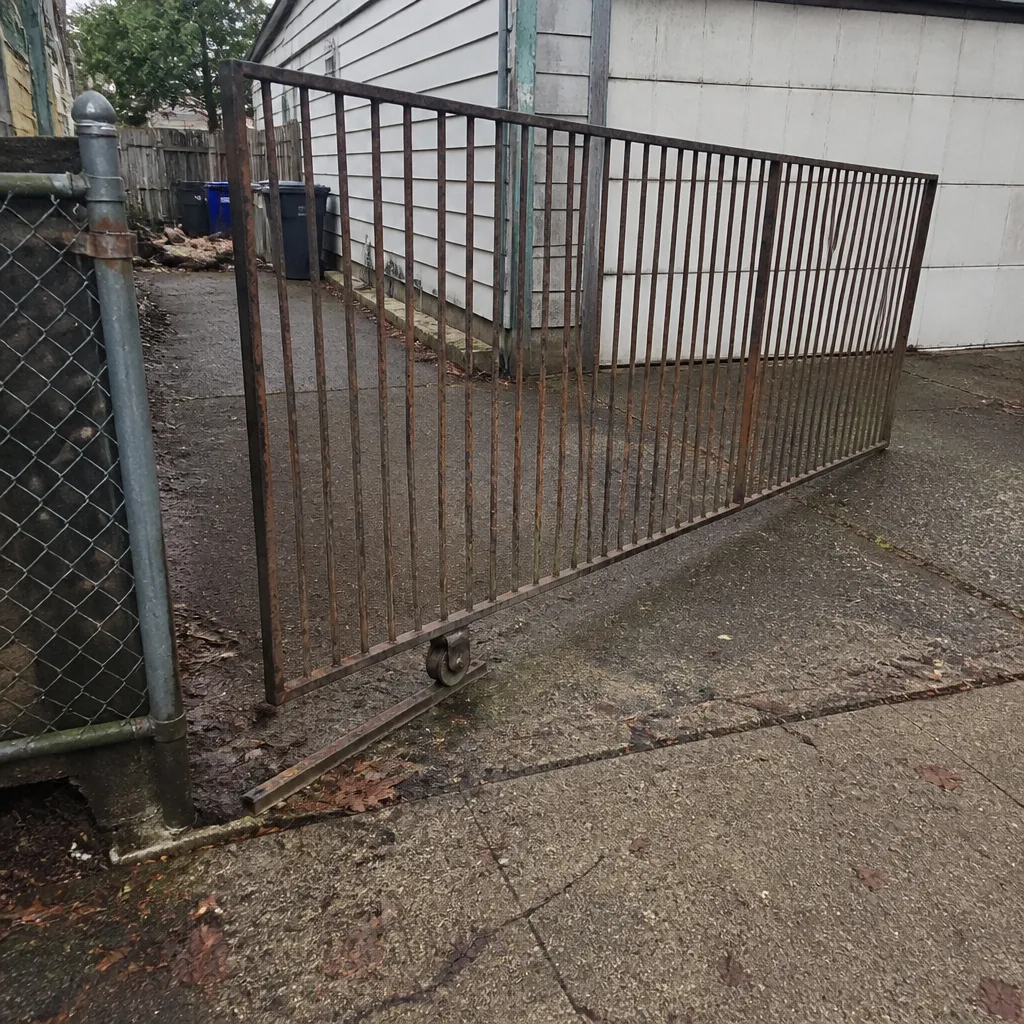
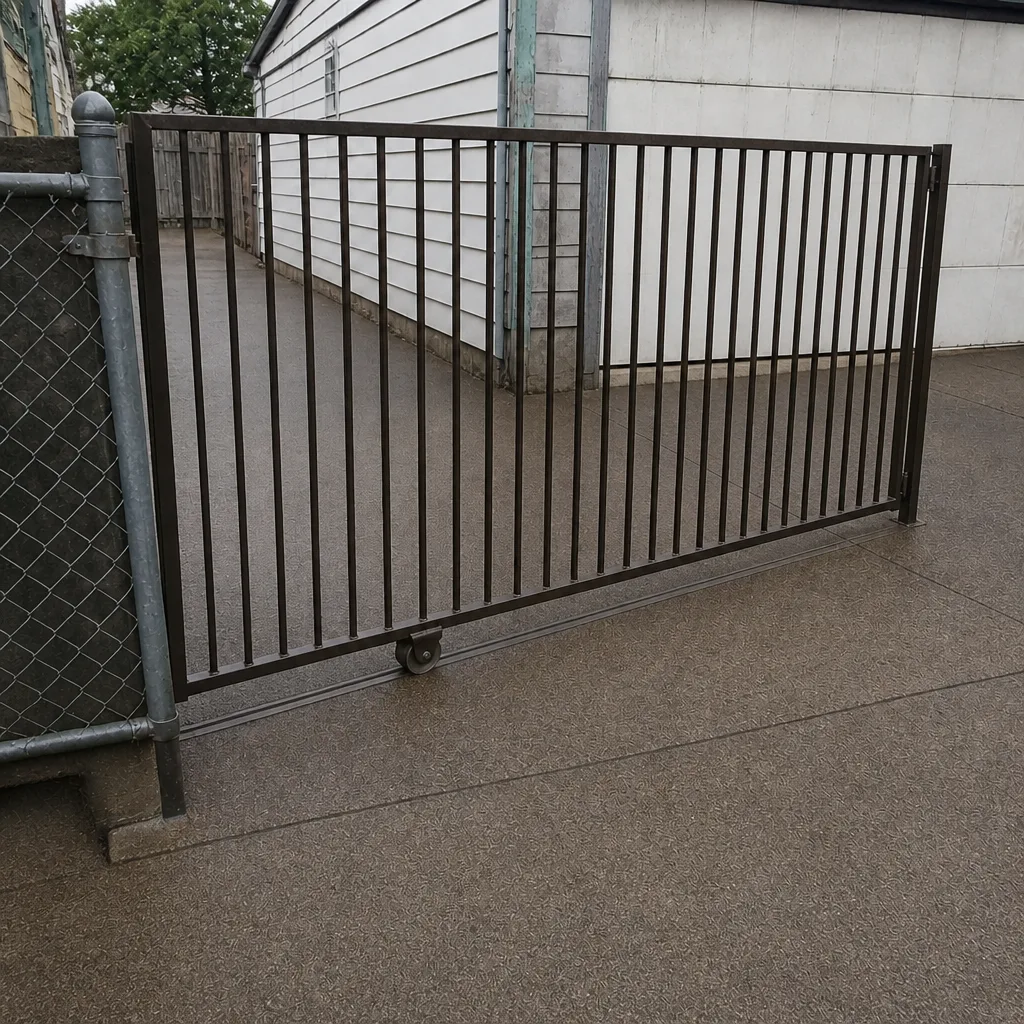
See the difference
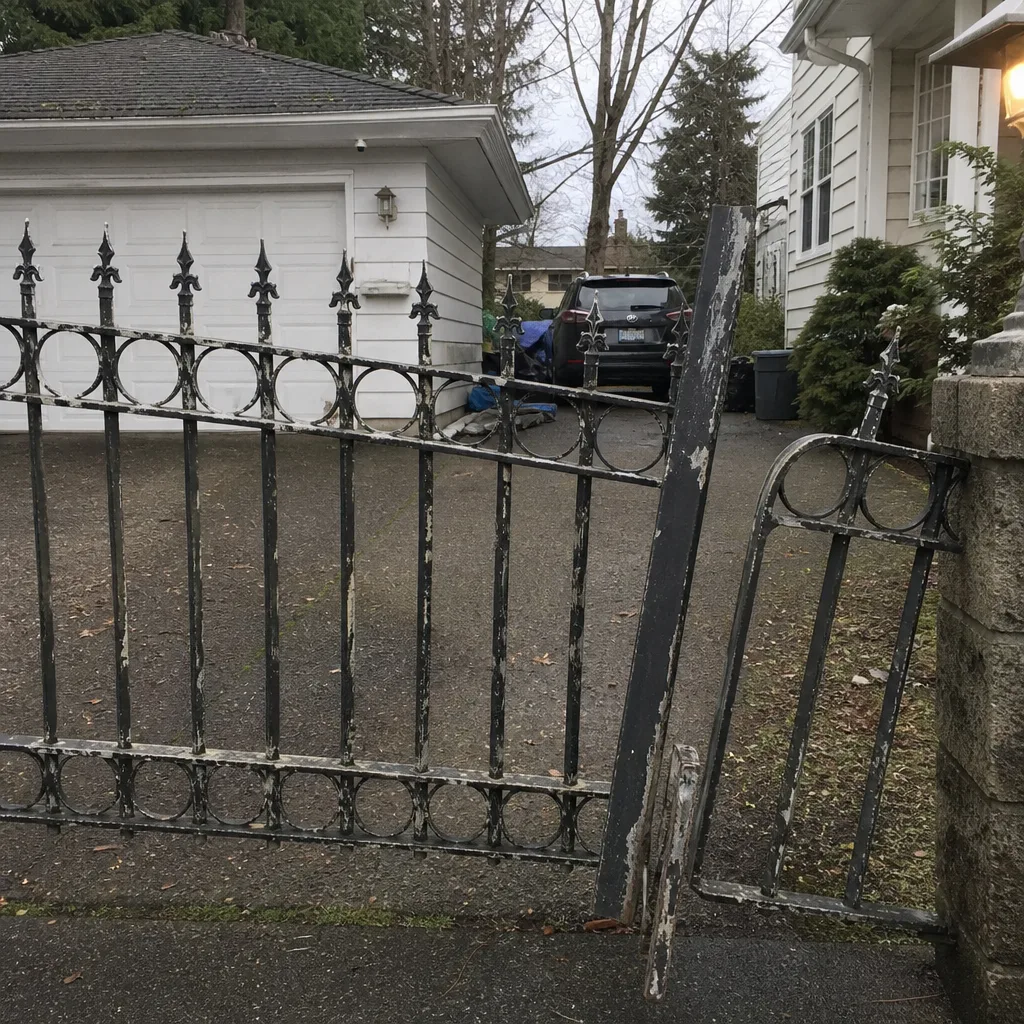 Before
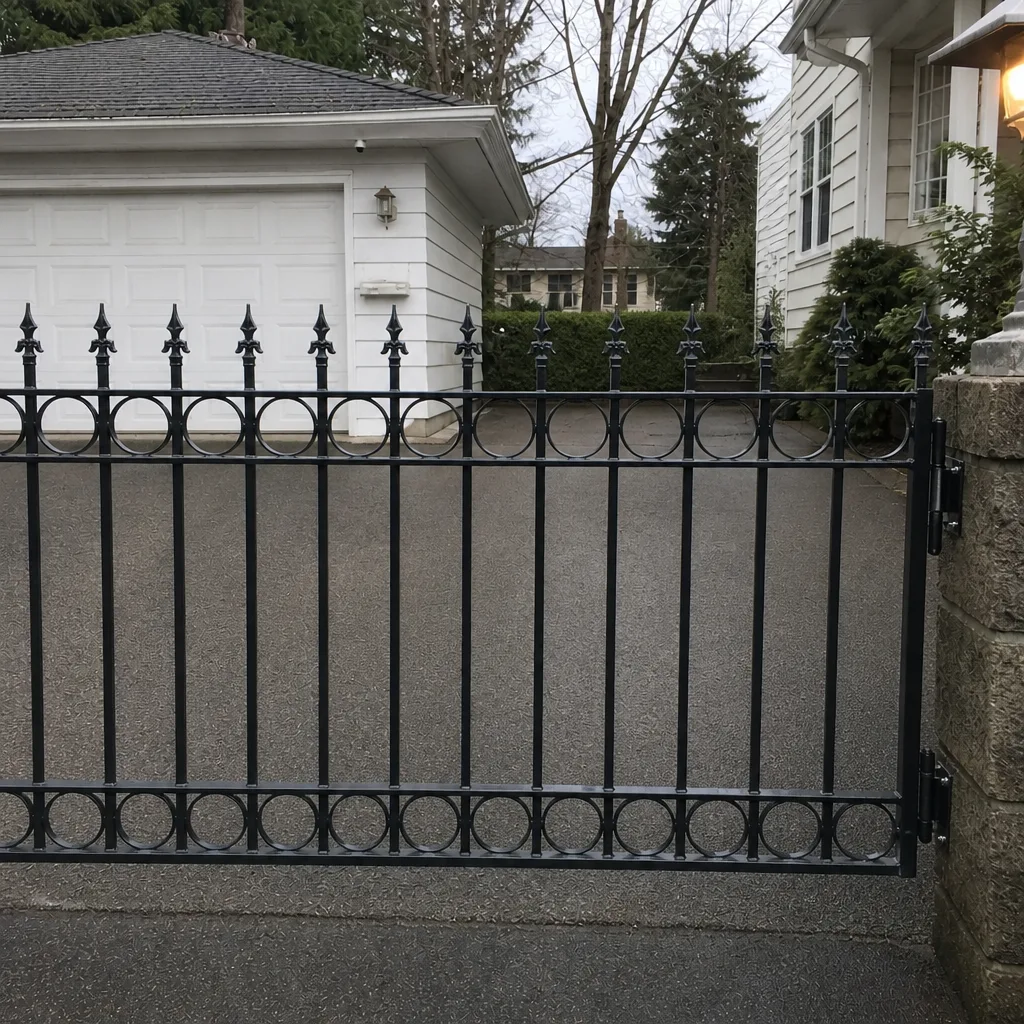 After
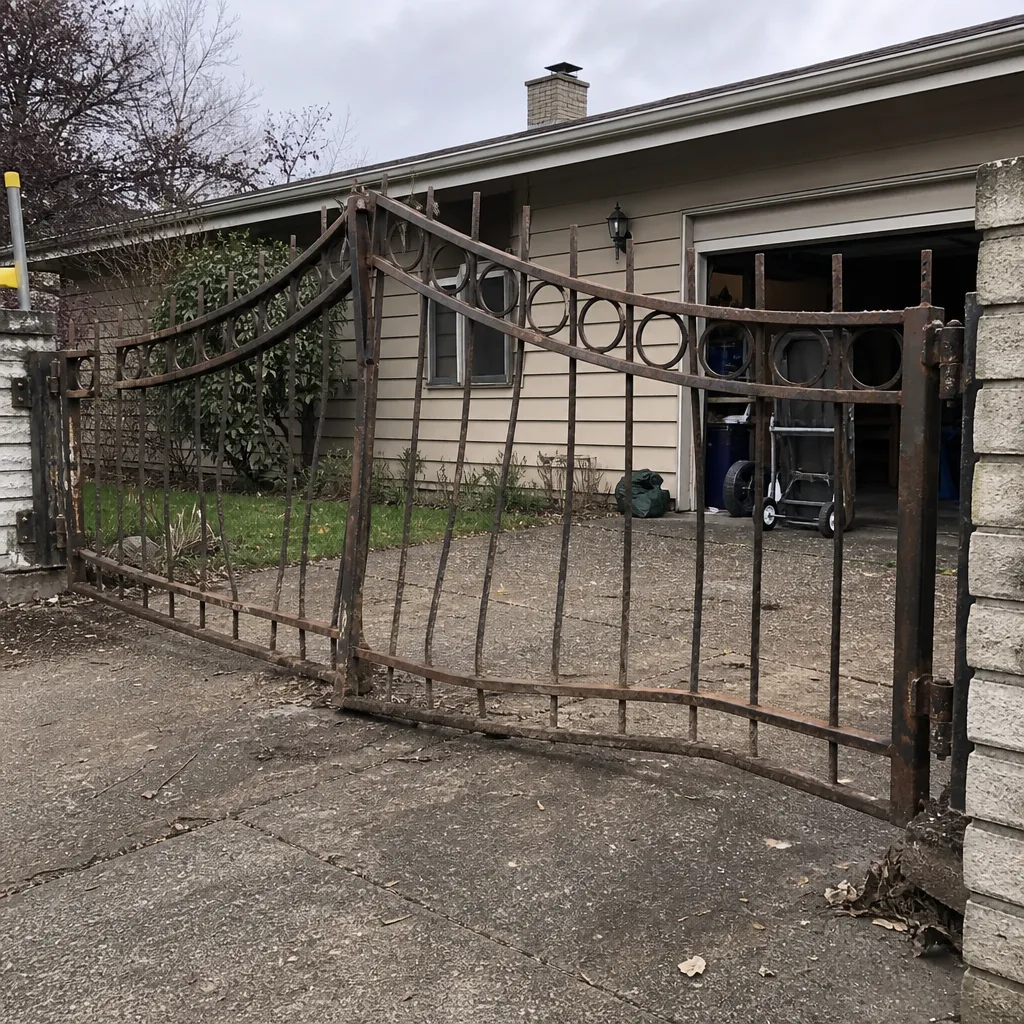 Before
 After
 Before
 After
When to Call a Professional
Call a professional when you see anything that could mean electrical fault (sparks, scorch marks, burning smells, repeated breaker trips), when the gate blocks access or leaves the property unsecured, or when a symptom persists after heavy rain. Call when a control board or access control unit goes intermittent, when a limit switch problem survives a basic alignment check, or when the gate is grinding or binding in a way that suggests mechanical failure. Our technicians have up to experience across the residential and commercial operator brands covered in this guide, and we diagnose before we recommend repair or replacement. Gate Repair Everett offers free estimates in Everett. Call (844) 834-1197.
Frequently Asked Questions
Twice a year, timed to the two climate transitions: once in late summer or early fall (August through October) before the wet season, and once in spring (March or April) after it. That rhythm covers the pre-wet-season prep and the post-wet-season inspection that matter most in this climate. Homeowners who cycle their gate multiple times a day, or who have a large slide gate on a long track, may benefit from a mid-winter check as well.
Water intrusion into control boards, access control units, and limit switches, followed by alignment drift as the ground dries out in summer. The wet-season failures we see are usually preventable with a fall sealing and drainage check. The summer failures are usually an alignment or calibration adjustment rather than a hard part failure. Both patterns follow the two-phase climate model this guide is built around.
Yes for a lot of it: inspecting and resealing housings, testing battery backup, checking drainage, lubricating hinges and rollers, and cycling the gate to note symptoms are all within reach for a careful homeowner. What you shouldn’t do yourself is anything involving live electrical work, opening a control board or access control unit while powered, or adjusting limit switches on an operator you don’t know. A gate has no torsion springs, but the operator wiring, heavy panels that can crush, and slide gates that can come off their track are serious hazards. If a step involves opening a powered enclosure or adjusting electrical components, that’s when a trained technician should step in.
Repair work that returns a gate or its operator to its prior configuration usually doesn’t require a permit, but new installations, structural changes, or any change to the electrical supply typically do. Ask the city’s building department about the specific work before proceeding; the rules vary by scope and by whether the gate is on a private drive or a shared access point. It’s a quick call that avoids surprises.
Most likely yes. Intermittent behavior that correlates with rainfall is the classic water intrusion pattern. The question is where: the operator housing, the access control unit, the keypad, or a wiring junction. If you can, note which specific function fails (the button, the remote, the keypad, the cycle itself), since that narrows the source. Call (844) 834-1197 for an exact quote once you’ve decided to have it looked at; estimates are free.
Repair is usually the right answer when the failure is a specific component (a limit switch, a battery, a seal, a sensor), even multiple components failing together. Replacement makes sense when the operator itself is failing repeatedly across different parts, the gate structure has corrosion or alignment problems that repairs won’t hold, or the operator no longer matches your access control needs. We’ll tell you which path actually makes sense after we look at the gate and its real condition. That’s why repair-or-replace is a diagnostic decision, not a sales one.
The Bottom Line
Gate care in Everett works best when you stop thinking in four seasons and start thinking in two phases: prepare before the wet season, inspect and calibrate after it. The single highest-value step is the fall readiness check in late summer and early fall, where you seal the housings, test the battery backup, and check drainage around post foundations before the rain arrives. If you do that one window properly, most winter repair calls evaporate. Add a spring inspection and a summer alignment check, and you’ll get more years of service out of your gate and its operator. When something looks off or you’d rather leave the checks to a trained technician, we’re here. Call (844) 834-1197. We answer 24/7. Fast dispatch from 7am to 7pm, Sunday through Friday.
Written by the team at Gate Repair Everett.