
Last updated November 16, 2026
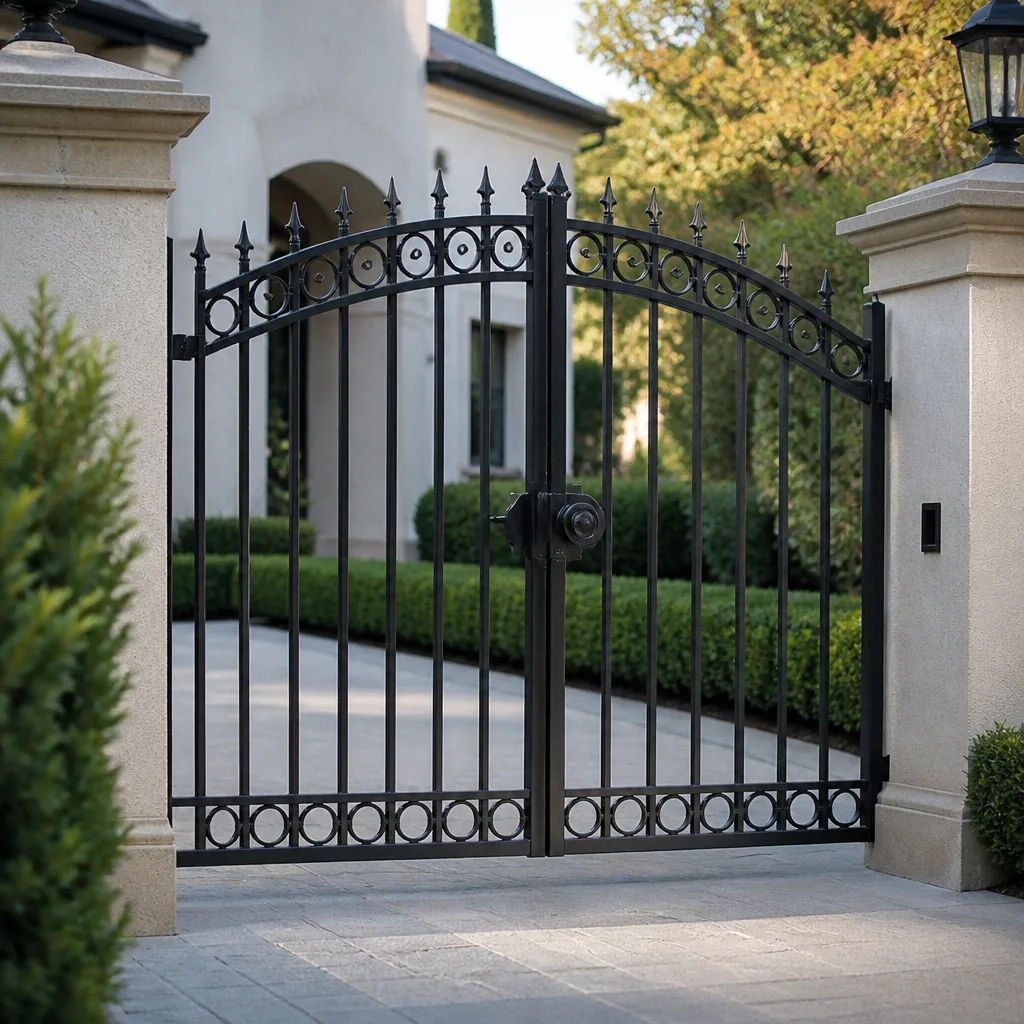 Wrought iron
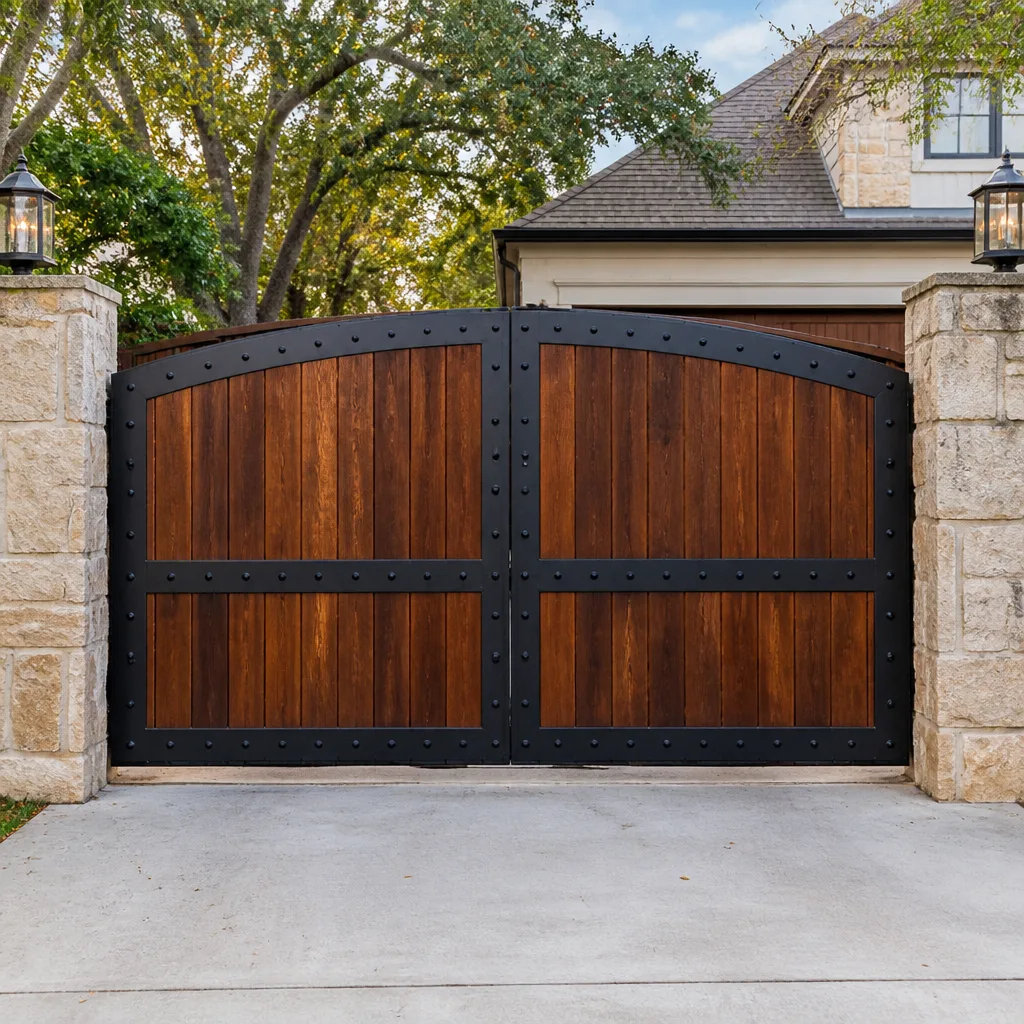 Wood & steel frame
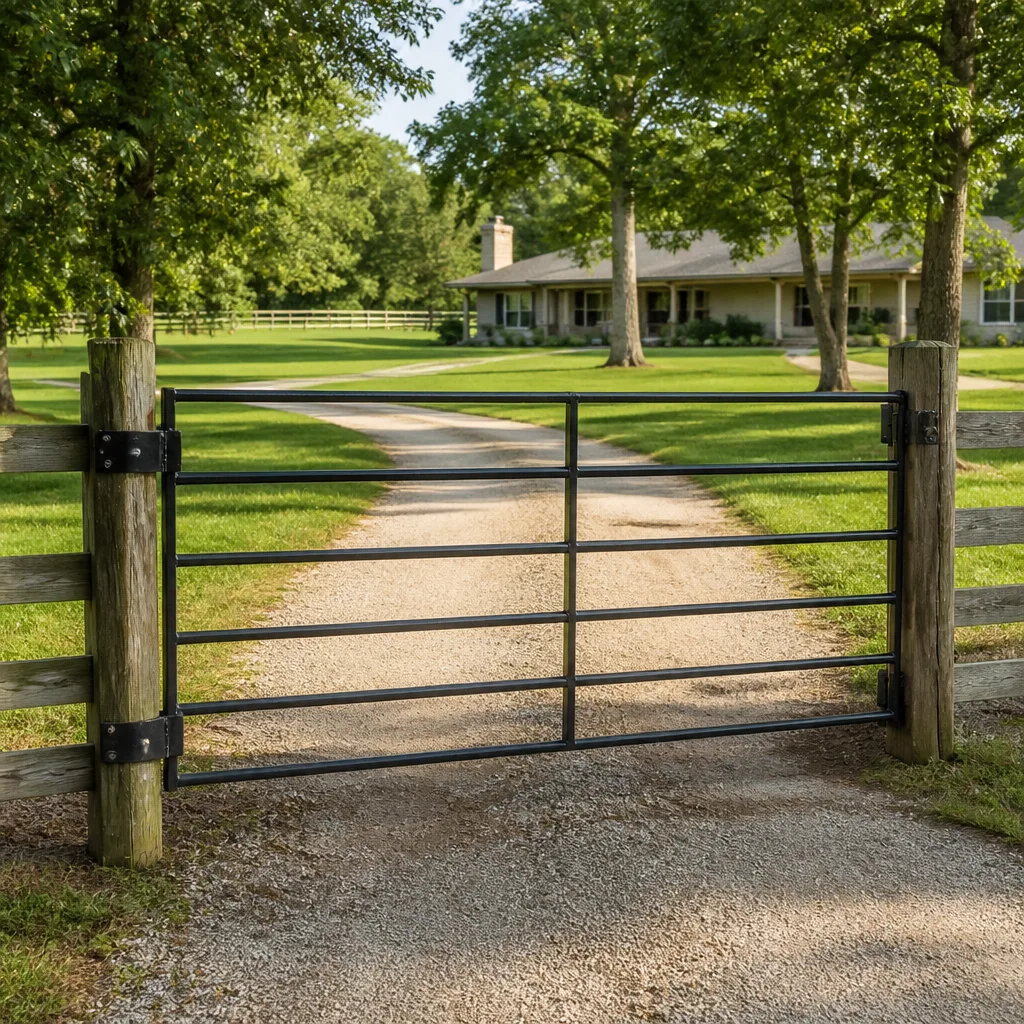 Farm & ranch
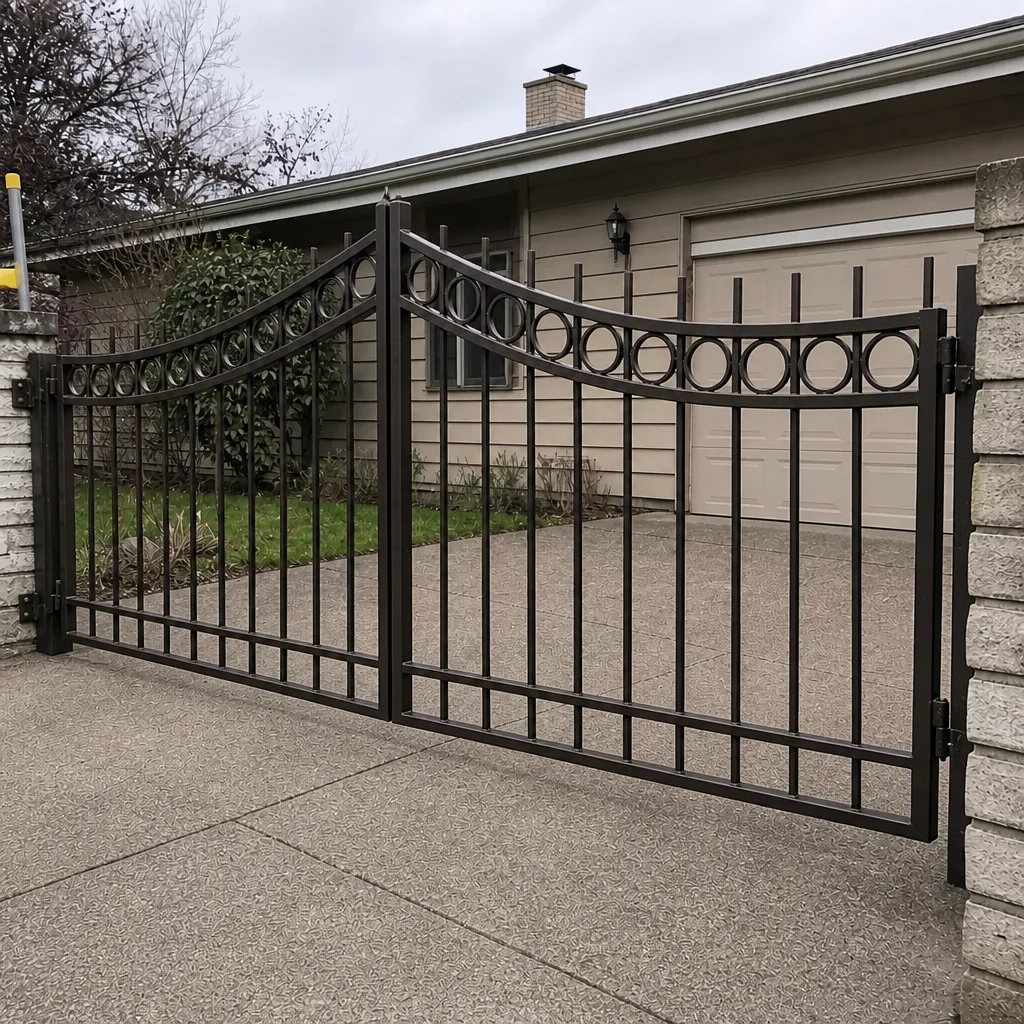
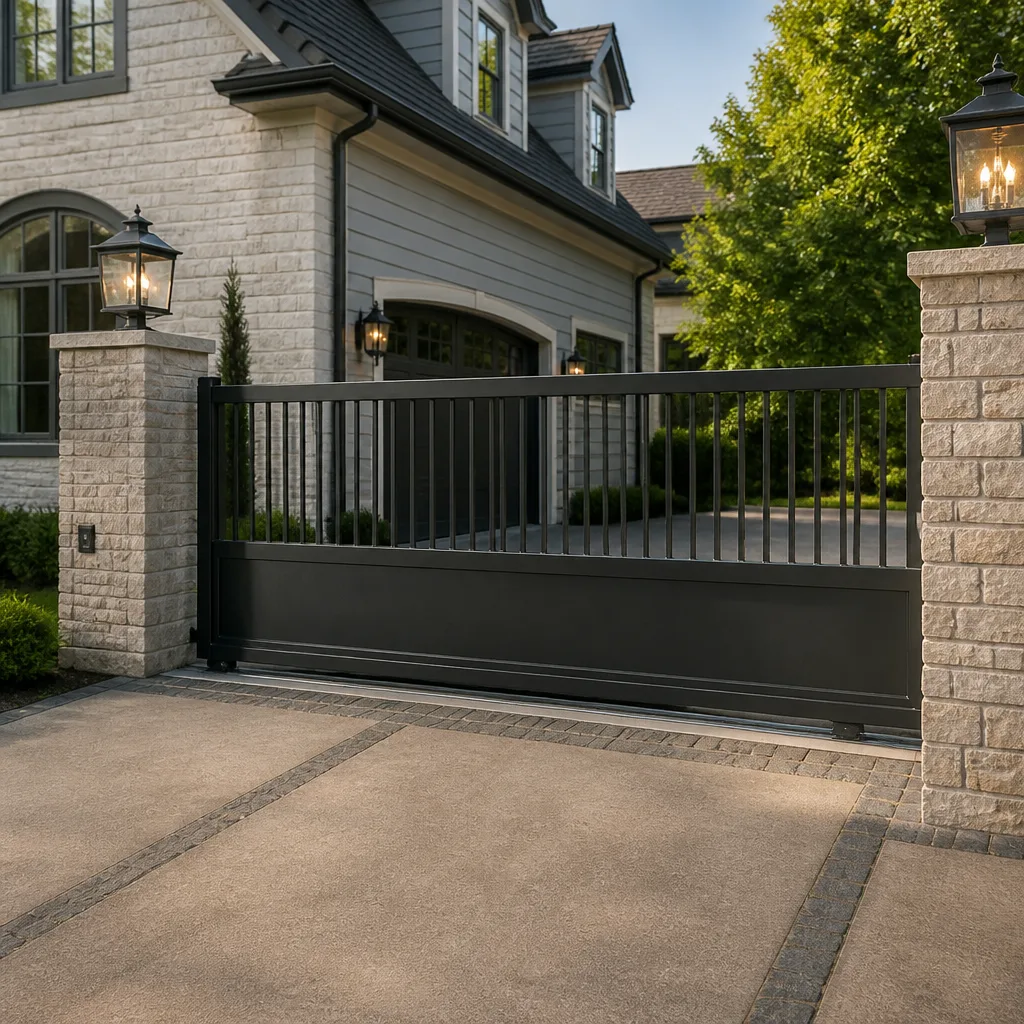 Sliding driveway gates
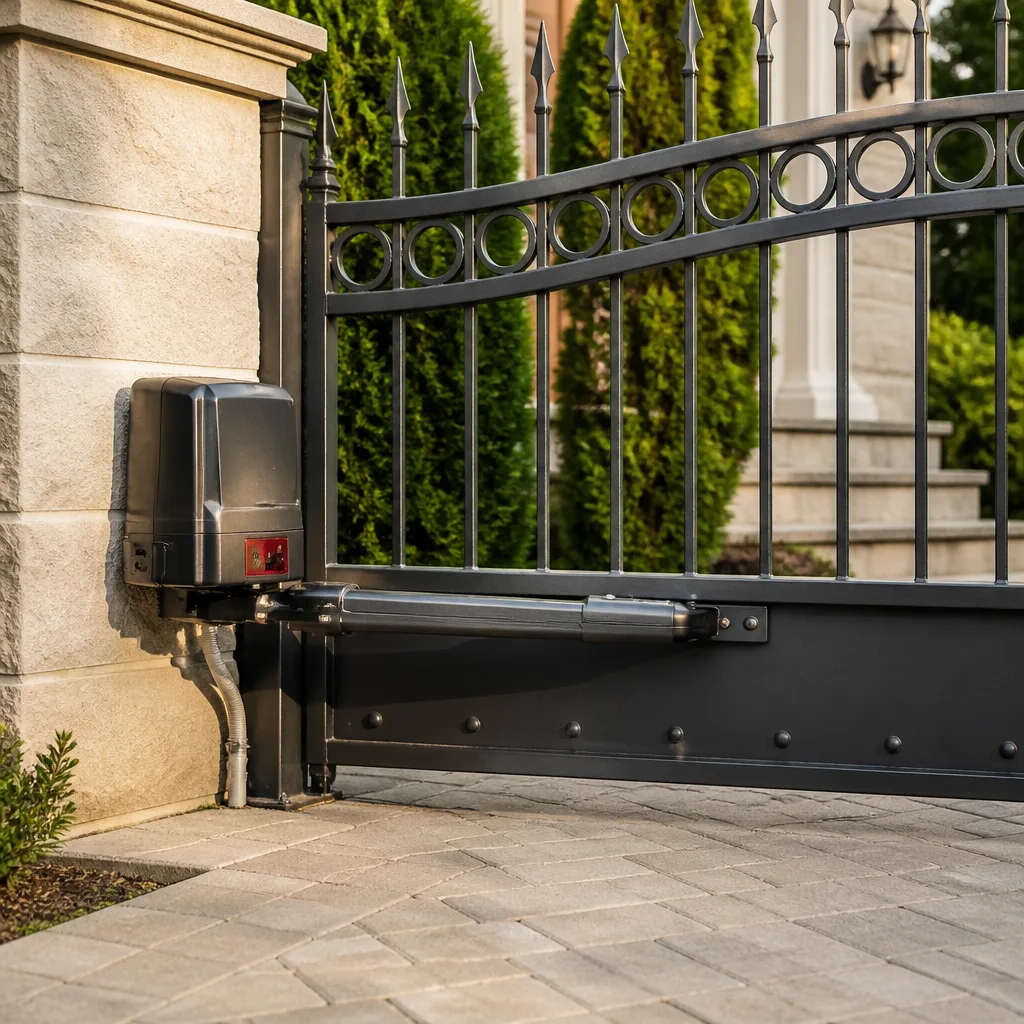 LiftMaster operators
Free on-site gate assessment - hinges, posts, and your LiftMaster or Nice gate operator checked before anything is quoted
The assessment is free and the quote is the invoice.
Get your free estimateGate Repair Permits, Codes & Inspections in Everett, WA: What You Need to Know
Most people think of a gate as a repair item, not a permit item. That’s the misconception this guide exists to correct. In Everett, the moment gate work stops being a fix and starts being a structural change or a new automated installation, the City of Everett and Snohomish County permit rules come into play – and the paperwork trail matters later, during a home inspection, an HOA dispute, or an insurance claim after an accident. An automated driveway gate that injures someone without UL 325 compliance documentation is a liability problem, not just a safety problem. Below we walk through where repair ends and permitting begins, what the safety standard legally requires, which jurisdiction you answer to, and how to work with a contractor who pulls permits properly.
Quick Answer
Replacing a motor, circuit board, sensor, or control component on an existing gate is repair work and doesn’t require a building permit. Adding automation to a gate that wasn’t automated, replacing the entire gate structure, changing its footing, or altering the opening in a way that changes how the gate operates does trigger permit requirements under City of Everett building code – and Snohomish County rules apply instead if your property sits outside city limits. Any automated gate must also meet UL 325 entrapment protection requirements, which means proper photo-eye sensors, edge sensors, or both, verifiable by documentation.
Styles & brands we work with
- Wrought iron
- Wood & steel frame
- Farm & ranch
- Sliding driveway gates
- LiftMaster operators
Table of Contents
- Where gate repair ends and permitting begins
- UL 325 and entrapment protection: what’s legally required
- City of Everett vs. Snohomish County: which rules apply
- What happens when unpermitted gate work is discovered
- How to choose a contractor who handles permits right
- Commercial and HOA gate systems in Everett
- Common mistakes to avoid
- Frequently asked questions
Where Gate Repair Ends and Permitting Begins
This is the question that gets people into trouble, and the answer is more specific than most homeowners expect. A gate system has two lives: the structure and the operator. Structure means posts, footings, hinges, tracks, and the gate leaf itself. The operator is the motor, control board, sensors, and access control hardware. Most operator work is repair. Most structural work is where the permit line sits.
Here’s the general rule we’ve seen hold across Everett and the surrounding county: work that keeps the existing gate where it is, doing what it already did, is repair. Work that changes the gate, its footprint, its opening path, or turns a manual gate into an automated one is installation or modification, and that’s where the city gets involved.
The dividing line matters because a permit is not just paperwork. It means a building inspector confirms the structure is anchored properly for the wind and seismic loads we see in this part of Washington, that the operator’s entrapment protection is correct, and that the power run was done to code. If any of that is skipped, the gate still works – right up until it doesn’t, or until someone gets hurt, or until a buyer’s home inspector flags it.
- Repair, typically no permit: motor replacement, control board swap, sensor replacement, battery backup, keypad and access control swaps, hinge and roller replacement, welding a cracked mounting bracket
- Modification, typically permit required: replacing the whole gate leaf and track, changing post locations or footings, widening or narrowing the opening, converting a manual gate to automated
- New installation, permit required: a new automated gate where there wasn’t one, or a replacement gate that changes the structure or its footprint
When we quote a job in Everett, we identify the category up front so the scope is clear before a technician arrives. That conversation costs nothing. Our gate repair team would rather flag a permit question during the estimate than after the gate is bolted in place.
UL 325 and Entrapment Protection: What’s Legally Required
UL 325 is the safety standard for automated gate operators, and it’s the piece of a gate system most homeowners have never heard of until something goes wrong. It covers entrapment protection: the devices that stop a moving gate from crushing or pinning a person, animal, or vehicle. Every automated gate in Everett – residential or commercial – is expected to meet it, and an installer who skips it is exposing the property to real liability.
The standard works by requiring two types of entrapment protection: primary and secondary. Which devices are needed depends on the operator’s classification and how the gate moves. For a residential swing or slide gate, that generally means at least one recognized entrapment protection device, and often two.
- Photo-eye sensors: a beam across the opening. Break the beam and the gate reverses or stops.
- Edge sensors or safety edges: a pressure-sensitive strip on the gate’s leading edge that reverses the gate on contact.
- Reversing loops: buried or surface-mounted vehicle detectors that keep a slide gate from closing behind a car’s axle.
How it gets verified in practice: a professional technician tests each safety device at the time of service, confirms wiring and the operator’s internal safety check, and leaves documentation of the configuration. If you ever sell a property with an automated gate, or face an insurance review, that documentation is what answers the question.
We’ve seen the failure pattern often enough to be blunt about it. A homeowner calls because the gate “runs into things” or “closes even when a car is there.” Almost always the photo-eye has been bypassed, disconnected, or wired around to stop nuisance reversals. That’s a liability trap, not a repair. Sensors, safety edges, and control logic are what we diagnose on electric gate repair calls across Everett, and we never leave a gate running with its entrapment protection defeated.
City of Everett vs. Snohomish County: Which Rules Apply
Which permit rules apply depends entirely on where the property sits, and the boundary is not always intuitive. Inside the Everett city limits, the City of Everett building department handles the permit and inspection. Outside city limits but still in the county, Snohomish County handles it. Properties in or near the unincorporated areas, or in a community that has its own municipal code, may answer to a different office altogether.
This matters because the permit forms, inspection scheduling, and sometimes the review criteria differ between jurisdictions. A contractor who works only inside the city and assumes the county process works the same way will sometimes be wrong. When we quote a new installation or a structural modification, we ask two things before anything else: is the property inside the city limits, and is there a homeowner’s association with its own access-control rules on top of the building code.
That second question catches people. An HOA can have aesthetic and structural requirements around gate height, material, color, and placement that go beyond anything the city asks for. The gate can be perfectly permitted by the building department and still fail an HOA review. Access-control entrances in particular often carry HOA rules about who can change the call box, the keypad, or the clicker stack.
- Confirm the property’s jurisdiction: City of Everett, Snohomish County, or another incorporated city.
- Check whether the HOA has separate requirements for gate design, material, or access hardware.
- Match the permit scope to the actual work: repair, modification, or new installation.
- Pull the permit before work begins, not after.
- Schedule the inspection as part of the project, not as an afterthought.
For properties inside city limits, our Everett coverage handles both residential and commercial gates. For properties in unincorporated Snohomish County, we’ll walk the same steps with the county’s requirements.
What Happens When Unpermitted Gate Work Is Discovered
The honest answer is: it comes up later, in an awkward place, and it costs more to fix than it would have to do right. We’ve seen three situations repeatedly: a home inspection, an HOA dispute, and an insurance claim. Each one surfaces the same evidence and creates the same problem – a gate that works but has no record of who installed it or whether it was installed to code.
During a home inspection: a licensed home inspector reviewing a property will flag a new gate or an automated gate with no visible permit record. The buyer’s lender sometimes requires documentation before closing. What would have been a routine step at the time of work becomes a scramble to reconstruct what was done and prove the gate is safe – often made harder because the original installer is no longer reachable.
During an HOA dispute: an HOA reviewing access-control changes or a complaint about the gate’s operation can ask for documentation of the install and the entrapment protection setup. Without records, the default assumption is that the owner did the work without review.
During an insurance claim: this is the one that carries the most weight. If an automated gate injures someone and the entrapment protection can’t be documented as UL 325 compliant, the homeowner’s liability exposure grows, and the insurer will notice the lack of documentation. The claim can be denied or coverage can be contested because the loss involves an installation that wasn’t done to standard.
None of this is about bureaucracy. It’s about having a paper trail that answers the question “who did this work and was it done correctly?” A properly permitted and inspected gate installation does exactly that. For Gates & Entrapment Safety, LLC – the name on the permit – the file exists.
How to Choose a Contractor Who Handles Permits Right
This is where the two kinds of gate contractors separate. One pulls permits as standard procedure and builds the inspection into the project timeline. The other offers to skip the permit to save time and money, and invites the homeowner to sign paperwork that shifts responsibility to the owner. The second contractor is cheaper up front and more expensive later.
We’ve worked alongside both kinds of contractors, and the difference shows up in small moments. A contractor who pulls permits properly will:
- Ask about jurisdiction and HOA rules before quoting
- Explain which permit is required for the scope and why
- Include the inspection as part of the job, not an optional add-on
- Leave documentation of the entrapment protection configuration
- Recommend the correct safety devices even when the homeowner was ready to skip them
A contractor who encourages skipping permits will:
- Call a permit “extra” or “unnecessary” for anything but a brand-new gate
- Offer to “just do the install and let the county catch up”
- Cut corners on safety edges or photo-eyes to bring the price down
- Leave no documentation of what was installed
The remedy for a bad install is not a repair – it’s fixing the paperwork and the safety devices together, which is why we quote it as a distinct scope when someone brings us a gate that a previous contractor left undocumented. Whether the operator is a FAAC or a Linear, the permit and safety requirements apply the same way. From Gate Repair Everett, we’d rather be the company you called to do it right the first time than the one you called to fix what someone else skipped.
Commercial and HOA Gate Systems in Everett
Commercial gates and HOA access-controlled entrances face the same permit rules as residential ones, plus one more layer: they’re subject to additional inspection scrutiny because of traffic and public safety. A barrier arm at a commercial driveway, a slide gate at a self-storage entrance, or an access-controlled HOA entrance gate are all automated gates under UL 325 and all subject to the same entrapment protection logic – just with more riders going through them in a given hour.
We work on both sides of that line. Residential swing and slide gates are a core part of the work, and so are the commercial operators that move heavier gates on multi-unit properties. The brand library matters here because a lot of commercial entrances are running DoorKing or BFT operators while the residential gates around them use Ghost Controls or Viking. Each brand has its own failure patterns and its own safety-device wiring, and recognizing the model reduces guesswork on the first visit.
For an HOA contact managing an entrance gate, the practical steps are:
- Confirm the gate’s entrapment protection is active – photo-eye, loop detector, or safety edge.
- Keep documentation of the operator and its safety configuration on file with the HOA.
- Get a permit for any structural change, not a repair.
- Coordinate any change to the call box or keypad system with the HOA’s access rules.
- Have the operator and safety devices tested when service is scheduled.
If an entrance gate is malfunctioning at a commercial property in Everett, call us. The first thing we do is identify whether the issue is a repair or a modification – which determines permit scope before anything else is touched.
Common Mistakes to Avoid
- Assuming all repairs need a permit. A motor swap on a LiftMaster or Mighty Mule operator doesn’t trigger a permit; a structural modification does. Getting this backwards makes people over-pay for paperwork on routine repairs.
- Skipping the permit on a full installation to keep the price down. The saving is real and short-lived. The cost surfaces later, during a home inspection or insurance review, often with the homeowner holding the paperwork that wasn’t there.
- Treating safety edges and photo-eyes as optional. These are the entrapment protection devices UL 325 requires. A gate running without them is a liability problem, not a finished install.
- Not checking the HOA rules before ordering a gate. A gate can pass every city inspection and still fail HOA review on height or material. In access-controlled Evergreen communities, the HOA rules are part of the project.
- Ignoring the jurisdiction boundary. A property is inside the City of Everett or in Snohomish County – not both, and the permit process differs. Getting this wrong delays the whole project.
- Hiring a contractor who “lets the county catch up.” The contractor who cuts that corner won’t be there for the inspection. The owner is.
- Not keeping the install documentation. The paperwork proving the entrapment protection configuration is the thing that protects the owner in every one of the scenarios above.
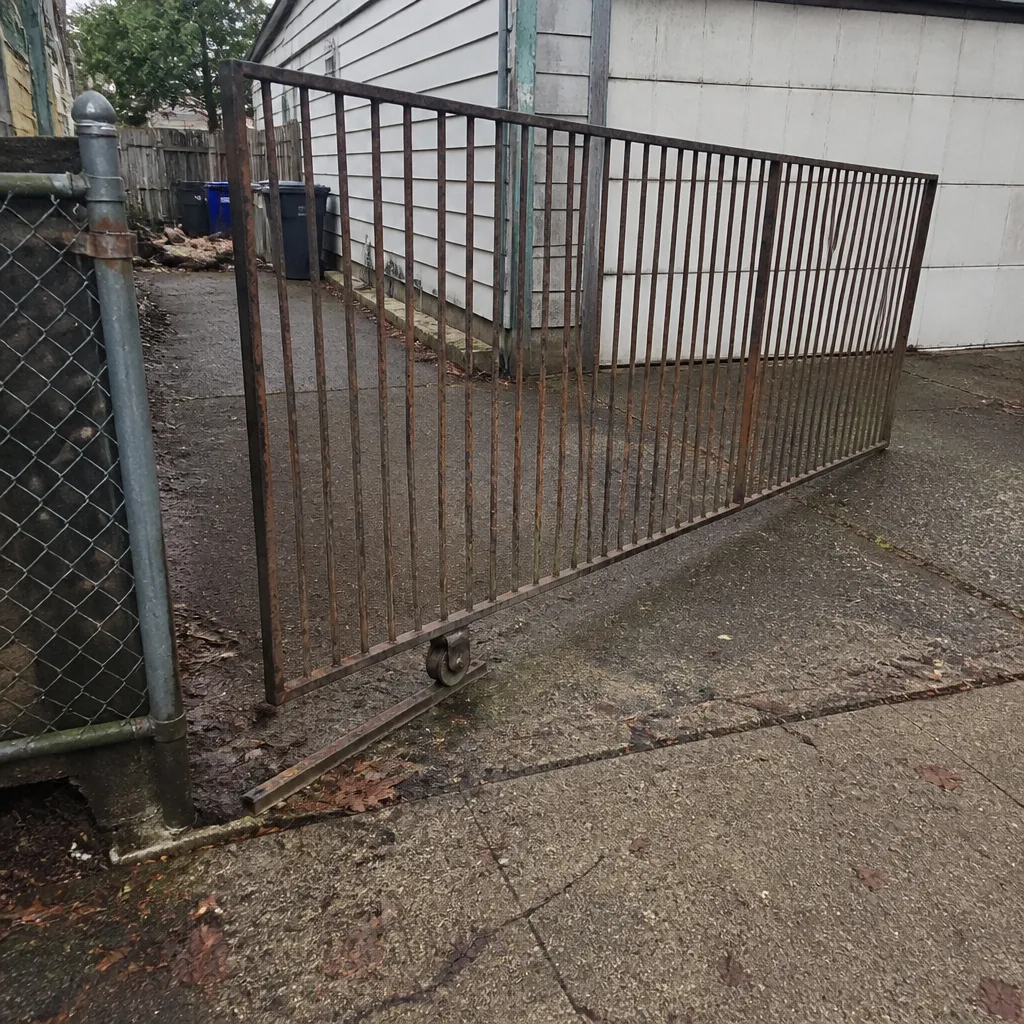
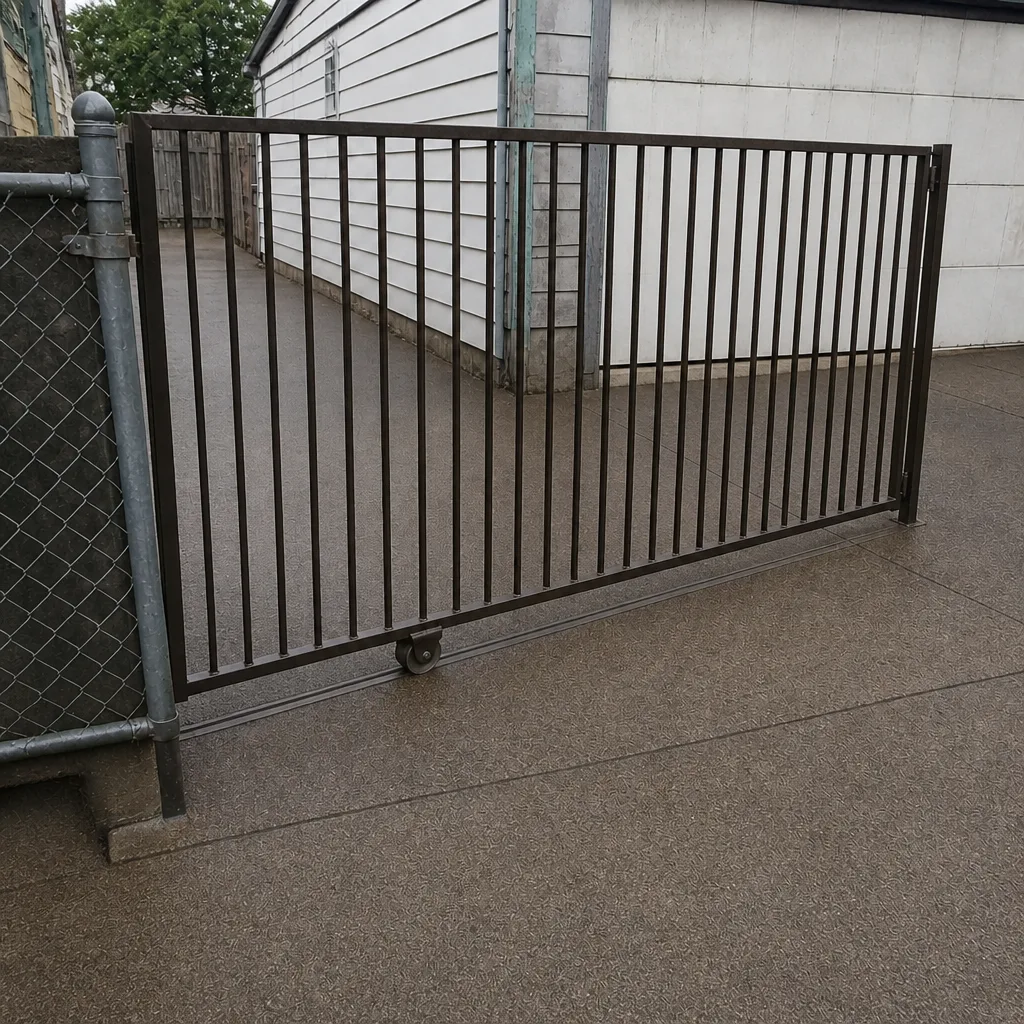
See the difference
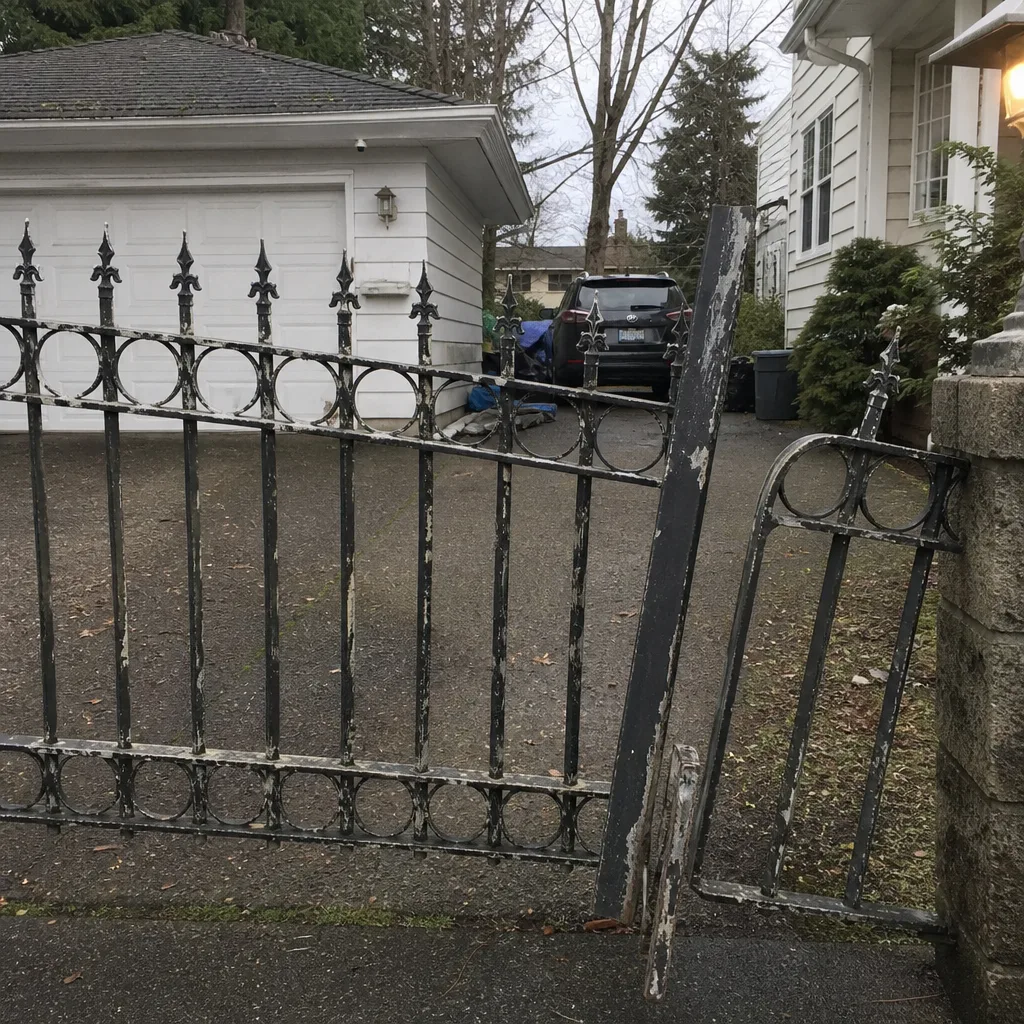 Before
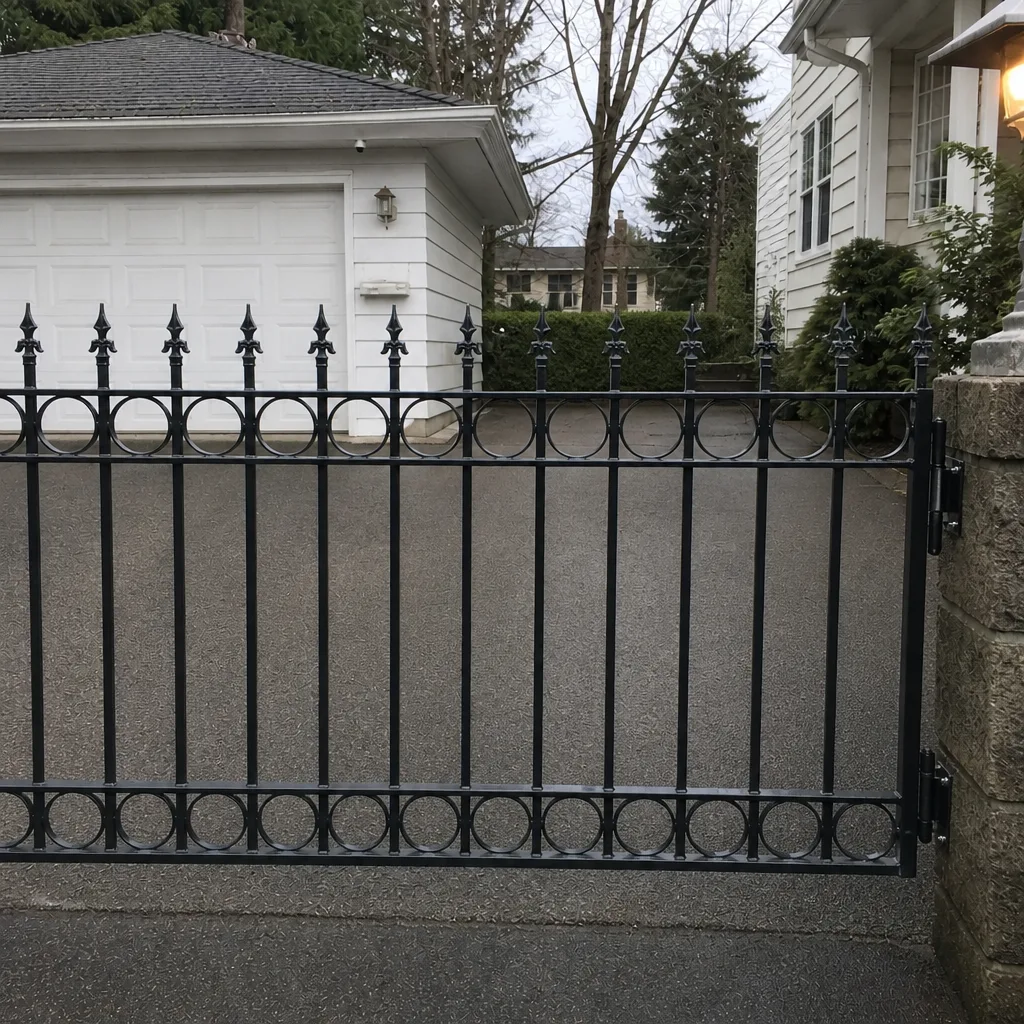 After
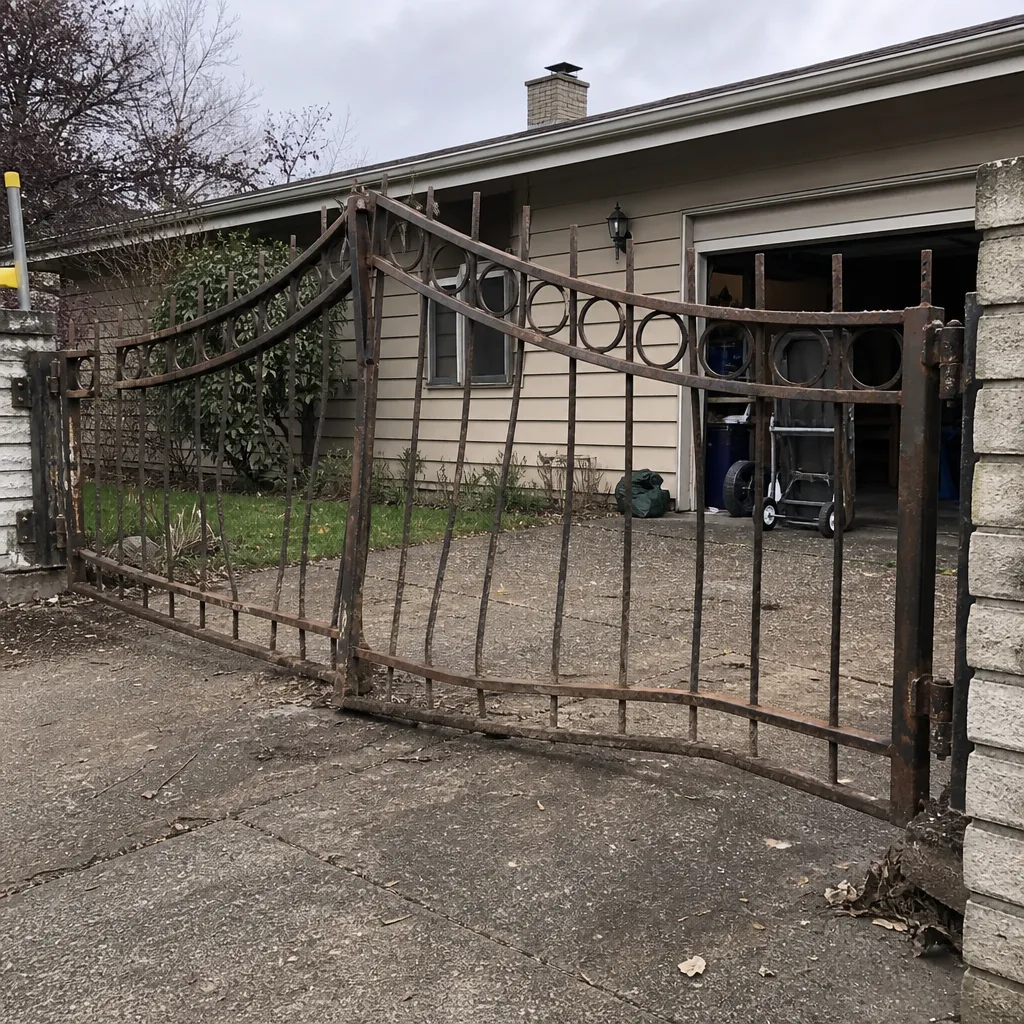 Before
 After
 Before
 After
When to Call a Professional
Call a trained gate technician – not a general handyman – when the work touches the operator’s electrical side, the safety devices, the control board, or the structural integrity of the gate itself. Entrapment protection wiring, low-voltage control, and motor replacement on a heavy automated gate carry real risk to the person working on them and to anyone in the path of the gate. A gate that has injured someone or failed an entrapment check needs professional attention, not a DIY fix.
For a free estimate on repair, electric gate repair, or new installation in Everett, call Gate Repair Everett at (844) 834-1197. We answer 24/7. Fast dispatch from 7am to 7pm, Sunday through Friday. Our technicians have up to experience across the brands you already own, from residential Ghost Controls units to commercial FAAC and BFT operators. We’ll tell you whether the job needs a permit, and we’ll quote the price before any work starts.
Frequently Asked Questions
No – repairing an existing gate’s operator, motor, circuit board, sensor, or control hardware does not require a building permit. A permit is triggered when the work becomes an installation or a structural modification: a whole new automated gate, a replacement gate leaf, changed footings or post locations, a changed opening, or the conversion of a manual gate to an automated one. Call (844) 834-1197 for a free estimate – we’ll tell you which category the work falls into.
Yes. UL 325 is the safety standard for automated gates, residential or commercial, and it requires entrapment protection devices – photo-eye sensors, edge sensors, or loop detectors, depending on the operator and gate type. A gate running with its safety devices bypassed or disconnected is not compliant. Call (844) 834-1197 if you’re not sure whether the protection on your gate is working.
It depends on the property’s location. Inside the Everett city limits, the City of Everett building department handles the permit and inspection. Outside city limits in unincorporated Snohomish County, the county handles it. A property in another incorporated city answers to that city. We confirm the jurisdiction before quoting any installation or structural work – call (844) 834-1197 to start.
The buyer’s home inspection will often flag a new or automated gate without a permit record, and some lenders require documentation before closing. The seller then has to reconstruct what was done and prove the gate is safe, which is harder when the original installer is unreachable. Having the permit and documentation in place at the time of install avoids the whole problem. Call (844) 834-1197 for a free estimate on a properly permitted install.
It can. If an automated gate injures someone and the entrapment protection can’t be documented as UL 325 compliant, liability exposure for the homeowner grows and the insurer will notice the lack of documentation. Coverage can be contested when a loss involves an installation that wasn’t done to standard. Call (844) 834-1197 to schedule an inspection of your gate’s safety devices and documentation.
An automated gate is not a do-it-yourself project, and not just because of the permit. The structural footing, the power supply to the operator, and the entrapment protection wiring all have safety implications for anyone near the gate, and mistakes show up only when the gate is in motion. A permitted professional installation documents the safety config and passes inspection – which is what protects the owner later. Call (844) 834-1197 for a free estimate.
The Bottom Line
The permit question isn’t a formality. In Everett, the difference between a repair and an installation determines whether the work needs a City of Everett or Snohomish County permit, and whether the gate’s entrapment protection gets documented. That documentation is what answers the questions during a home inspection, an HOA dispute, or an insurance claim – and it’s the thing an installer who skipped the permit can’t give you. If your work is a repair, no permit. If it’s an installation or structural modification, the permit is part of the job. Call (844) 834-1197 for a free estimate and we’ll tell you which category you’re in before anything gets touched.
Written by the team at Gate Repair Everett.